
When I wrote The Age of Influence, the definitive book on influencer marketing, a few years ago, the word “collaboration” was not commonly used in the industry. Many brands opted to treat influencers as programmable ad units, and terms and conditions were usually imposed on any influencer marketing campaigns being carried out. Fast forward to today, however, where brands have finally found that an actual mutually beneficial relationship improves the standing of both the brand and the influencer.
While influencer campaigns may have once been more about peddling products to influencers to turn around and hoc, the relationships between influencers and content creators have come to be known as influencer collaborations, to reflect the changing nature of the relationship, and the marketing goals that factor into any partnerships developed between these parties.
I have long said that influencer marketing is simultaneously one of the most powerful and least understood types of marketing. The secret to successfully developing relationships with influencers is truly developing a collaborative effort, which means establishing a mutually beneficial relationship.
Once you have a grasp of what influencers are and how to collaborate with them, these partnerships become a powerful tool to increase your reach, improve your credibility, and increase customer engagement. When you work with influencers who actually align with your brand values–and ideally have some brand affinity with which to work–you can tap into new target audiences and create deeper connections with your target market.
Here, I have put together the same advice for you that I would provide my Fractional CMO clients. I have included how I would set up effective influencer collaborations, along with best practices, key types of partnerships, and different real-life examples of successful influencer campaigns.
Key Takeaways
✅ A collaboration is a mutually beneficial relationship, not a media buy. When I wrote The Age of Influence, the industry still treated influencers as programmable ad units, and the brands that moved past that framing are the ones seeing results today.
✅ Fit beats follower count every time. Engagement rate, audience demographics, and values alignment tell you far more about a partnership’s odds than the size of the audience does.
✅ Five collaboration types cover almost every program: sponsored content, product reviews and unboxings, giveaways and contests, affiliate arrangements, and brand ambassadorships. Pick the one that matches your goal instead of defaulting to sponsored posts.
✅ Creative freedom is the highest-leverage thing you can give a partner. Influencers who write in their own voice produce content their audience actually responds to, which is the entire reason you hired them.
✅ Put expectations, deliverables, timelines, compensation, and FTC disclosure in writing before anything publishes. Almost every influencer relationship that goes sideways traces back to something that was assumed rather than agreed.
What Are Influencer Collaborations?
Influencer collaborations are strategic partnerships between a brand and an individual with a significant online presence in order to promote a product or a service. Remember that we are not merely looking at these collaborations from the perspective of follower count or metrics; instead, collaborations are best identified through the lens of which partnership will most benefit both parties.
To understand different collaboration opportunities, you must have a firm grasp on the different types of influencers available for collaboration. The commonly recognized influencer tiers run from nano-influencers and micro-influencers up through macro-influencers and celebrity influencers. Each tier draws in a different type of potential customer. All of them serve the same basic role in a collaborative project: content creation and reviews.
The Importance of Influencer Collaborations in Marketing
It was not too long ago that an ad meant paying high dollar to have your brand featured on a TV show, a billboard, on the radio, or in a print ad campaign. Now, however, a product launch and other brand events frequently rely on collaborations with influencers. These partnerships can enhance brand visibility, build trust with new, existing, and prospective customers, and increase conversions.
Although it may seem as though you have to use the most prolific and noticeable mega – influencers currently available to see success, popular influencers can be from a host of different backgrounds, with narrow audiences or wider audiences. The important thing to consider is how engaged their audience is, and how well aligned they are with your goals and intentions.

As the chart below indicates, influencer marketing is valuable in more ways than one. Influencer collaborations help increase social proof and develop stronger emotional ties with your target demographic. The return on investment (ROI) of influencer marketing shows promise, as well; as the chart below shows, influencer marketing ROI can be quite high.

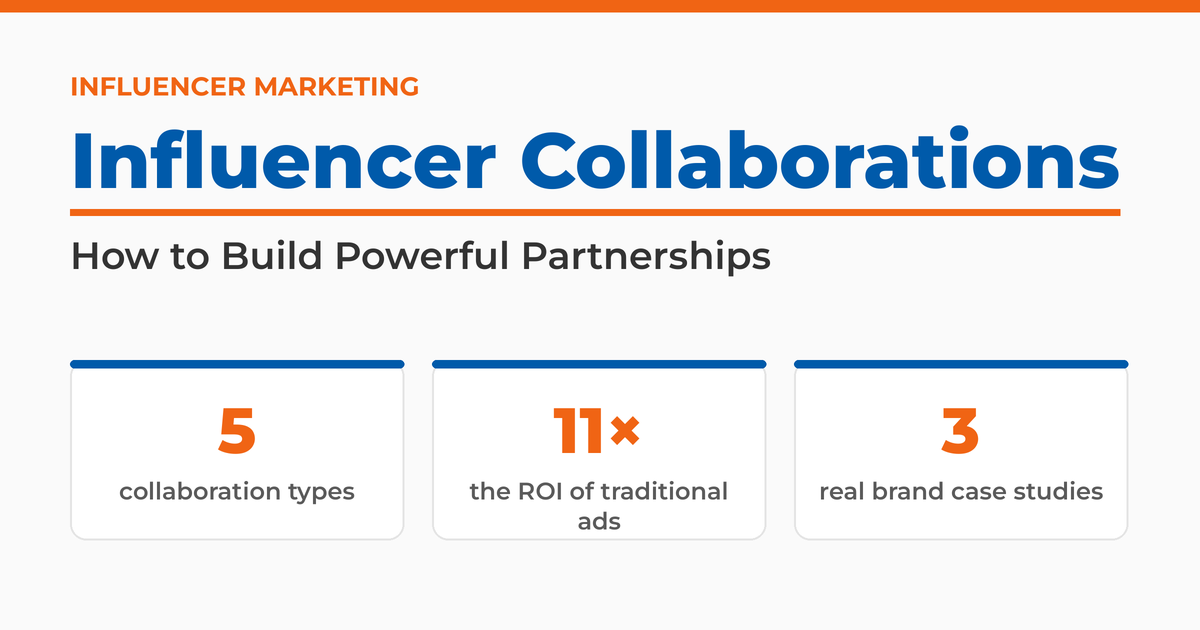
When compared to traditional advertising, the benefits of collaborations become even clearer. One study evaluated the difference between the long-term relationships found in influencer marketing versus traditional marketing types, and how those differences impact ROI. It found that traditional advertising may trigger 11 times less ROI than a collaboration with relevant influencers. That gap only shows up when you pick the right partners and approach them well, which starts with knowing how to find influencers who already fit your brand and then how to reach out to influencers without sounding like a form letter.
Types of Influencer Collaborations
As you can see, content creators play no small part in the success of influencer content, and that content can make a huge dent in your overall financial goals. Knowing what type of influencer collaboration is right for your business is another matter, however. I have identified the most common types of influencer collaborations below, to help illustrate the many ways that influencers can have a positive impact on your business. Up first: sponsored content.
Sponsored Content
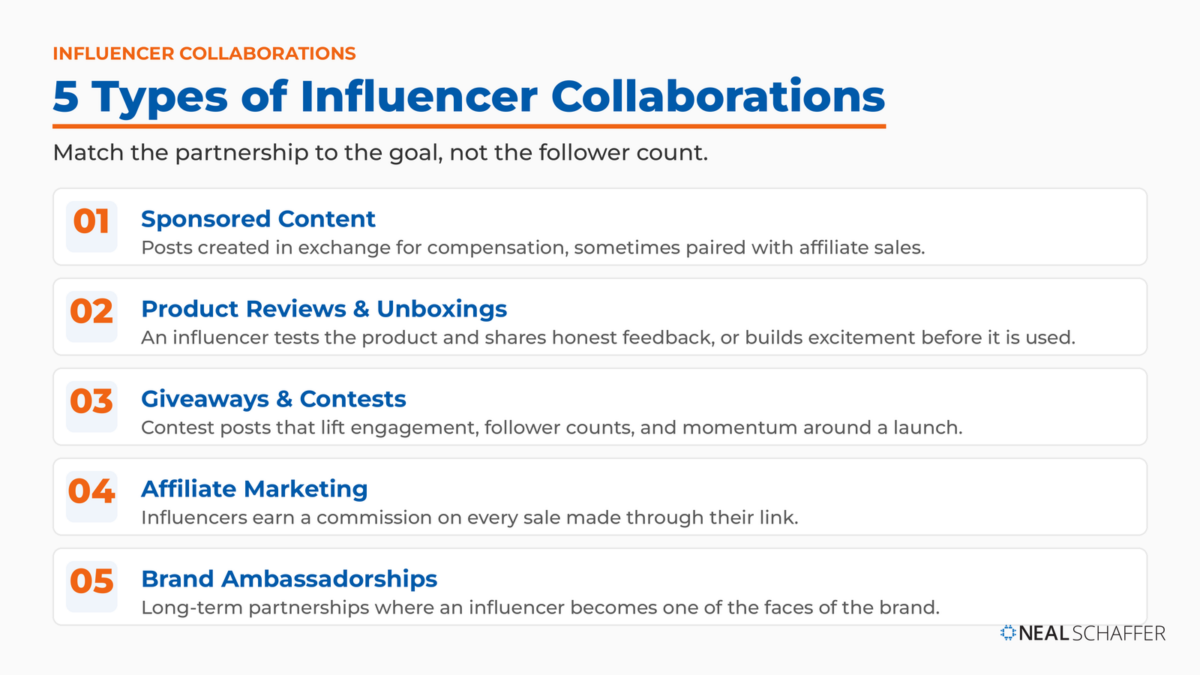
Influencers collaborating to create sponsored content create posts–videos, images, or blog posts–to promote a brand’s product or service. These posts are created in exchange for some form of compensation. The precise numbers involved in this type of influencer collaboration can vary, and can be accompanied by affiliate sales, or may come only with the agreed-upon posts.
Product Reviews/Unboxings
In this type of collaboration, relevant influencers test and then share their honest feedback with their audience. In a product review post, the influencer in question will utilize a product or service and report back. In an unboxing, the post is more about generating excitement and supporting branding efforts, as the product has not yet been used.
Giveaways/Contests
Giveaways and contests often result in product collaborations; in these posts, influencers forgo making authentic connections in favor of creating excitement about possibly winning a new product. These are commonly used during product launches, rebranding efforts, and moments of low engagement, as they help boost audience engagement, increase follower counts, and give marketing efforts a small leg up.
Affiliate Marketing
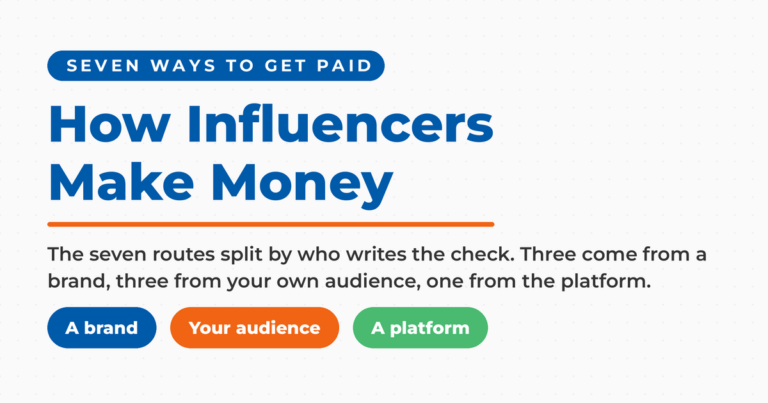
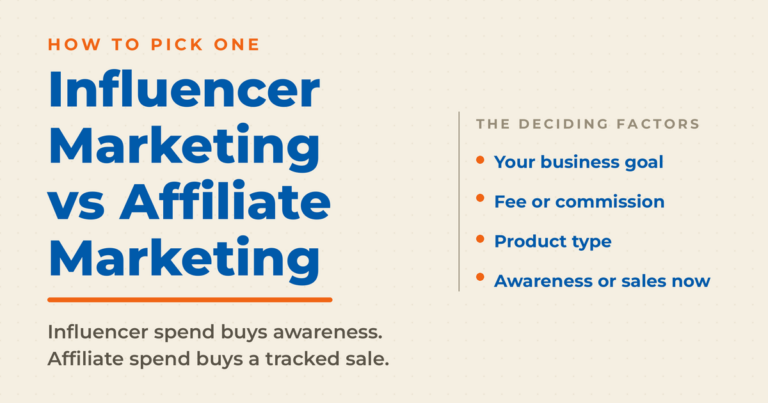
In affiliate marketing, influencers promote products and earn commissions on the sales made through their link. Collaborations of this sort can bring in a significant sum for both sides, because purchases follow the genuine connections influencers have already built with their audiences. The commission model is also where the line between the two disciplines gets blurry, so it helps to understand influencer marketing versus affiliate marketing before you structure the deal. It is worth knowing how influencers make money across all of their revenue streams, too, since that shapes what they will say yes to.
Brand Ambassadorships
Brand ambassadorships are long-term partnerships. In these partnerships, influencers represent a brand over a dedicated period of time and create multiple pieces of content for the brand, essentially becoming one of the faces of the brand. This is one of the oldest marketing strategies around for influencers, and with good reason: establishing a long-term partnership with influencers can also mean developing loyal customers over that same amount of time.
How to Choose the Right Influencers for Collaborations
Nothing can sour the metaphorical stomach of a brand faster than partnering with the wrong influencers. When you develop social media campaigns in partnership with an influencer, it is important to seek out authentic partnerships that can work well for both parties for an extended period. How do you make sure that your social media influencers are right for you?
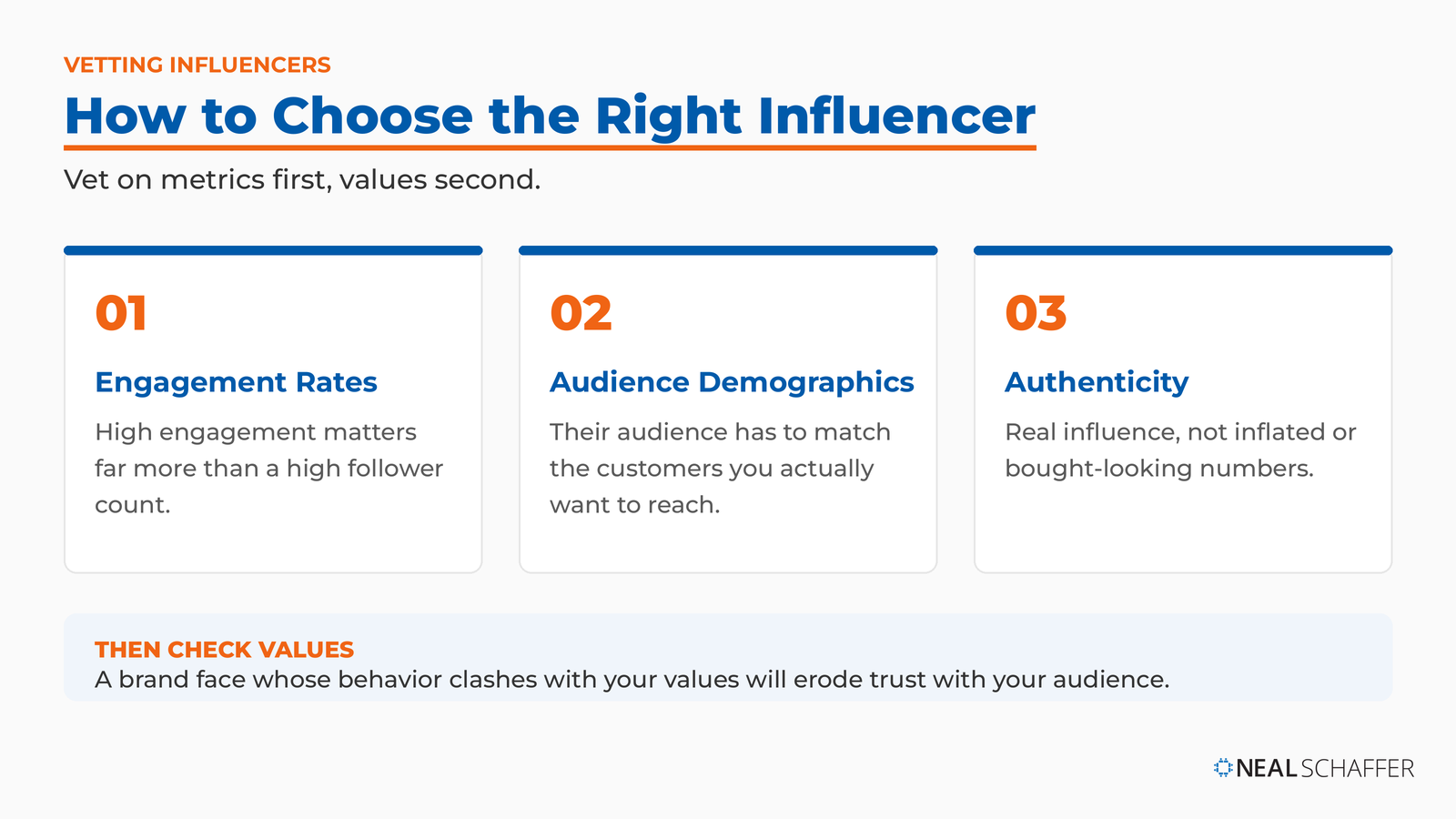
The first step in finding influencers who will partner well with your brand is analyzing important metrics. The most important metrics to look into include engagement rates, audience demographics, and authenticity. All of the effective strategies for marketing in the world will not matter if you develop partnerships with influencers who do not have high engagement rates or the right audience demographics.
Once you have identified ideal metrics, take a closer look at an influencer’s values and goals. Long-term partnerships do effectively act as the face of your brand. If you have a brand “face” who goes against the values you claim, that will erode trust with your audience. Make sure that your influencer program only enlists influencers whose behavior and values reflect your own.
Make LinkedIn Your Best Source of Clients
My latest book helps professionals, entrepreneurs, and business owners turn LinkedIn from a static profile into a real source of clients and growth.
Maximizing LinkedIn for Business Growth gives you clear, practical steps to build a profile that gets noticed and a network that actually sends business your way.
Grab your copy on Amazon and put it to work this week. Click the cover or the button below to get started.

Best Practices for Influencer Collaborations
Partnerships with influencers can be an incredible boon to your business, but they can also be problematic if they are not established and completed correctly. I have put together a series of best practices to follow to put together a successful influencer campaign, including setting clear expectations, maintaining communication, and more.
First up: make sure you set clear expectations.
Set Clear Expectations
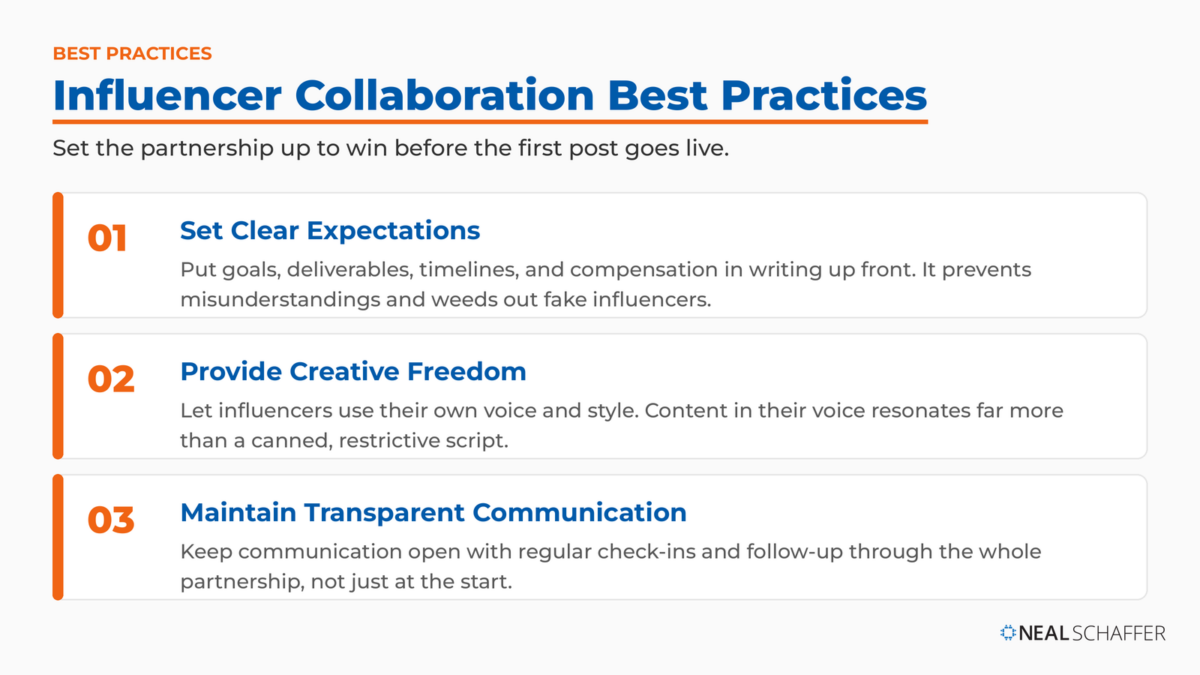
Clear communication is vital when working with influencers, so make sure that all goals, deliverables, timelines, and compensation decisions are shared upfront. Having these items written down and easily discoverable will help prevent any misunderstandings or issues with influencers. It will also help weed out fake influencers; if you do not deliver compensation until the deliverables have been posted, you cannot get “taken” by influencers who do not actually deliver.
As you set clear expectations, examine the expectations of the influencers, as well. Most influencers have a media kit that details their own set of expectations, so be sure to read through any media kit information available prior to signing agreements.
Provide Creative Freedom
Creative freedom is one of the many benefits of influencer collaboration, so make sure you let your influencers exercise that freedom. Influencers who are able to use their unique voice and style are better able to create content that truly resonates with their audience. A collaboration with influencers who are given creative freedom is more likely to make an impact than a canned or restrictive series of rules. Provided that your influencer partner knows the parameters you created, creative license is more likely to do well for both parties.
Maintain Transparent Communication
Maintain open communication through your collaboration to ensure a smooth collaborative process. Although we have covered the value of setting clear expectations at the outset of your partnership, regular collaborations, and follow-up are both important to make sure both you and the influencer with whom you are working are satisfied with the partnership.
Legal Considerations for Influencer Collaborations
Legal guidelines are extremely important to follow when you are collaborating with influencers. Current rules and FTC guidelines dictate that influencers clearly and openly disclose when a post is sponsored. This does not have to be done with a great deal of fanfare; instead, your influencer needs to make sure that they mention that a post is sponsored, or is acting as an advertisement. A simple “sponsored” hashtag and verbal mention are enough, provided that it is easy to see or hear.
Legal requirements also make sure that influencers are not inaccurately depicting their experience. If an influencer uses a product and does not like it, claiming otherwise violates the guidelines. A “review” of a product that was never used is a violation as well. Influencers also cannot make claims about the safety or efficacy of a product. I walk through what disclosure actually looks like in practice in my breakdown of the FTC influencer guidelines, and the cleanest way to make all of this enforceable is to put it in writing with an influencer contract before any content goes live.
Tracking the Success of Influencer Collaborations
Just as you keep track of your own social media efforts, it is wise to keep tabs on the performance of your collaborations. The KPIs worth tracking include engagement rates, impressions, conversions, and influencer marketing ROI. Google Analytics handles most of this, alongside the native analytics on each platform you and your influencer partner are posting to. Dedicated influencer marketing tools will do the heavy lifting once you are running more than one campaign at a time. If you want a sense of where your numbers should land, the influencer marketing statistics I track give you a benchmark to measure against.
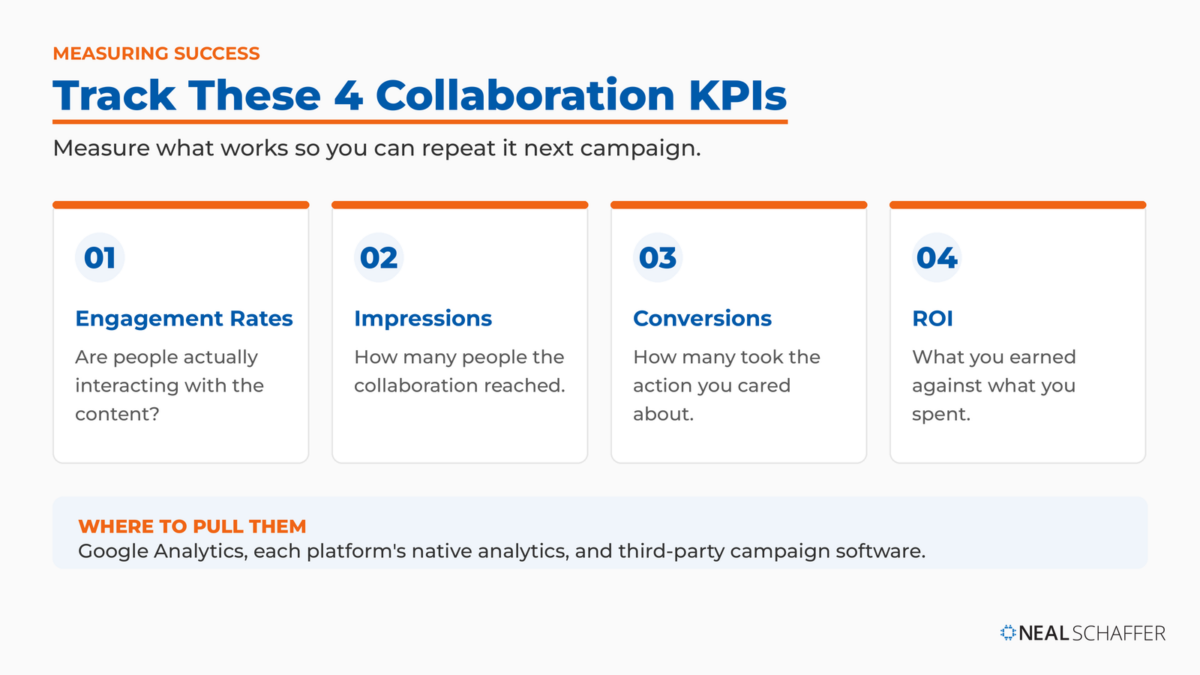
Tracking these metrics during a collaboration with influencer marketers is invaluable, because it lets both you and the influencer know what does and does not work in a partnership. You can then take that information and apply it to the existing campaign and any future campaigns you create.
Examples of Successful Influencer Collaborations
If you have cruised through a social platform, the likelihood is high that you have encountered influencer marketing–even if you were not fully aware of it. The practice is ubiquitous in today’s world, so keeping an eye out for different, effective influencer marketing campaigns is not typically difficult. That being said, some campaigns are particularly effective in the influencer marketing realm. These include:
Gymshark

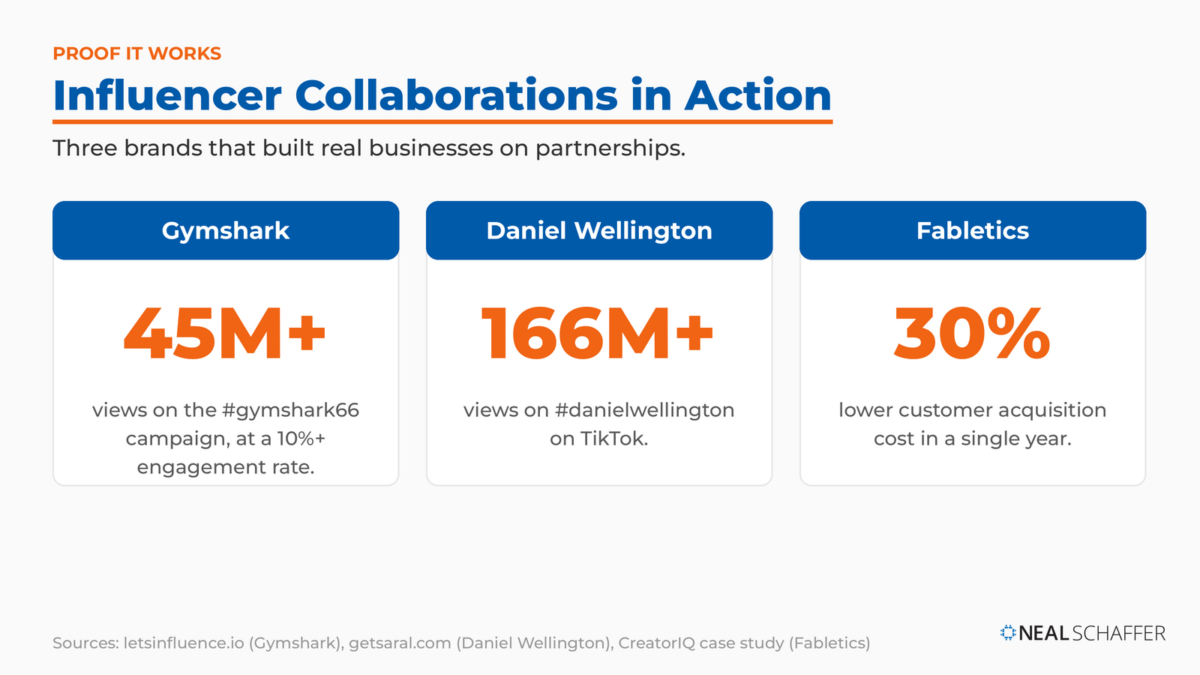
Gymshark utilizes influencer marketing all over, branching out from social platforms to featuring actual profiles of notorious athletes on their site. The ability of Gymshark to bridge the gap from social profiles to their landing page is great, and the long-term partnerships they create with athletes and influencers help build trust with their audience. One campaign, 60 Days | Change Your Life, used the branded hashtag “#gymshark66” to help encourage user generated content alongside influencer content. The campaign brought in over 45 million views, and had more than a 10% engagement rate.
Daniel Wellington

Daniel Wellington was one of the first brands to truly thrive with influencer marketing, relying on it almost exclusively to reach new audiences. The campaigns were simple and straightforward, and they sold the brand as a lifestyle rather than a watch. Starting with nano-influencers to generate content and moving to larger names later allowed the brand to save money while making a huge impact, one that has led to over 166 million views on TikTok. I have collected more of these teardowns in my roundup of influencer marketing examples if you want additional patterns to borrow from.
Fabletics

Fabletics is a company that was built in part on the notoriety of its celebrity founder. Further capitalizing on influential people, Fabletics has long used influencer marketing to promote its products. One year, Fabletics reported a 30% decrease in customer acquisition costs, directly attributed to its influencer marketing efforts.
Frequently Asked Questions
A sponsored post is a single transaction: you pay, they publish, the campaign ends. A collaboration is the ongoing relationship the post sits inside, where both sides shape the creative and both sides get something durable out of it. Most sponsored posts are one piece of a collaboration, not a substitute for one.
Rates vary widely by tier, platform, deliverable count, and usage rights, so there is no single number worth quoting. Ask for the influencer’s rate card and their media kit early in the conversation, then price the deliverables against what comparable content would cost you to produce in-house.
Yes. FTC rules require a clear, conspicuous disclosure any time there is a material connection between the brand and the creator, including free product. A “#sponsored” tag plus a verbal mention in video content satisfies the requirement as long as it is easy to see or hear.
Longer than one post, in almost every case. Ambassadorships and repeat collaborations let the influencer build real fluency with your product, and repeated exposure does more for audience trust than a single appearance ever will. Start with a short test campaign, then extend with the partners whose numbers hold up.
Yes, and nano and micro-influencers are where most small brands should start. Their rates are lower, their engagement rates are often higher, and many will collaborate for product plus a modest fee. Daniel Wellington built its entire program on exactly that approach before moving to larger names.
Conclusion
Influencer collaborations have grown and evolved, and have become one of the most impactful ways to connect with an audience. The organic nature of influencer collaborations engage your audience and lend an air of authenticity that few other mediums are able to match. Understanding different types of collaborations, influencer marketing best practices, and effective ways to measure success will help you build powerful partnerships that can continue to drive growth for your brand over the long-term.
Using the steps I have outlined above, start exploring the potential of influencer collaborations today to witness the growth of your business and, ultimately, your influence.