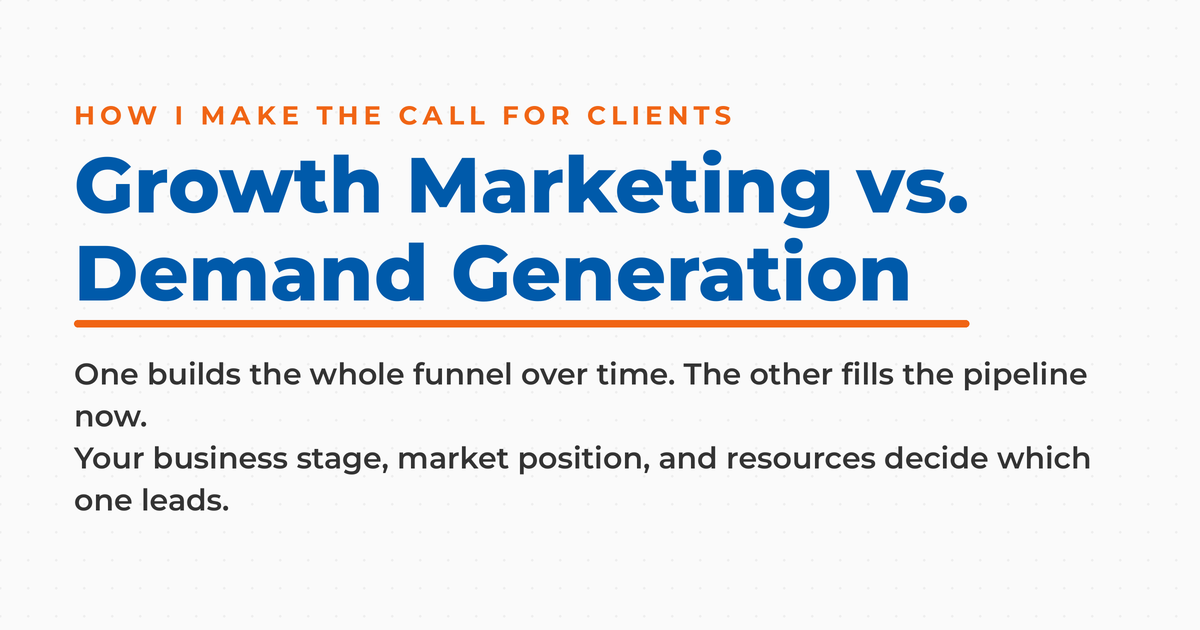

Choosing between growth marketing and demand generation can feel like navigating a marketing maze. This decision, while tactical, shapes your future success and determines how your brand will grow, both short-term and long-term.
As a Fractional CMO who has sat on both sides of this decision with clients, I can tell you that most teams do not actually have a strategy problem here. They have a definition problem. They call everything “growth” and then wonder why the pipeline is thin.
Key Takeaways
✅ Growth marketing owns the full funnel. Demand generation owns the top of it. Growth marketing optimizes everything from acquisition through retention and referral, while demand generation exists to create awareness and fill the pipeline.
✅ The real difference is the time horizon. Demand generation is built for this quarter. Growth marketing is built for the next few years, and the metrics you reward need to match.
✅ Your business stage should make the call. Startups and new market entrants almost always need demand generation first. Established businesses with a customer base worth expanding get more from growth marketing.
✅ The tech stacks are not interchangeable. Growth marketing runs on analytics and CRM. Demand generation runs on marketing automation and lead management.
✅ Most companies end up running both. The hybrid works when goals are aligned, teams are coordinated, and data flows between the two. It fails when they operate in silos with separate scoreboards.
Understanding the Fundamentals
Growth marketing and demand generation are two distinct marketing strategies that serve different purposes in your overall business strategy. Let’s break down what each approach entails before diving deeper into their specific applications.
What is Growth Marketing?
Growth marketing is a comprehensive, data-driven approach that focuses on sustainable, long-term business growth. Core objectives of growth marketing include:
- Maximizing customer lifetime value
- Reducing churn rates
- Optimizing conversion rates across the entire funnel
- Building sustainable growth mechanisms
What is Demand Generation?
Demand generation, on the other hand, is focused on creating immediate awareness and interest in your products or services. This approach is particularly effective when you need to generate quick results in your marketing funnel. The buyers who respond first to that awareness push are rarely the mainstream market. They are the early adopter segment that tries new products before the rest of the category catches on.

Key objectives of demand generation:
- Creating immediate market awareness
- Generating qualified leads
- Building a short-term sales pipeline
- Driving immediate interest in products or services
“Growth marketing relies on continuous testing and optimization across different channels, while demand generation focuses on creating structured campaigns that drive immediate interest and sales.” – Intelemark Research
The fundamental difference lies in their time horizons and approach to customer relationships:
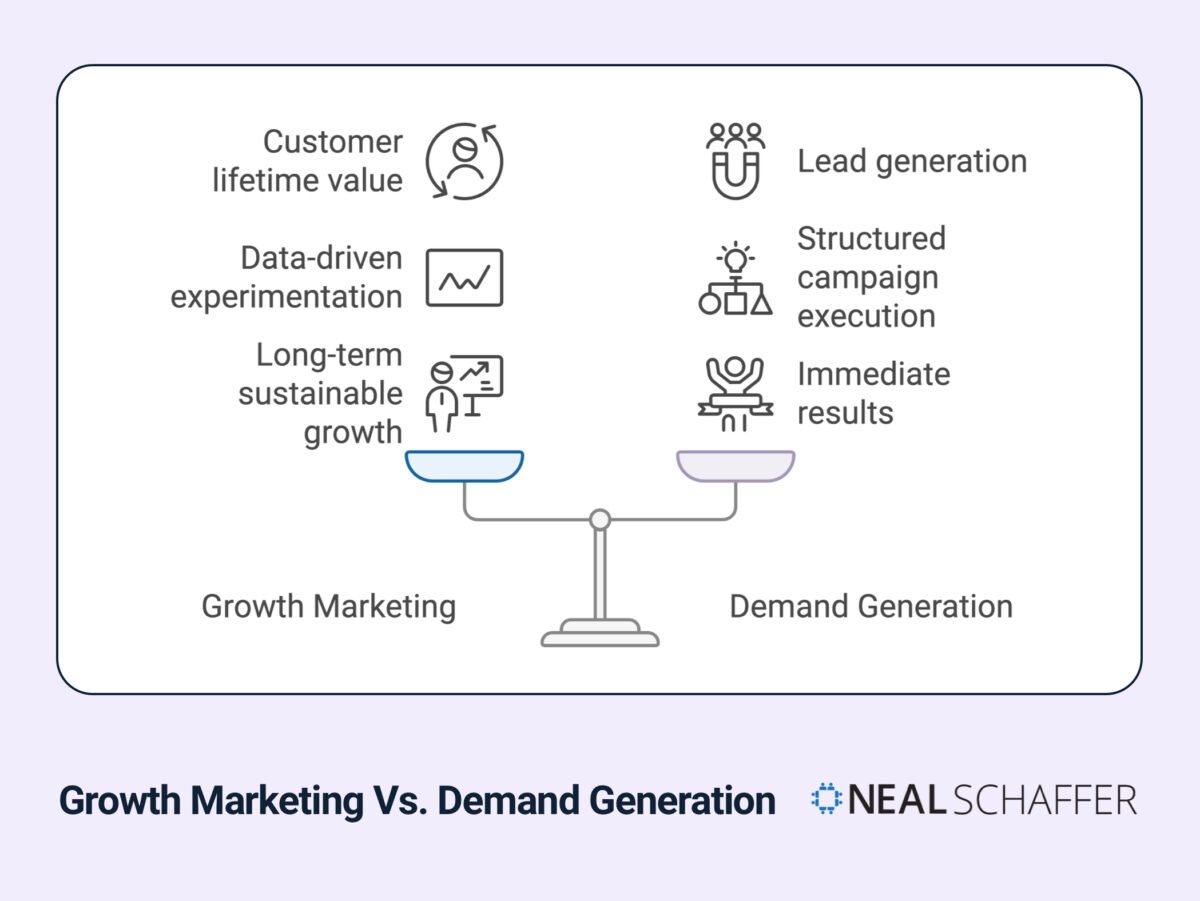
Growth Marketing: Long-term, full-funnel approach, focused on customer lifetime value and retention.
Demand Generation: Short-term, focused on creating immediate awareness and generating qualified leads.
Understanding these basic differences is crucial for deciding which approach might better serve your business needs. To implement either strategy effectively, you’ll need the right set of digital marketing tools and a clear understanding of your business objectives.
Growth Marketing: A Full-Funnel Approach
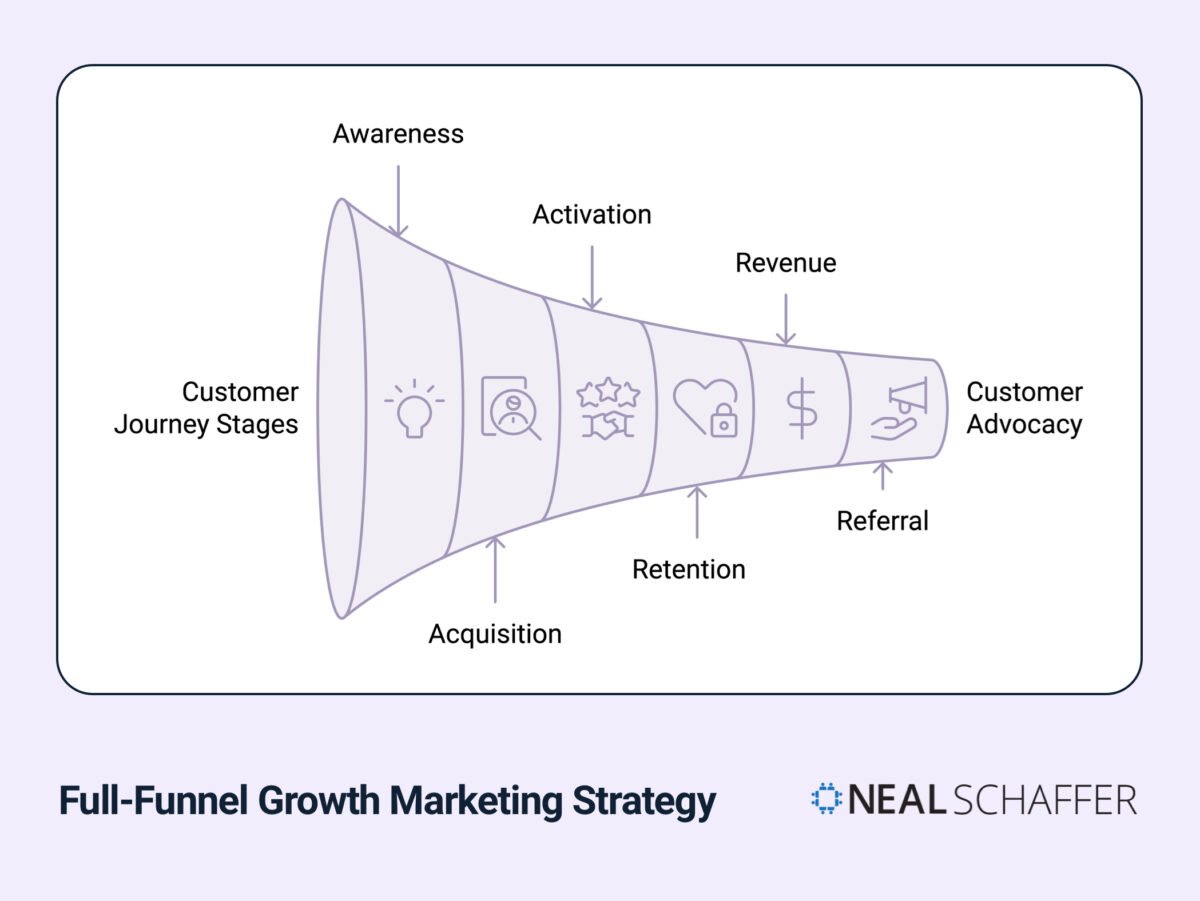
Growth marketing covers the entire customer journey, from awareness to advocacy. It involves:
- Awareness: Data-driven content strategy and channel optimization.
- Acquisition: Continuous testing and optimization.
- Activation: Enhancing the customer experience from the start.
- Retention & Revenue: Strengthening loyalty and maximizing lifetime value.
- Referral: Creating advocacy and turning customers into brand champions.
Data-Driven Strategy
The cornerstone of growth marketing is its reliance on data to drive decision-making. Successful growth marketing leverages data analysis to identify opportunities across the entire customer journey, which means your choice of marketing analytics tools effectively sets the ceiling on what you are able to optimize. This involves:
- A/B testing of marketing campaigns
- Customer behavior analysis
- Conversion rate optimization
- Performance metric tracking
Customer Expansion Focus
Growth marketing places significant emphasis on expanding relationships with existing customers. This strategy recognizes that it’s often more cost-effective to retain and grow existing customer relationships than to acquire new ones. Key tactics include:
- Personalized upselling strategies
- Customer success programs
- Loyalty initiatives
- Referral marketing programs
Scalability and Optimization
Growth marketing often involves agile, experimental campaigns that are quickly iterated based on data-driven insights. This approach allows marketers to rapidly adapt to market changes and optimize successful tactics for scalability. That rapid-experiment posture is where growth hacking came from, and the tactics it produced still sit inside most growth marketing programs even when nobody uses the label anymore.
The scalability aspect involves:
- Automated marketing processes
- Repeatable success frameworks
- Systematic testing procedures
- Scalable technology infrastructure
To implement growth marketing effectively, you need to stay current with the latest content marketing statistics and trends while maintaining a focus on long-term sustainable growth. This approach requires patience and commitment but typically yields more sustainable results over time.
Demand Generation: Immediate Impact
Looking for fast results? Demand generation helps you drive immediate interest and fill your sales pipeline quickly.
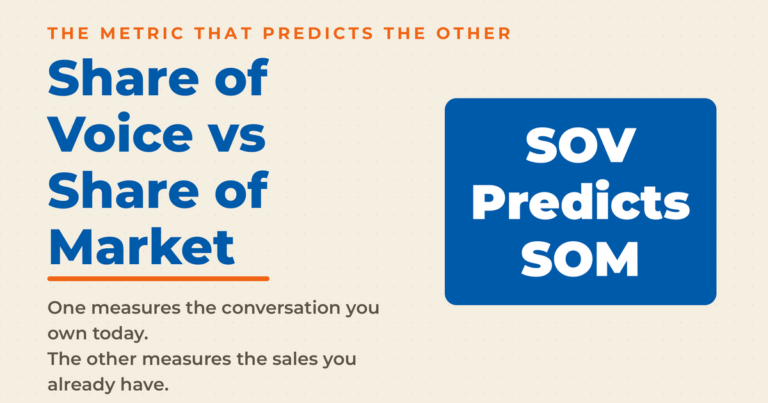
While growth marketing focuses on the long game, demand generation is all about creating immediate interest and driving quick results. This approach is particularly effective when you need to build brand awareness quickly and fill your sales pipeline. The awareness half of that job shows up in the numbers before the pipeline half does. Excess share of voice measures that gap, and it is just your share of the category conversation minus your share of its sales.
Lead Generation and Content Marketing
Demand generation excels at generating high-quality leads through targeted content marketing and multi-channel strategies. The goal is to attract, educate, and nurture leads until they’re ready for the next step in the sales process. Key components of effective demand generation include:
- Targeting Ideal Customer Profiles: Tailor your content to engage the right audience by identifying their needs and pain points.
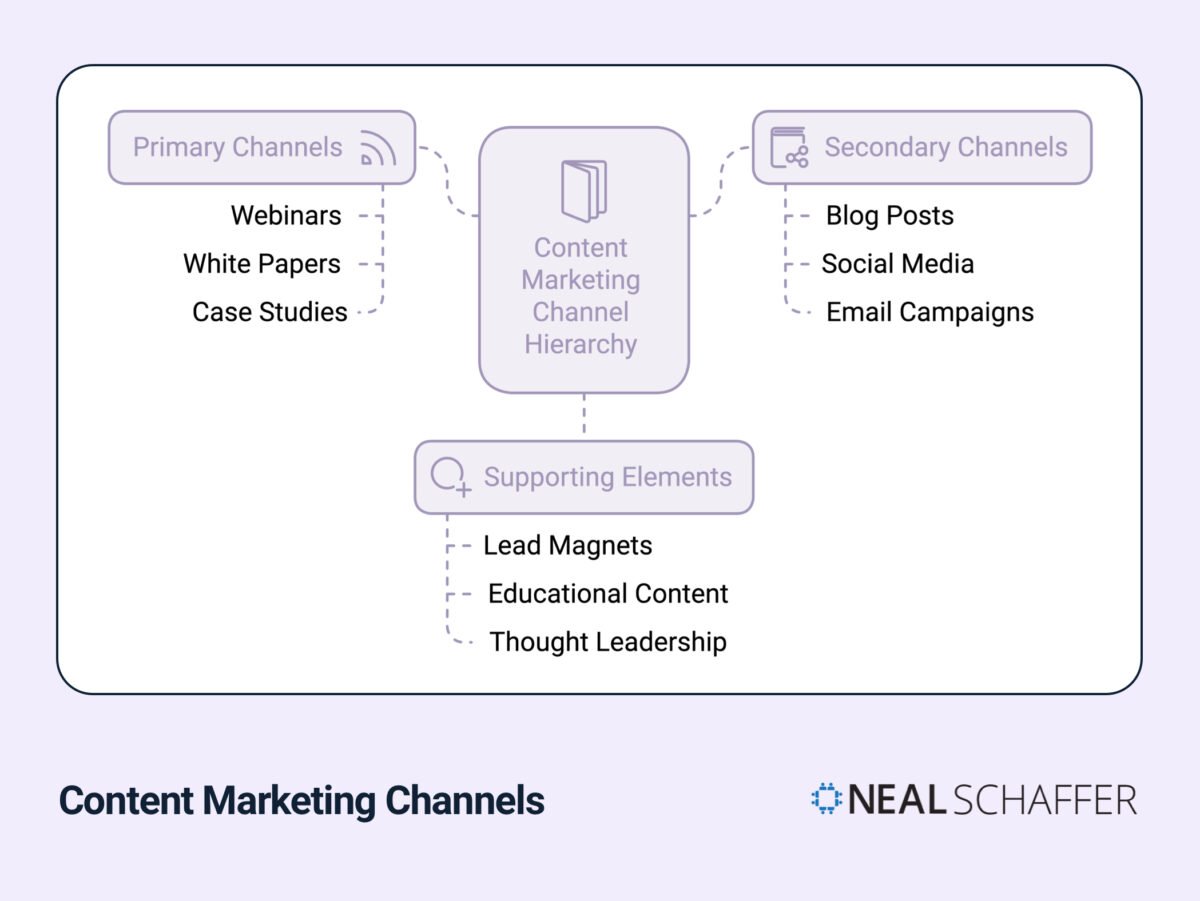
- Compelling Lead Magnets: Use valuable resources like webinars, white papers, and blog posts to generate interest and build trust.
- Lead Qualification Systems: Implement lead scoring and marketing automation to identify and prioritize the most qualified leads.
- Multi-Channel Engagement: Leverage email campaigns, social media, paid advertising, and industry events to reach prospects at various touchpoints.
Effective demand generation is about building relationships, educating prospects, and positioning your brand as a trusted resource. Where demand generation warms an audience up, direct response campaigns ask that same audience to act now, and most programs perform best when they plan for both.
Make LinkedIn Your Best Source of Clients
My latest book helps professionals, entrepreneurs, and business owners turn LinkedIn from a static profile into a real source of clients and growth.
Maximizing LinkedIn for Business Growth gives you clear, practical steps to build a profile that gets noticed and a network that actually sends business your way.
Grab your copy on Amazon and put it to work this week. Click the cover or the button below to get started.

Immediate Results Focus
Unlike growth marketing’s long-term approach, demand generation focuses on:
- Quick lead generation
- Rapid pipeline building
- Immediate sales opportunities
- Short-term revenue impact
Key Differences and Strategic Implications
Understanding the fundamental differences between growth marketing and demand generation is crucial for making informed strategic decisions. Let’s break down these differences and their implications for your business strategy.
Core Strategic Differences
| Aspect | Growth Marketing | Demand Generation |
| Primary Focus | Full-funnel optimization | Top-of-funnel acquisition |
| Time Horizon | Long-term sustainable growth | Immediate results and pipeline |
| Methodology | Data-driven experimentation | Structured campaign execution |
| Success Metrics | Customer lifetime value, retention | Lead generation, conversion rates |
Key Considerations for Implementation
The choice between these approaches significantly impacts your resource allocation and required capabilities.
Growth marketing requires strong analytics and long-term resource allocation, while demand generation focuses on content creation and marketing automation.
Impact on Organization & Implementation Considerations
Choosing between growth marketing and demand generation (or a hybrid approach) significantly impacts your organization’s structure, resources, and overall execution. It’s crucial to consider how each strategy will affect your team, budget, and performance measurement to ensure successful implementation.
Key Considerations for Successful Implementation
Choosing between growth marketing and demand generation impacts your organization’s resources, team roles, and execution. Here are the key factors to keep in mind:
- Team Structure: Growth marketing requires cross-functional collaboration and data-driven decision-making, while demand generation leans on content creators and sales-marketing alignment.
- Budget: Growth marketing demands long-term investment in testing and optimization. Demand generation requires quick budget allocation for lead generation and paid campaigns.
- Technology Stack: Growth marketing relies on analytics and CRM systems, while demand generation needs marketing automation tools to score, route, and nurture leads at volume.
- Metrics: Growth marketing measures customer lifetime value and retention, whereas demand generation tracks lead generation and conversion rates.
By evaluating these considerations, you can align resources and choose the right strategy for your business.
Key Steps to Ensure Successful Implementation
- Assess Current Capabilities: Before diving into either strategy, evaluate your existing resources, technology stack, and team skills to determine which approach (or combination) is best suited for your business.
- Align Team Goals: Ensure that everyone—from content creators to marketers to sales teams—understands the objectives and is working toward the same goals, whether short-term (demand generation) or long-term (growth marketing).
- Set Clear Metrics: Define the KPIs that will measure success for your chosen approach. For growth marketing, focus on long-term metrics like retention; for demand generation, focus on lead quality and conversion.
- Invest in the Right Tools: Invest in the marketing technologies that best support your strategy, whether that’s advanced analytics for growth marketing or marketing automation and lead management tools for demand generation.
- Regularly Review and Adjust: Both approaches require regular monitoring and adjustments. Growth marketing is a long-term commitment, but demand generation requires rapid iteration and real-time optimization. Ensure flexibility and adaptability in your execution.
By considering these factors, you can implement a marketing strategy that not only aligns with your business goals but also ensures effective resource allocation and team collaboration.
Making the Right Choice for Your Business
To choose the right strategy, assess your business’s current stage, market position, and resource availability:
- Business Stage: Startups benefit from demand generation’s quick results. Established businesses are suited for growth marketing’s long-term focus. Scale-ups may need a hybrid approach for sustainable growth.
- Market Position: New entrants should prioritize demand generation to build brand awareness, while market leaders can focus on growth marketing for customer retention and lifetime value.
- Resources: Limited resources favor demand generation for its immediate impact, while scalable resources can support the long-term needs of growth marketing.
Implementation Considerations
Once you’ve made your choice, consider these implementation factors:
- Timeline: Set realistic expectations for results
- Training Needs: Identify skill gaps and training requirements
- Technology Stack: Assess and acquire necessary tools
- Performance Metrics: Establish clear success metrics
- Review Process: Create a framework for strategy evaluation
Remember that your choice isn’t permanent – as your business evolves, your marketing strategy should adapt accordingly.
Integration Strategies: Combining Growth Marketing and Demand Generation
A hybrid strategy combines the strengths of growth marketing and demand generation, allowing for both short-term wins and long-term growth. Here’s how to create an integrated approach:
Key Benefits of Integration
- Achieve balanced short-term and long-term results.
- Enhance resource utilization and improve customer journey coverage.
- Increase flexibility and adaptability to market changes.
How to Integrate Both Approaches
- Align Goals: Ensure both strategies are aligned to support overlapping objectives. Growth marketing nurtures leads generated by demand generation.
- Leverage Technology: Use marketing automation, CRM systems, and analytics tools to track, optimize, and measure performance across both strategies.
- Coordinate Teams: Foster collaboration between marketing, sales, and customer success teams to ensure smooth execution.
Successful integration requires continuous optimization. Regularly review performance data, adjust tactics, and ensure both strategies are aligned for maximum impact.
Technology Requirements for Integration
Both strategies require the right tools to succeed. Growth marketing typically needs analytics and CRM systems, while demand generation benefits from automation platforms and content management systems. The goal is to use tools that streamline lead nurturing, conversion tracking, and performance analysis for both strategies.
Overcoming Common Integration Challenges
- Resource Allocation: Balancing investment in short-term campaigns with long-term growth initiatives requires clear planning and allocation. Focus on key areas that drive the most value for your business.
- Team Coordination: Align sales, marketing, and customer success teams by fostering collaboration and communication. Cross-functional meetings and shared tools can help keep everyone on the same page.
- Data Integration: Ensure that your data tracking and reporting systems are integrated across both strategies to maintain consistency and avoid siloed data. This will help in making data-driven decisions that benefit both immediate and long-term objectives.
Integrating growth marketing and demand generation creates a powerful hybrid strategy that maximizes both immediate results and long-term growth. By aligning your goals, leveraging technology, and continuously optimizing campaigns, you can build a comprehensive marketing ecosystem that delivers a seamless, full-funnel experience for your prospects and customers.
Measuring Success: Tracking the Impact of Your Strategy
To ensure that both growth marketing and demand generation are working effectively, it’s crucial to measure the right metrics. These will help you track the success of each strategy and make data-driven decisions to optimize performance.
Key Performance Indicators (KPIs)
Growth Marketing KPIs:
- Customer Lifetime Value (CLV): Measure the long-term value of each customer.
- Churn Rate: Track the percentage of customers who stop using your product or service.
- Retention Rate: Measure how well you’re keeping customers over time.
- Conversion Rates: Track how many prospects convert into customers.
Demand Generation KPIs:
- Lead Quality Score: Evaluate the quality of leads generated through your campaigns.
- Conversion Rate: Measure the effectiveness of turning leads into customers.
- Cost Per Lead (CPL): Track how much you’re spending to generate a lead.
- Pipeline Value: Assess the potential revenue from leads generated.
Tracking Methods
- Attribution Modeling: Understand which touchpoints in the customer journey are driving conversions.
- ROI Analysis: Measure the return on investment for both short-term campaigns (demand generation) and long-term efforts (growth marketing).
Setting SMART Goals
To track success effectively:
- Define clear, measurable goals for both strategies (e.g., increase CLV by 10% or generate 500 qualified leads per quarter).
- Set timelines to review performance regularly, and adjust tactics as needed.
By regularly measuring the right KPIs, you can ensure your marketing strategy is on track and continuously improving, driving both short-term and long-term success.
Frequently Asked Questions About Growth Marketing vs. Demand Generation
Growth marketing is a full-funnel, data-driven approach that optimizes the entire customer lifecycle, from acquisition through retention and referral. Demand generation is a top-of-funnel strategy focused on creating awareness and generating qualified leads. The difference comes down to funnel coverage, time horizon, and what you measure.
In practice, yes. Demand generation covers the awareness and acquisition stages that growth marketing also includes, so many teams treat demand gen as one component of a broader growth program. The distinction still matters when you set goals, because demand gen is judged on lead volume and quality while growth marketing is judged on lifetime value and retention.
Demand generation, in most cases. A startup needs awareness and pipeline before it has a customer base worth retaining or expanding, and demand gen delivers faster, more visible results. Once you have repeat customers and enough data to learn from, growth marketing becomes the higher-leverage investment.
Yes, and most mature marketing teams do. The hybrid works when demand generation feeds qualified leads into the funnel and growth marketing nurtures, converts, and retains them. It breaks down when the two run on separate goals, separate data, and separate teams.
For growth marketing, track customer lifetime value, churn rate, retention rate, and conversion rate. For demand generation, track lead quality score, cost per lead, conversion rate, and pipeline value. If you cannot say which of the two a given metric belongs to, that is usually a sign the strategy itself is not clearly defined.

Final Thoughts on Growth Marketing vs Demand Generation
Choosing between growth marketing, demand generation, or a hybrid approach depends on your business needs and resources. To implement your strategy:
- Assess your current capabilities and resource gaps.
- Align team goals with short- and long-term objectives.
- Set clear metrics and invest in the right tools.
- Begin with pilot programs to test and learn.
Ready to take the next step? As a digital marketing consultant, I can help you navigate this decision and implement the right strategy for maximum impact. Contact me to discuss how we can optimize your marketing approach.