
Facebook advertising delivers measurable business results when you match your campaign objectives to the platform’s targeting capabilities and commit to systematic optimization.
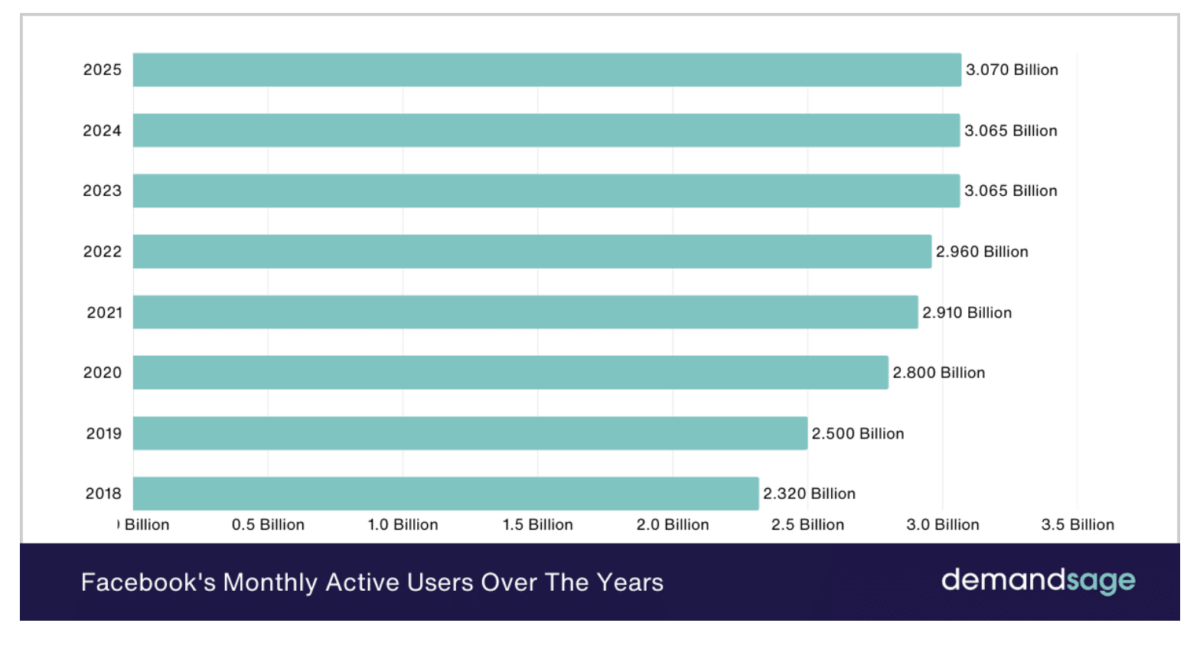
DemandSage puts Facebook at 3.07 billion monthly active users, and Resourcera reports that Meta took in $196.18 billion in advertising revenue in 2025, roughly 97.6% of everything the company earned. Meta does not break Facebook out on its own, so that revenue figure covers the whole family of apps rather than Facebook alone. Those numbers only matter if you understand how to turn reach into actual conversions for your business.
The question isn’t whether Facebook ads work in general. The question is whether they’ll work for your specific business goals, budget, and audience. I’ve watched countless businesses waste money on Facebook advertising because they treated it like a magic solution instead of a channel that requires strategic thinking and continuous refinement.
You’ll discover the real performance data behind Facebook advertising, see actual business results from different industries, and learn the specific mistakes that cause most campaigns to fail. More importantly, you’ll understand exactly what makes Facebook ads effective so you can decide if they’re the right investment for your marketing budget right now.
Key Takeaways
✅ Facebook traffic campaigns average a 1.71% click-through rate and lead campaigns average 2.59%, so the benchmark follows your objective
✅ Budget $1,000-2,000 minimum for 30-60 days of meaningful testing
✅ Track ROAS and CPA—not vanity metrics like likes or shares
✅ The 6 common mistakes in this guide cause most campaign failures
✅ Success requires systematic testing, not a “set and forget” approach
✅ Define your conversion goal and its value before spending a dollar
Quick Start: Launch Your First Facebook Ad Campaign
Time needed: 2-3 hours | Minimum budget: $500-1,000 for testing
1. Install the Meta Pixel on your website (15 min)
2. Define one conversion goal (purchase, lead, sign-up)
3. Create 3 audience tests:
- Custom audience from existing customers
- Interest-based cold audience
- Lookalike audience (1-2% of your best customers)
4. Design 3-5 ad variations with different images/headlines
5. Set daily budget of $20-50 per ad set
6. Run for 7 days before making optimization decisions
→ Skip to Common Mistakes to avoid wasting your budget.
How Facebook Advertising Actually Works
Facebook advertising operates on an auction system where multiple advertisers compete to show ads to the same audiences. You don’t simply pay a set price per click or impression. Your actual cost depends on competition and your ad’s relevance score.
This auction dynamic means your targeting choices directly impact your costs. Highly competitive audiences like “small business owners interested in marketing” cost significantly more than niche segments with less advertiser demand.
Campaign Structure and Objectives
Build your Facebook ad campaign using a three-tier structure. Campaign level sets your objective, ad set level defines your audience and budget, and ad level contains your creative and copy.
Choose campaign objectives that match your actual business goal. Awareness campaigns optimize for reach, consideration campaigns for engagement or traffic, and conversion campaigns for purchases or leads. Mismatching your objective to your goal confuses Facebook’s optimization algorithm.
Your campaign objective tells Facebook which users to target within your defined audience. Select “conversions” and Facebook shows ads to people likely to complete purchases. Select “engagement” and you’ll reach people who like and comment but may never buy.
Budget Allocation and Bidding Strategies
Start with campaign budget optimization (CBO) that lets Facebook automatically distribute your budget across ad sets based on performance. This typically delivers better results than manually allocating fixed budgets to each audience test.
Set daily budgets for testing and lifetime budgets for established campaigns. Daily budgets provide consistent spending while lifetime budgets allow Facebook more flexibility to spend when your audience is most active.
The Digital Marketing Playbook for Small Teams
My latest book helps small businesses, entrepreneurs, and marketers bring search, email, and social together into one digital marketing strategy that actually compounds.
Drawing on my work as a Fractional CMO, Digital Threads turns complicated tactics into a clear, practical plan you can follow, whatever your budget or team size.
Grab your copy on Amazon and start weaving your own digital threads. Click the cover or the button below to get started.

Use automatic bidding initially unless you have strong historical data. Facebook’s algorithm can determine optimal bid amounts better than manual guessing when you’re starting out.
Ad Format Options and When to Use Each
Single image ads work well for simple product showcases and direct offers. Use high-quality photography that immediately communicates your value proposition without requiring explanation.
Video ads generate stronger engagement but require more production effort, and the trade is not automatic. Video tends to win on click-through while static images stay cheaper per thousand impressions, which is why testing both formats inside one ad set usually beats picking a side up front. Keep videos under 15 seconds for feed placements, focusing on grabbing attention in the first three seconds before people scroll past.
Carousel ads let you showcase multiple products or tell a sequential story across several cards. These work exceptionally well for e-commerce catalogs or explaining multi-step processes.
Collection ads combine video with product catalogs, creating an immersive mobile shopping experience. Users can browse your products without leaving Facebook, reducing friction in the purchase path.
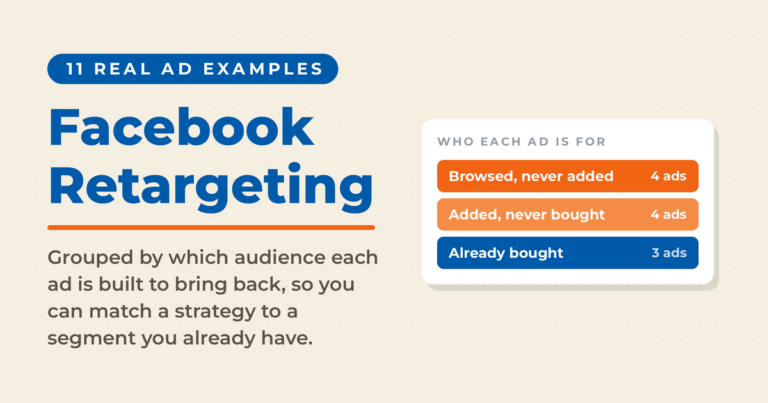
Check out my post on 11 powerful Facebook ad examples as well as the Facebook Ads Library for inspiration.
The Role of the Meta Pixel and Conversion Tracking
Install the Meta Pixel on your website before running any conversion-focused campaigns. Meta renamed the Facebook Pixel in 2022 and now presents it as a dataset inside Events Manager, but the snippet and the ID are the same thing they always were. This tracking code reports back to Meta when people complete desired actions, allowing the algorithm to optimize delivery.
Track multiple conversion events to understand your full funnel. Monitor add-to-cart, initiate checkout, and purchase separately to identify where users drop off.
Build custom conversions for specific actions unique to your business. If you want leads to book consultations, create a conversion event that fires when someone reaches your booking confirmation page.
Do Facebook Ads Work? Here’s What the Performance Data Shows
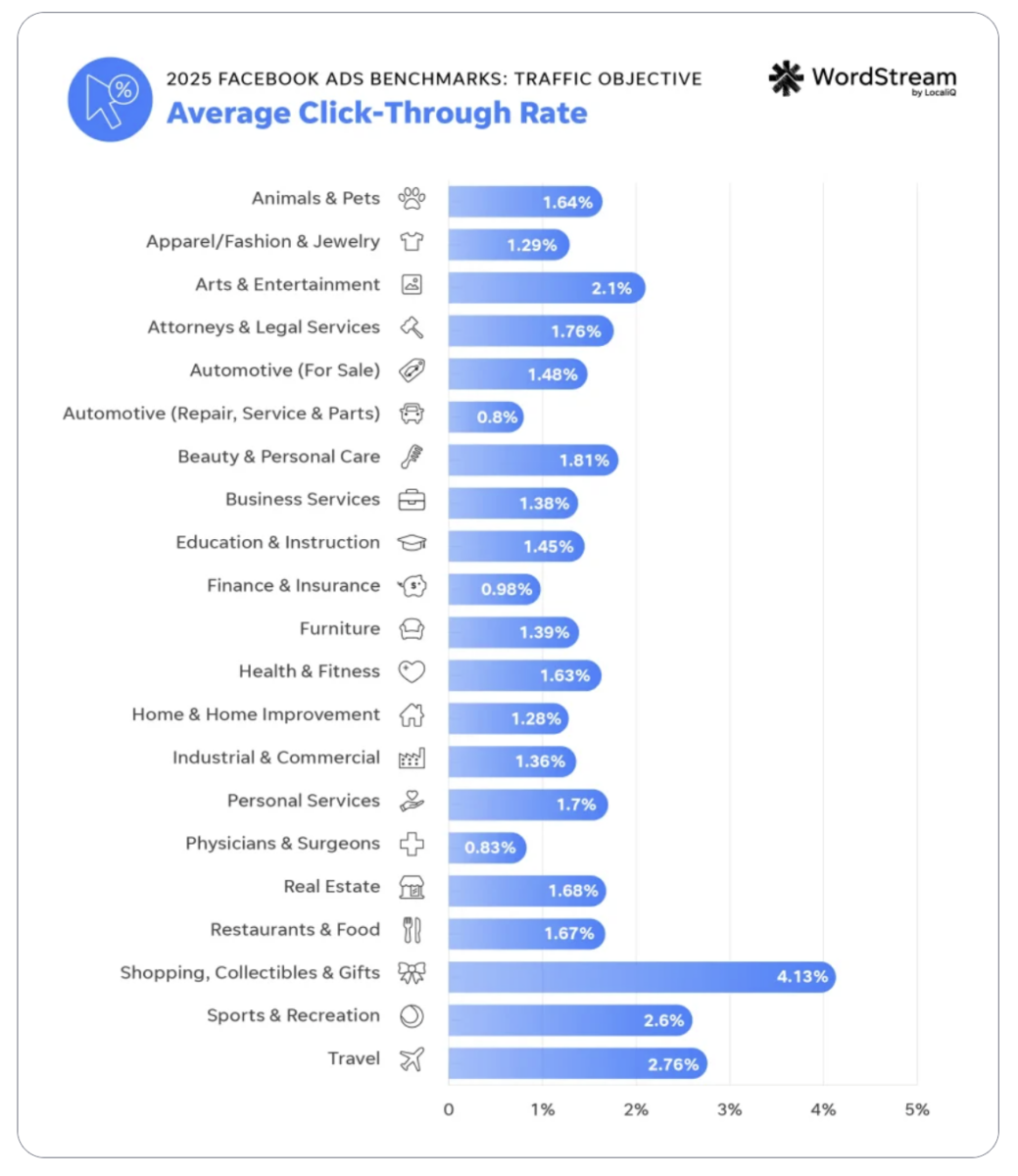
WordStream’s 2025 benchmark report puts the average click-through rate at 1.71% for Facebook traffic campaigns and 2.59% for lead campaigns, drawn from 554 and 726 US campaigns and reported as medians rather than means. Which of those two applies to you depends on the objective you picked, not only on your sector. Shopping and collectibles topped the traffic table at 4.13% while automotive repair sat at 0.80%, so the number worth beating is the one attached to your own objective and industry.
Understanding Facebook Ad Performance Metrics
ROI and ROAS are the metrics that actually matter for determining if Facebook advertising works for your business. Cost per click and CPM tell you what you’re paying, but they don’t reveal whether those clicks convert to sales or qualified leads.
Track your entire conversion funnel. A low CPC means nothing if those visitors bounce immediately. A high CPM might deliver exceptional ROI if your targeting reaches high-value customers ready to buy.
The social media advertising market continues strong growth, but market growth reflects aggregate performance across millions of advertisers with varying levels of expertise—it doesn’t guarantee your campaign will succeed.
What Success Actually Looks Like
Successful Facebook ad campaigns typically show progressive improvement over 30-90 days. You start with testing, identify winning combinations, then scale what works while cutting what doesn’t.
Your first month rarely delivers optimal performance. Budget at least 60 days for meaningful optimization, especially if you’re building a new audience from scratch.
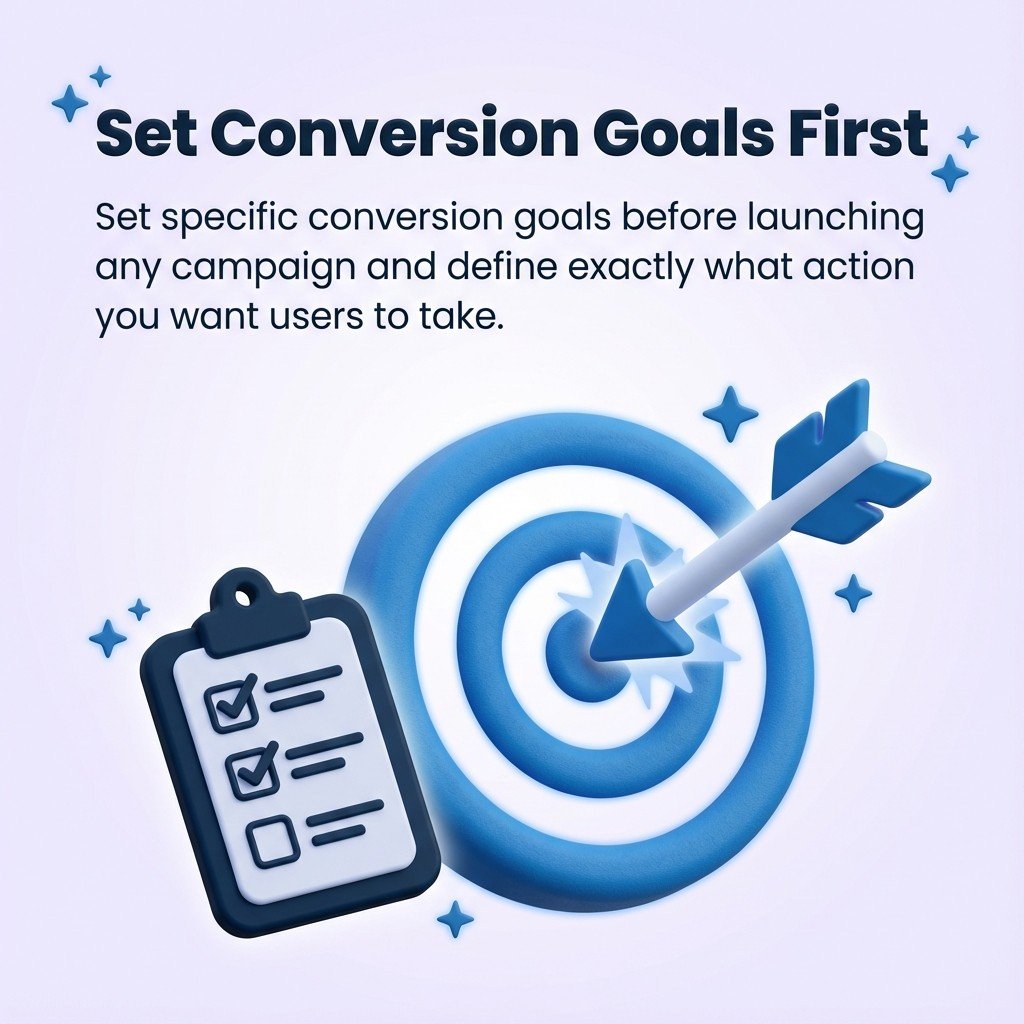
Set specific conversion goals before launching any campaign. “Brand awareness” doesn’t pay your bills. Define exactly what action you want users to take and how much that action is worth to your business.
Why Facebook Ads Can Be So Effective
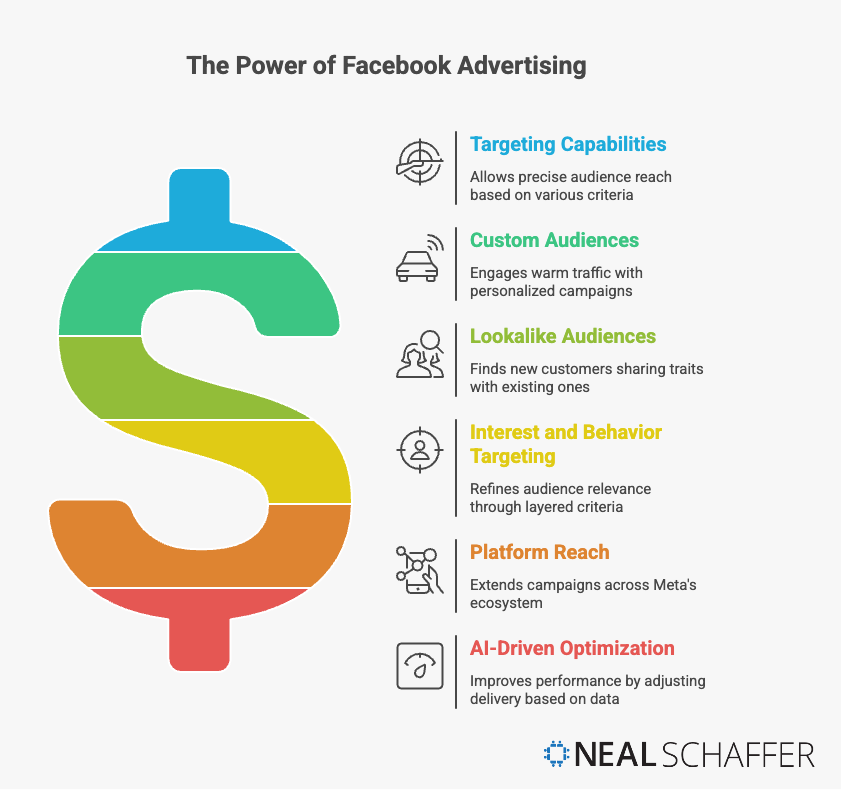
Facebook’s targeting capabilities let you reach people based on demographics, interests, behaviors, and connections. You can show ads to people who visited your website, engaged with your content, or match the profile of your best existing customers.
This precision separates Facebook advertising from traditional media buying. You’re not paying to reach everyone in a geographic area hoping some will be interested. You’re paying to reach specific people more likely to care about your offer.
The Targeting Advantage
Create custom audiences from your customer email list, website visitors, or app users. These warm audiences already know your brand, making them more likely to convert than cold traffic as part of a retargeting campaign.
Lookalike audiences let Facebook find new people who share characteristics with your best customers. Start with a lookalike based on your highest-value purchasers, not just anyone who ever visited your site.
Interest and behavior targeting works best when you stack multiple criteria. Don’t just target “people interested in fitness.” Target people interested in fitness AND who recently moved AND who follow specific health influencers. Narrow your audience to improve relevance.
Platform Reach and Cross-Channel Opportunities
Your Facebook campaigns extend across Instagram, Messenger, and Audience Network, reaching your audience throughout Meta’s ecosystem. Facebook on its own carries 3.07 billion monthly active users and the wider family of apps is larger still, so your ad creative can appear wherever your target audience spends time.
Test which placements drive your best results. Instagram Stories might outperform Facebook Feed for certain products, while Messenger ads could generate better qualified leads for service businesses.
AI-Driven Optimization Systems
Meta’s AI-driven optimization systems, also called Meta Advantage+, improve campaign performance by automatically adjusting delivery to people most likely to take your desired action. The algorithm learns from conversion data and shifts budget toward high-performing audience segments.
This automation only works when you give Facebook enough conversion data to learn from. Small campaigns with limited budgets often underperform because the algorithm doesn’t get sufficient signals to optimize effectively.
Set up proper conversion tracking before launching any campaign. Facebook’s optimization depends on knowing which users completed your goal, whether that’s a purchase, form submission, or app install.
Real Business Results from Facebook Advertising
The accounts that produce real numbers on Facebook get there through systematic testing, audience refinement, and relentless optimization rather than lucky ad creative. Published agency case studies are worth reading for the method, but read the headline result as the top of the distribution rather than the middle of it. If you would rather hire an agency to run that testing for you, my shortlist of 15 Facebook advertising agencies compares them by specialty, budget, and fit.
The businesses that succeed with Facebook ads treat them as a system requiring continuous improvement. They test multiple ad formats, analyze performance data daily, and adjust budgets based on actual conversion metrics rather than vanity numbers like likes or shares.
Industry-Specific Performance Patterns
E-commerce businesses often see their best Facebook ad results during product launches and seasonal promotions. The visual nature of Facebook and Instagram ads works exceptionally well for products people can see themselves using.
B2B companies typically experience longer conversion cycles but higher deal values. Your Facebook advertising campaign might focus on lead generation rather than immediate sales, with follow-up nurturing happening through email or sales calls.
Local service businesses benefit from Facebook’s geographic targeting capabilities. You can reach potential customers within specific zip codes or radius distances from your location, making your ad budget more efficient.
The Reality Behind Case Study Results
Case studies prove what’s possible, not what’s typical. When you see extraordinary results published by agencies or Facebook itself, understand that these represent top-performing campaigns under ideal conditions.
Your results will likely fall somewhere between mediocre and excellent depending on your product-market fit, ad creative quality, and budget allocation. Most businesses need multiple campaign iterations before finding their winning formula.
Focus on beating your own baseline performance rather than chasing someone else’s published numbers. If your campaign generates a 2:1 ROAS and you improve it to 3:1, that’s meaningful progress regardless of what others achieve.
Common Mistakes That Sabotage Facebook Ad Campaigns
Most Facebook advertising failures stem from predictable mistakes that drain budgets without delivering results. You can avoid these by understanding where others typically go wrong before you invest heavily in your own campaigns.
1. Targeting Everyone Instead of Someone Specific
Broad targeting wastes money showing ads to people who will never buy. Narrowing your audience increases your CPC but dramatically improves conversion rates by reaching genuinely interested prospects.
Test different audience sizes. An audience of 50,000 highly targeted people often outperforms 5 million loosely defined users, even though the larger audience seems more attractive.
2. Judging Performance by Vanity Metrics
Page likes are the easiest number on the platform to grow and the hardest one to bank. Engagement figures feel good, and they do not necessarily correlate with anything that turns up in revenue.
A campaign generating 10,000 likes with zero sales fails. A campaign generating 50 clicks with 10 purchases succeeds. Track metrics that directly connect to revenue or qualified leads for your business.
3. Using Weak Ad Creative That Doesn’t Stop the Scroll
Your ad competes with friends, family photos, and entertainment content in the Facebook feed. Bland corporate imagery gets ignored while compelling visual stories capture attention.
Test multiple creative variations simultaneously. Use Facebook’s dynamic creative feature to test different headlines, images, and descriptions to find winning combinations.
Video content and carousel ads typically generate stronger engagement than static images. Show your product in use or tell a quick story that resonates with your target audience’s pain points.
4. Insufficient Budget for the Learning Phase
Facebook’s algorithm needs approximately 50 conversions per ad set to exit the learning phase and optimize effectively. Tiny budgets spread across multiple ad sets prevent the system from gathering enough data. When an ad set cannot realistically reach that threshold, Facebook labels it Learning Limited and throttles how often it serves, which is one of the most common reasons a Facebook ad stops delivering even though nothing about it was ever rejected.
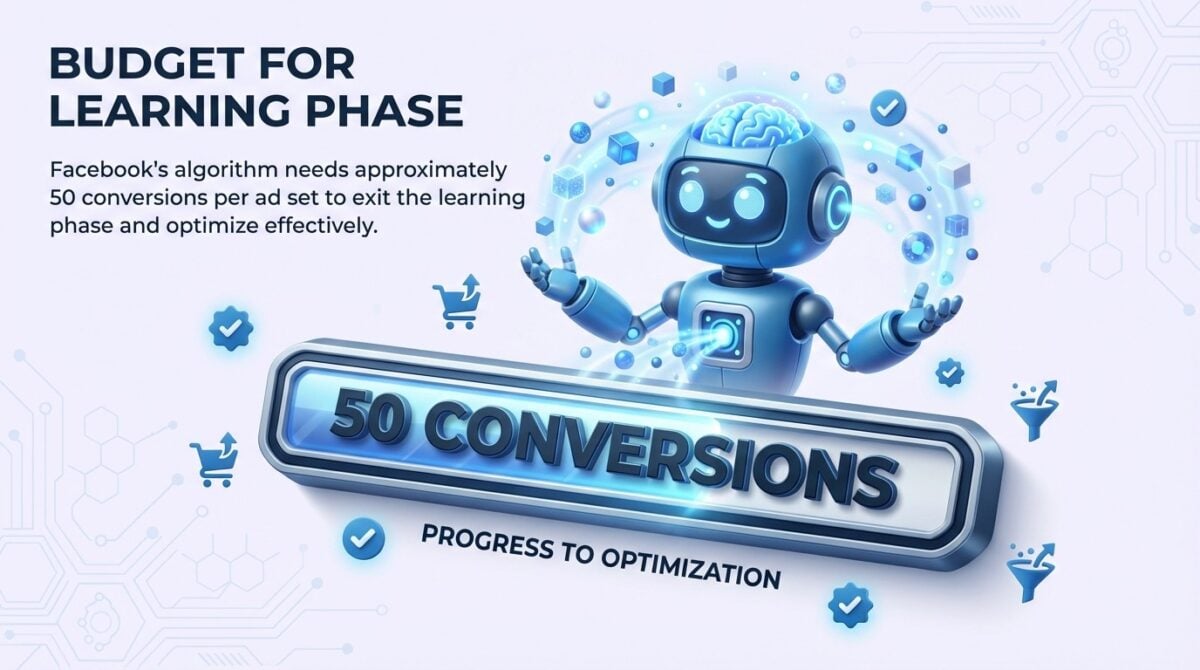
Consolidate your budget into fewer ad sets initially. Better to fully fund two audience tests than barely fund five that never generate enough conversions to optimize.
5. Abandoning Campaigns Before Optimization Kicks In
Expecting immediate results leads to premature campaign cancellations. Most successful Facebook ad campaigns require 30-60 days of testing and refinement before hitting their stride.
Set realistic expectations for your initial campaign phase. Budget for testing without expecting positive ROI immediately, treating those first weeks as an investment in learning what works for your audience.
6. Ignoring Mobile-Optimized Landing Pages
Most Facebook ad clicks happen on mobile devices. Sending that traffic to a desktop-optimized website creates friction that kills conversions regardless of how well-targeted your audience might be.
Test your entire conversion funnel on a mobile phone before launching campaigns. Every extra second of load time reduces conversion rates measurably.
Essential Metrics for Tracking Facebook Ad Success
Return on ad spend (ROAS) measures how much revenue you generate for every dollar spent on Facebook advertising. A 3:1 ROAS means you earn three dollars for each dollar spent on ads.
Calculate ROAS by dividing conversion value by ad spend. If you spent $1,000 and generated $4,000 in sales, your ROAS is 4:1.
Understanding Your Target ROAS
Your required ROAS depends on your profit margins and customer lifetime value. A business with 50% margins needs minimum 2:1 ROAS to break even. Higher margins allow for lower acceptable ROAS.
Factor in customer lifetime value when evaluating campaign performance. A 1.5:1 ROAS might be acceptable if customers typically purchase multiple times over their relationship with your business.
| Metric | What It Measures | Why It Matters |
|---|---|---|
| ROAS | Revenue per ad dollar | Direct profitability indicator |
| CPC | Cost per click | Efficiency of audience targeting |
| Conversion Rate | Clicks that become customers | Landing page and offer effectiveness |
| CAC | Cost to acquire customer | Long-term profitability assessment |
Cost Metrics That Reveal Efficiency
Cost per click (CPC) shows how much you pay each time someone clicks your ad. On WordStream’s 2025 traffic-campaign benchmarks the range runs from $0.34 in shopping and collectibles to $1.22 in finance and insurance, against an overall figure of $0.70. Lead campaigns cost more, averaging $1.92 and reaching $9.78 for dental services, so check which objective a benchmark describes before you plan a budget around it. Lower CPC indicates better audience targeting and ad relevance, but cheap clicks are worthless if they do not convert.
Cost per thousand impressions (CPM) measures awareness campaign efficiency. Business of Apps put the global average at $8.96 in its February 2025 analysis, but that figure averages every country together, and the same analysis puts the United States at $21 per thousand impressions. If you are buying US inventory, budget against the US number. CPM also moves with competition, seasonality, and audience size, and holiday shopping seasons push it up across the board.
Cost per acquisition (CPA) or customer acquisition cost (CAC) reveals your true cost to generate each customer or qualified lead. This metric matters more than CPC or CPM because it directly connects ad spend to business outcomes.
Engagement and Quality Indicators
Click-through rate (CTR) measures the percentage of people who see your ad and actually click. Higher CTR suggests your ad creative and targeting are well-matched to your audience’s interests.
Relevance score (now broken into quality ranking, engagement rate ranking, and conversion rate ranking) shows how Facebook rates your ad’s performance compared to other ads competing for the same audience. Poor scores increase your costs.
Landing page view rate reveals how many clicks result in fully loaded landing pages. Low rates indicate slow page speed or users who immediately bounce, suggesting technical issues or mismatched expectations.
Setting Up Proper Attribution
Facebook’s default attribution window is seven days after click or one day after view. This means conversions get credited to your Facebook ad campaign if they happen within that timeframe after someone saw or clicked your ad.
Adjust attribution windows based on your typical purchase cycle. Products with longer consideration periods might need 28-day click windows to capture all influenced conversions.
Use UTM parameters in your destination URLs to track Facebook traffic in Google Analytics. This provides a secondary data source to verify Facebook’s reported conversions and understand user behavior after they click your ads.
Facebook ads make sense for your business when you have a clear customer profile, proven offer, and sufficient budget to test properly. They work less well as a desperate attempt to generate sales for an unproven product or when you’re trying to reach audiences who don’t use Facebook actively.
Consider your target audience’s platform usage. While Facebook maintains massive reach with over 3 billion monthly users, brands increasingly prioritize TikTok, Instagram, and YouTube for creator-driven campaigns. Your ideal customers might spend more time on other platforms.
Budget Requirements for Meaningful Testing
Plan to spend at least $1,000-2,000 for initial testing across 30 days. This provides enough data to evaluate audience performance and optimize your campaigns based on actual results rather than hunches.
Smaller budgets can work for very local businesses with limited geographic targeting. A restaurant reaching customers within five miles needs less budget than an e-commerce business targeting national audiences.
Scale your budget gradually based on performance. If your initial tests generate positive ROAS, increase spending by 20-30% weekly while maintaining profitability. Avoid sudden budget jumps that throw campaigns back into learning phases.
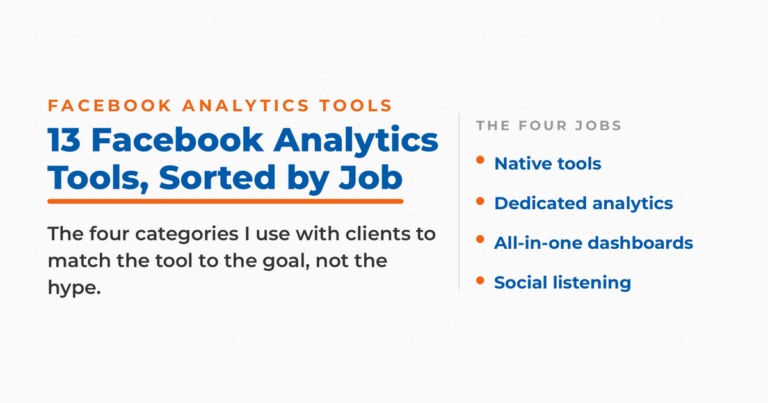
Note that there are a number of Facebook ads tools that you can also use to help you both optimize and manage your campaigns.
When Facebook Ads Make Strategic Sense
- You have a product or service with proven demand and want to reach more qualified prospects. Facebook advertising scales customer acquisition when you’ve already validated your offer through other channels.
- Your target audience actively uses Facebook or Instagram. B2B companies selling to older professionals might find better results on LinkedIn, while brands targeting younger consumers might prioritize TikTok or YouTube.
- You can commit to 60-90 days of testing and optimization. Quick wins happen occasionally but sustainable Facebook ad success typically requires systematic refinement over time.
When to Consider Other Channels First
- Your profit margins can’t support the current Facebook advertising costs in your industry. Calculate your maximum allowable CPA based on margins, then research typical costs before committing budget.
- You lack the resources to create quality ad creative and landing pages. Poor creative and broken conversion funnels waste money regardless of how well you target audiences.
- Your offer needs extensive explanation or education before people buy. Complex B2B solutions or high-consideration purchases might need content marketing and SEO to build awareness before paid advertising delivers positive returns.

Frequently Asked Questions
On WordStream’s 2025 traffic-campaign benchmarks, CPC runs from $0.34 to $1.22 by industry against a $0.70 overall figure, while lead campaigns average $1.92. Business of Apps puts global CPM near $8.96 and the US closer to $21. Budget $1,000 to $2,000 for a meaningful first test over 30 days. For a full breakdown by objective and industry, see my guide on how much Facebook advertising costs.
A 3:1 ROAS, meaning three dollars back for every dollar spent, is a solid benchmark for most businesses. Your real target depends on your margins. A company running 50% margins breaks even at 2:1, so higher margins let you accept a lower ROAS and still profit.
Plan for 30 to 60 days before you judge a campaign. Facebook’s algorithm needs roughly 50 conversions per ad set to leave the learning phase, and spreading your budget across too many ad sets delays that. Most of the accounts I review that “failed” were killed in week one, before the data ever arrived.
Neither is better on its own; they do different jobs. Facebook generates demand by putting your offer in front of people who aren’t searching yet, while Google captures demand from people already looking for what you sell. I break down the full comparison in Facebook Ads vs Google Ads.
It depends which objective you are running. WordStream’s 2025 data puts traffic campaigns at 1.71% and lead campaigns at 2.59%. Shopping and collectibles reached 4.13% on the traffic side while automotive repair came in at 0.80%. Treat your own objective and industry pairing as the baseline to beat, not the all-industry average.
Next Steps for Testing Facebook Advertising
Start by defining your specific campaign goal and success metrics. Don’t launch ads hoping something good happens. Decide exactly what action you want users to take and how much that action is worth to your business.
Install the Meta Pixel and test your conversion tracking before spending money on ads. Verify that your tracking fires correctly when test users complete your desired actions.
Create three different audience tests based on different targeting approaches:
- One custom audience of existing customers or website visitors
- One interest-based cold audience
- One lookalike based on your best customers
Develop 3-5 ad creative variations to test against each audience. Test different images, headlines, and calls to action to identify what resonates with each segment.
Launch with a modest daily budget split across your audience tests. Monitor performance daily but avoid making changes for at least 3-4 days to give the algorithm time to gather initial data.
For more detailed guidance on maximizing your Facebook advertising investment, see my complete analysis of Facebook ads ROI.
Focus on learning during your first month rather than expecting immediate profitability. Identify which audiences, ad formats, and messages drive the best cost per conversion. Then scale what works while cutting what doesn’t.
The businesses that succeed with Facebook advertising treat it as a skill requiring practice and refinement. Your first campaigns teach you what your audience responds to, setting the foundation for profitable scaling over time.
Need help with your Facebook Ads? Contact me and let’s chat!