
You’re here because you want to make an impact with your social media campaigns, right? You’re not just looking to throw a few posts out there and hope for the best. Good. Because that’s not how it works.
I’ve been helping brands nail their social media strategies for over a decade now. As the author of the first definitive book on social media marketing strategy, Maximize Your Social, the modern digital marketing playbook, Digital Threads and someone who teaches social media marketing at Rutgers Business School, I’ve seen what separates campaigns that explode from those that fizzle out. And I’ll tell you this: the difference almost always comes down to strategy, not budget.
Think about it: according to Sprout Social, 76% of consumers use social media for product research. That’s not a “nice to have” channel. That’s where your customers are actively looking to buy. The question isn’t whether you should run a campaign. It’s whether you’re running one that actually moves the needle.
Key Takeaways
✅ A social media campaign is a coordinated, time-bound effort with specific goals, not just regular posting
✅ Capture baseline metrics before launching so you can actually measure improvement
✅ Match your platform choice to where your audience spends time, not where you think they should be
✅ User-generated content and community building often outperform expensive production value
✅ Every successful campaign includes a clear call-to-action and built-in participation mechanism
✅ Post-campaign analysis matters as much as the campaign itself for long-term growth
What is a Social Media Campaign?
A social media campaign is a coordinated marketing effort across one or multiple platforms designed to achieve a specific, measurable goal within a defined timeframe. Unlike your daily posts or evergreen content, a campaign has a clear beginning, middle, and end, with all content driving toward a single objective.
How Campaigns Differ From Regular Social Media Posting
Think of it like this: regular posting is your ongoing conversation with your audience. A campaign is an event. It has a theme, a clear call to action, and it rallies people around a shared idea or offering.
You’re not just posting a picture of your new product. You’re launching a campaign about your new product, with a series of posts, stories, ads, and maybe even a contest, all driving towards pre-orders, awareness, or sales. See the difference? The always-on side still deserves attention, though, because campaigns land better on top of a brand presence that is already working. Four Seasons is the case study I keep coming back to, because they built social into the website and into every individual property rather than treating it as a series of one-off pushes.
| Element | Regular Posting | Social Media Campaign |
|---|---|---|
| Duration | Ongoing, indefinite | Time-bound (days to months) |
| Goal | Maintain presence, engage audience | Achieve specific measurable outcome |
| Content | Varied, evergreen | Themed, coordinated |
| Measurement | General engagement metrics | Campaign-specific KPIs |
| Resources | Standard allocation | Concentrated effort and budget |
Why Should You Run a Campaign?
Focus creates power. Campaigns cut through the noise and give your audience a reason to pay attention right now. Research from HubSpot shows that marketers who set specific goals are 376% more likely to report success than those who don’t.
I’ve seen campaigns completely transform brands, and I’ve also seen them fall flat when done without purpose. The difference? Strategy.
How Do You Create a Social Media Campaign Strategy?
Creating a social media campaign strategy requires defining clear objectives, understanding your audience, selecting the right platforms, developing compelling content, setting realistic budgets, and establishing measurement frameworks. Skip any of these steps and you’re essentially hoping for luck.
Step 1: Define Your Objectives (Make Them SMART)
This is where most people stumble. “I want more followers.” That’s not an objective; it’s a wish, and a vanity one at that.
What do you really want to achieve? Is it brand awareness? Lead generation? Website traffic? Product sales? Customer loyalty? User-generated content?
Get specific. “Increase brand awareness by 20% among Gen Z in the next three months.” Now that’s an objective. And it’s measurable.
Your objectives should be SMART:
- Specific: What exactly will you accomplish?
- Measurable: How will you know you’ve succeeded?
- Achievable: Is this realistic given your resources?
- Relevant: Does this align with business goals?
- Time-bound: When will you achieve this?
I can’t stress this enough: if you don’t know what success looks like after your social media campaign ends, you’ll never achieve it. You’ll just be guessing.
Step 2: Know Your Audience (Beyond Demographics)
You’re not talking to “everyone.” You can’t.
Who are your ideal customers? What platforms do they use? What are their pain points? Their aspirations? What kind of content do they consume? Their language? Their humor?
This isn’t just about demographics; it’s about psychographics. Build a persona. Give them a name. Imagine them scrolling through their feed. What makes them stop?
Questions to answer about your audience:
- What platforms do they spend the most time on?
- What time of day are they most active?
- What content formats do they prefer (video, images, text)?
- What problems are they trying to solve?
- Who else do they follow and trust?
And don’t forget about dark social. Private sharing in DMs, WhatsApp groups, and Slack channels accounts for a massive amount of content distribution. RadiumOne’s research found that up to 84% of content sharing happens through private channels rather than public social feeds. Your campaign needs to be shareable in these private spaces too.
One Strategy to Connect All Your Marketing
My latest book helps small businesses, entrepreneurs, and marketers bring search, email, and social together into one digital marketing strategy that actually compounds.
Drawing on my work as a Fractional CMO, Digital Threads turns complicated tactics into a clear, practical plan you can follow, whatever your budget or team size.
Grab your copy on Amazon and start weaving your own digital threads. Click the cover or the button below to get started.

If you try to appeal to everyone, you’ll appeal to no one. Be specific. Tailor your message. For a deeper dive into understanding your audience, check out my guide on social media analytics.
Step 3: Choose Your Channels Strategically
You don’t need to be everywhere. You need to be where your audience is. And where your message resonates best. Once you have picked those channels, the campaign message still has to be rewritten for each one, which is the line between cross-promotion and cross-posting.
Each platform has its own vibe, its own rules, and its own audience expectations. Here’s what actually works on each:
| Platform | Best For | Content Style | Audience Sweet Spot |
|---|---|---|---|
| TikTok | Awareness, virality | Humor, trends, raw authenticity | Gen Z, younger Millennials |
| Visual storytelling, e-commerce | Polished visuals, UGC, aspirational | Millennials, Gen Z | |
| B2B, thought leadership | Professional insights, industry conversations | Professionals, decision-makers | |
| Community building, local businesses | Groups, events, longer-form content | Gen X, Boomers, local audiences | |
| YouTube | Education, tutorials, long-form | High-value video content | All demographics |
| X (Twitter) | News, real-time conversations | Quick takes, threads, engagement | Media, tech, professionals |
Don’t just jump on the latest trend if your audience isn’t there. It’s a waste of time and resources.
Step 4: Develop Your Content Strategy
This is the creative heart of your campaign. What’s the central message? What story are you telling? What’s your unique angle?
Map your content to campaign phases:
- Tease phase: Build anticipation before launch with hints and sneak peeks
- Launch phase: Make a splash with your main campaign content
- Sustain phase: Keep momentum with ongoing content, UGC, and engagement
- Close phase: Create urgency, summarize results, thank participants
Build in participation mechanisms. The best campaigns don’t just broadcast; they invite action. Think challenges, contests, polls, and story-sharing opportunities. When people participate, they become invested.
You need a social media calendar that plans each piece of content and how it contributes to your overall objective. Consistency here is key.
Step 5: Set Your Budget and Timeline
Real talk: social media isn’t “free.” Even organic reach requires time and effort.
Budget reality check:
- The U.S. Small Business Administration points to marketing spend of roughly 8% of revenue as a working benchmark for small businesses, with social media one of the channels funded from that
- Larger brands may invest significantly more during peak seasons or major launches
Before you spend a dollar, A/B test key elements:
- Test ad creative variations with small budgets
- Try different headlines and calls-to-action
- Experiment with audience targeting options
- Then scale what works
Be realistic with your resources. A small, well-executed campaign is always better than an ambitious, underfunded one.
Step 6: Establish Your Measurement Framework
Here’s the step most marketers skip that kills their ability to prove success: capture your baseline metrics BEFORE launching.
You can’t measure a 20% increase in engagement if you don’t know where you started. You can’t prove ROI if you didn’t document your starting point.
Before launch, record:
- Current follower counts across platforms
- Average engagement rate on recent posts
- Website traffic from social sources
- Current conversion rates
- Brand mention volume
For a deep dive into what to track, see my guide on social media KPIs and how to calculate engagement rate.
40+ Social Media Campaign Examples That Actually Worked
I’ve analyzed dozens of campaigns to bring you examples that demonstrate smart strategy, creative execution, and measurable results. These aren’t just big brands with unlimited budgets. They’re examples of what happens when strategy meets creativity, with documented outcomes you can learn from.
Brand Awareness Campaigns That Broke Through
Dove: Real Beauty Sketches (2013)
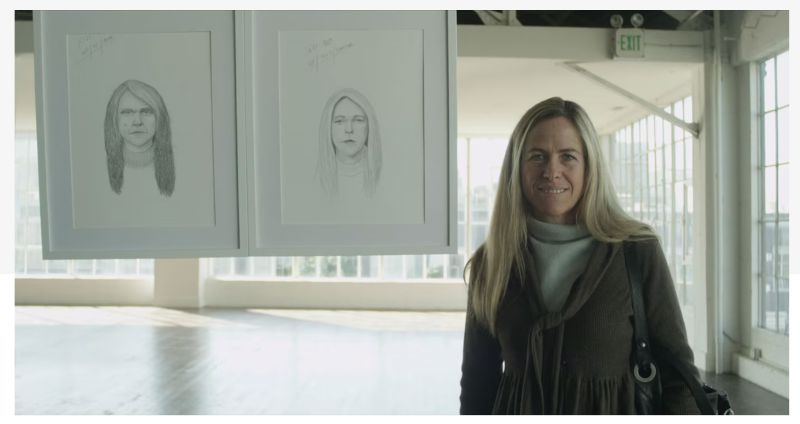
What happened: Dove hired an FBI-trained forensic artist to draw women based on their own descriptions, then again based on a stranger’s description. The difference was striking, revealing how harshly women judge their own appearance.
Why it worked: It touched a universal emotional truth about self-perception. The three-minute video felt like a documentary, not an ad. According to Dove, the campaign became the most viewed online video ad of all time at that point, reaching 114 million views in the first month.
Key result: Within a month the film had been shared more than 3.7 million times, the third most shared ad of all time at that point, according to viral-tracking firm Unruly.
Takeaway: Emotional storytelling that addresses a genuine human insight will always outperform product-focused messaging.
Spotify: Wrapped (Annual, 2016-Present)
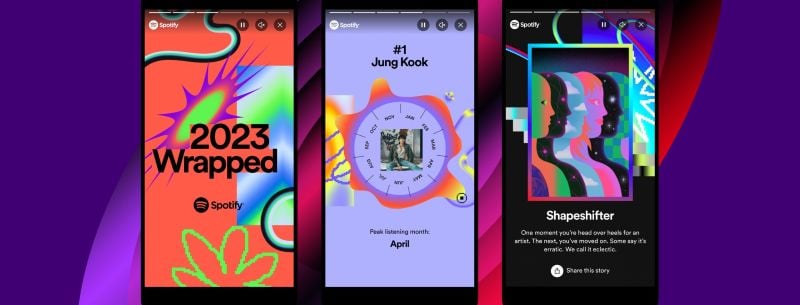
What happened: Each December, Spotify delivers personalized year-in-review data to users, showing their top artists, songs, genres, and listening minutes in a shareable, visually striking format.
Why it worked: It combines personalization with social currency. People love sharing things about themselves, and Wrapped gives them a polished way to do it.
Key result: Spotify reported that 2023 Wrapped engaged a record 227 million monthly active users, a decade high for the campaign.
Takeaway: Give users personalized, shareable content and they’ll do your marketing for you.
Coca-Cola: Share a Coke (2011-Present)
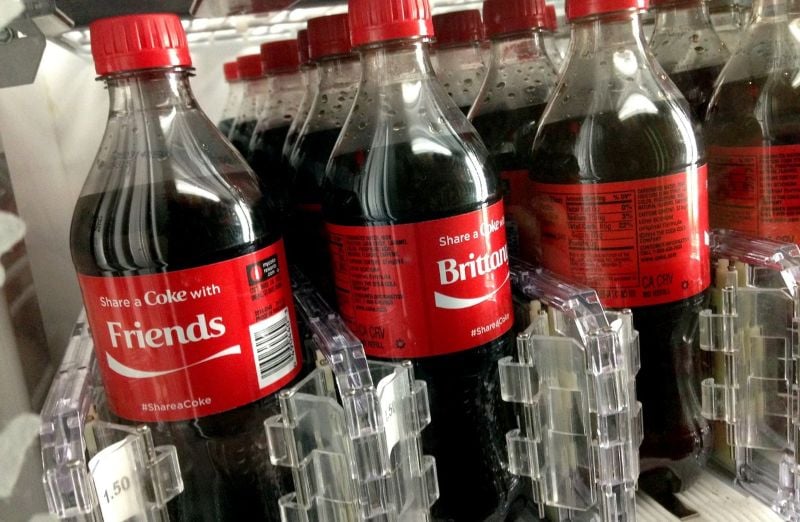
What happened: Coca-Cola replaced its iconic logo on bottles with 250 of the most popular names in each market, inviting people to “Share a Coke” with friends and family.
Why it worked: Personalization at scale. People hunted for their names, photographed bottles, and shared them across social media. The campaign made a global brand feel personal. According to The Wall Street Journal, the campaign reversed a decade-long decline in Coke consumption.
Key result: In Australia, where the campaign launched, Coca-Cola saw a 7% rise in consumption among young adults and more than 500,000 photos shared with the #ShareaCoke hashtag in the first summer.
Takeaway: Even massive global brands can create intimate, personal experiences through smart campaign design.
More Brand Awareness Campaign Examples
| Brand | Campaign | Year | Platform | Key Result | Source |
|---|---|---|---|---|---|
| Old Spice | The Man Your Man Could Smell Like | 2010 | YouTube, Twitter | Body wash sales doubled year-over-year | Wieden+Kennedy |
| Wendy’s | Twitter Roasts | 2017+ | Twitter/X | Over 130 million impressions in hours on National Roast Day | HubSpot |
| Burger King | Whopper Detour | 2018 | Mobile App | 1.5 million app downloads in 9 days | Marketing Dive |
| IHOP | IHOb Name Change | 2018 | 20,000+ media stories, 36 billion earned media impressions | Marketing Dive | |
| Aviation Gin | Ryan Reynolds Social Strategy | 2018-Present | Twitter, YouTube | Acquired by Diageo for $610 million | CNBC |
| Duolingo | Duo the Owl TikTok strategy | 2021-Present | TikTok | 16.8 million TikTok followers | Adweek |
Community and UGC Campaigns That Built Movements
Apple: Shot on iPhone (2015-Present)
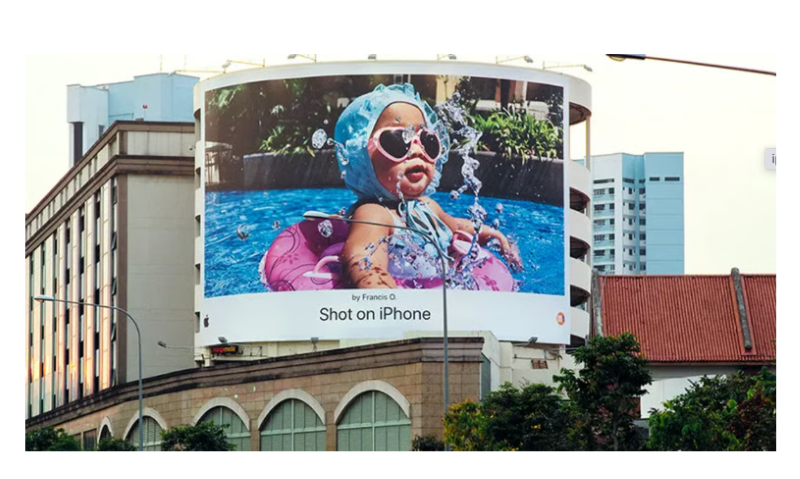
What happened: Apple built an ongoing campaign around user-submitted photos and videos captured on iPhones, featuring the best content in global billboard campaigns, TV ads, and social media.
Why it worked: It proves the product’s capability through real user results while making customers feel like celebrated artists. The campaign is self-sustaining because users constantly create new content hoping to be featured.
Key result: The campaign generated 6.5 billion media impressions and 24,000 opinion-leader mentions, 95% of them positive, according to TBWA Media Arts Lab, the agency behind it.
Takeaway: When your customers create better content than your marketing team could, get out of their way and amplify them.
GoPro: Million Dollar Challenge (Annual)
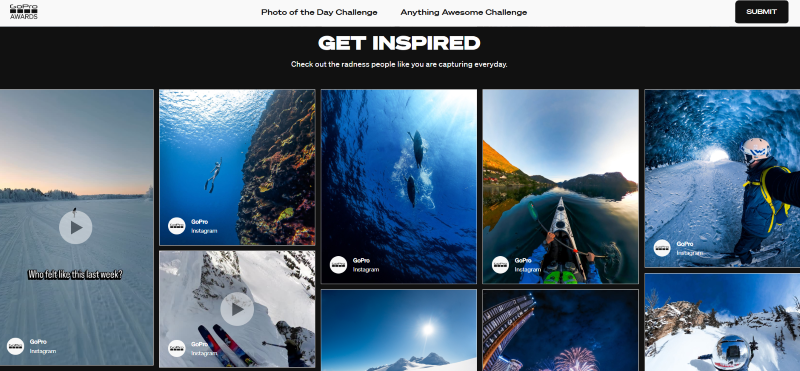
What happened: GoPro invites users to submit their best clips for a chance to be featured in their annual highlight reel and split a million-dollar prize pool among selected creators.
Why it worked: It incentivizes content creation while generating thousands of pieces of high-quality UGC. Winners become brand ambassadors, and non-winners still associate their content with the GoPro brand.
Key result: GoPro reported that the 2023 challenge generated 42,446 video submissions from 126 countries, with 55 creators splitting the $1 million prize.
Takeaway: Contests that reward your best customers strengthen loyalty while generating authentic content.
Aerie: #AerieREAL (2014-Present)
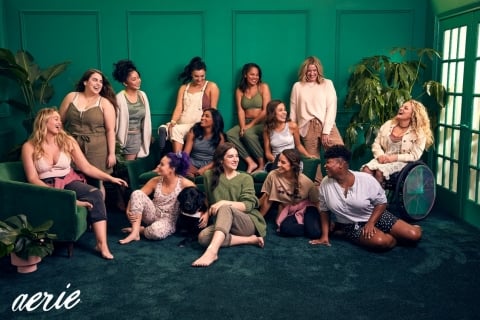
What happened: Aerie committed to using unretouched photos in all campaigns and invited customers to share their own unedited photos using #AerieREAL. The brand pledged to donate $1 to the National Eating Disorders Association for each post.
Why it worked: It aligned with a genuine shift in consumer values around body positivity. The commitment felt authentic because it was backed by action, not just words.
Key result: The #AerieREAL positioning helped power 25 consecutive quarters of double-digit growth and carried the brand past $1 billion in annual revenue; Aerie has since surpassed $2 billion on a trailing-twelve-month basis.
Takeaway: Values-driven campaigns only work when backed by genuine commitment. Customers can spot performative activism instantly.
More: Community and UGC Campaign Examples
| Brand | Campaign | Year | Platform | Key Result | Source |
|---|---|---|---|---|---|
| Starbucks | White Cup Contest | 2014 | Instagram, Twitter | 4,000 entries in three weeks | Starbucks Newsroom |
| LEGO | Rebuild the World | 2019-Present | Multi-platform | Over 100 million video views in the first 60 days | The Brand Hopper |
| Airbnb | #WeAccept | 2017 | Multi-platform | 87 million impressions during Super Bowl | Adweek |
| Chipotle | Lid Flip Challenge | 2019 | TikTok | 111,000 video submissions, 104 million views | Shorty Awards |
| e.l.f. Cosmetics | Eyes Lips Face TikTok Song | 2019 | TikTok | 7 billion views, first brand to create original TikTok sound | Vogue Business |
| Calvin Klein | #MyCalvins | 2014-Present | 884,000+ user posts (2021) | Highsnobiety |
Sales and Conversion Campaigns That Drove Revenue
Dollar Shave Club: Our Blades Are F***ing Great (2012)
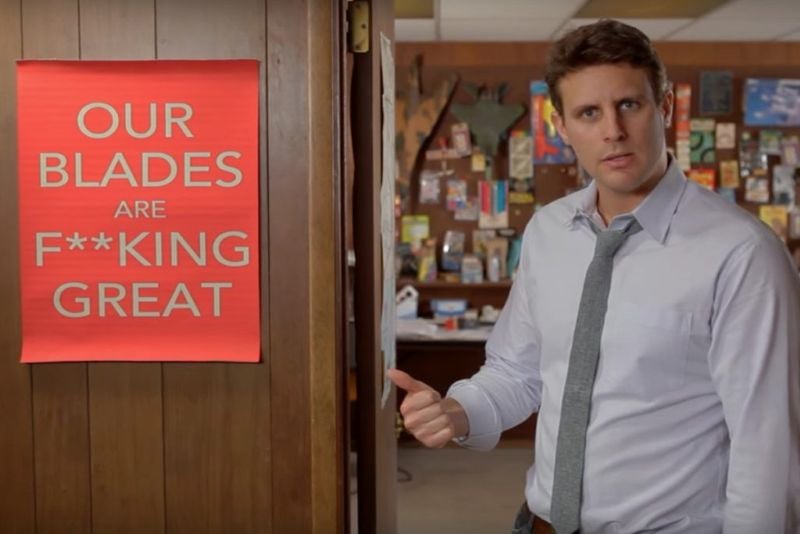
What happened: Founder Michael Dubin starred in a low-budget, irreverent video explaining why the razor industry was overcharging customers. The video cost just $4,500 to produce.
Why it worked: It was funny, direct, and addressed a real consumer frustration. The casual, almost amateurish production made it feel authentic rather than polished and corporate.
Key result: The video generated 12,000 orders in the first 48 hours, crashing the site; Unilever acquired the company for $1 billion in 2016, five years after it was founded.
Takeaway: A compelling message delivered authentically will outperform expensive production every time.
Glossier: Community-First Growth (2014-Present)
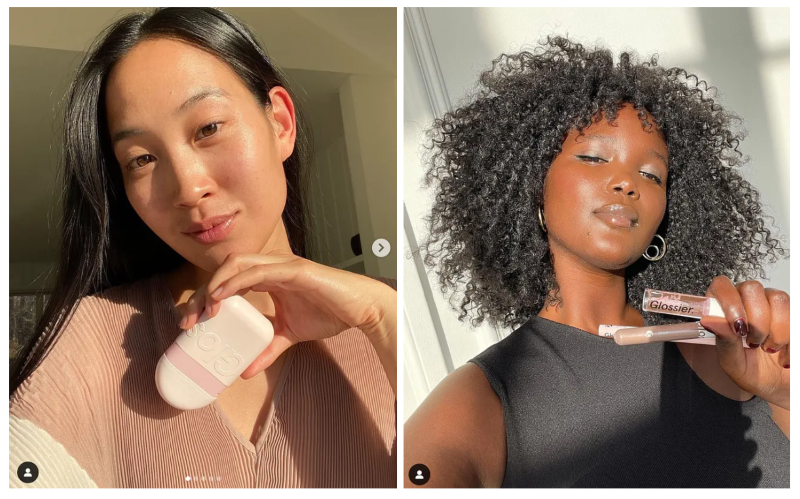
What happened: Glossier built its entire brand through social media, treating customers as co-creators. The company actively incorporated customer feedback into product development and reposted customer content as primary marketing.
Why it worked: Customers felt ownership in the brand. When Glossier launched a new product, customers promoted it as if they had helped create it, because many had.
Key result: According to a Glossier marketing analysis, Glossier reached a $1.2 billion valuation with roughly 70% of its online sales and traffic coming from peer-to-peer referrals rather than paid advertising.
Takeaway: Treat customers as partners, not audiences, and they’ll sell for you.
Ocean Spray: Dreams TikTok Moment (2020)
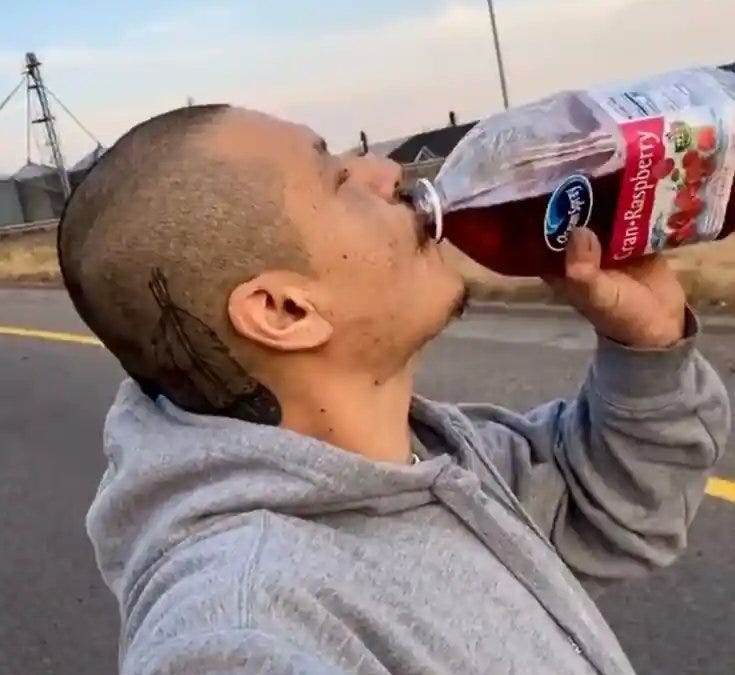
What happened: Nathan Apodaca posted a TikTok of himself skateboarding to work, drinking Ocean Spray cranberry juice, and lip-syncing to Fleetwood Mac’s “Dreams.” Ocean Spray leaned in immediately, gifting him a truck and amplifying the moment.
Why it worked: Ocean Spray recognized an organic moment and responded quickly and generously rather than trying to control it. The brand’s response felt human, not corporate.
Key result: According to The Drum, Ocean Spray’s stock value nearly doubled overnight following the viral moment, and Nathan Apodaca’s original TikTok went on to rack up tens of millions of views.
Takeaway: You can’t manufacture viral moments, but you can be ready to respond to them authentically when they happen.
More Sales and Lead Generation Campaign Examples
| Brand | Campaign | Year | Platform | Key Result | Source |
|---|---|---|---|---|---|
| ASOS | Instagram Shopping Integration | 2018+ | Influencer-led social strategy helped grow 2020 sales 19% to £3.26 billion | Heepsy | |
| Gymshark | 66-Day Challenge | 2017-Present | Instagram, YouTube | 45.5 million views and 1.9 million likes on #gymshark66 | Marketing Week |
| HelloFresh | Influencer Discount Codes | 2017-Present | Instagram, YouTube | Influencers given unique trackable promo codes; #HelloFreshPics surpassed 200,000 Instagram posts | Extole |
| Warby Parker | Home Try-On Social Sharing | 2010-Present | 50% of try-on participants share on social media | Inc. | |
| Fashion Nova | Instagram-First Strategy | 2016-Present | Grew to roughly $2 billion in annual sales through Instagram-first growth | Forbes |
Cause-Driven Campaigns That Made an Impact
ALS Association: Ice Bucket Challenge (2014)
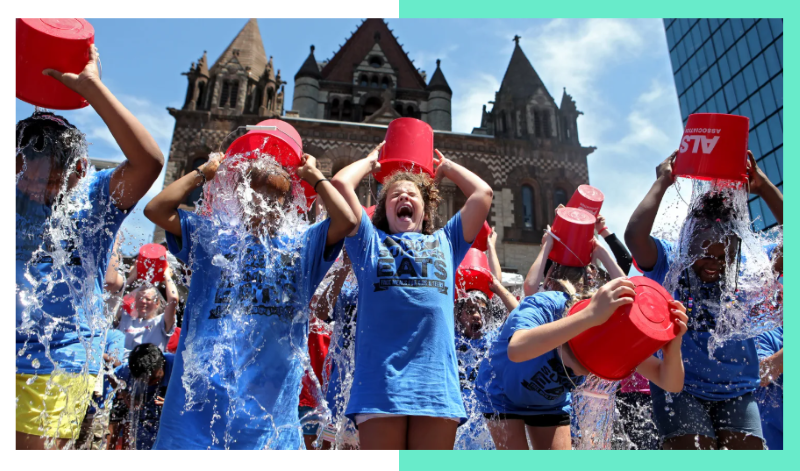
What happened: Participants dumped ice water on themselves, donated to ALS research, and challenged others to do the same within 24 hours. The simple mechanic created exponential spread.
Why it worked: It combined a physical challenge, social pressure, and a worthy cause in a format perfectly suited for video sharing. The 24-hour deadline created urgency.
Key result: The ALS Association reported the campaign raised $115 million in eight weeks, compared to $2.8 million in the same period the previous year. The funding directly contributed to the discovery of a new ALS gene, NEK1.
Takeaway: Simple mechanics, social accountability, and genuine impact can create movements that transcend marketing.
REI: #OptOutside (2015-Present)
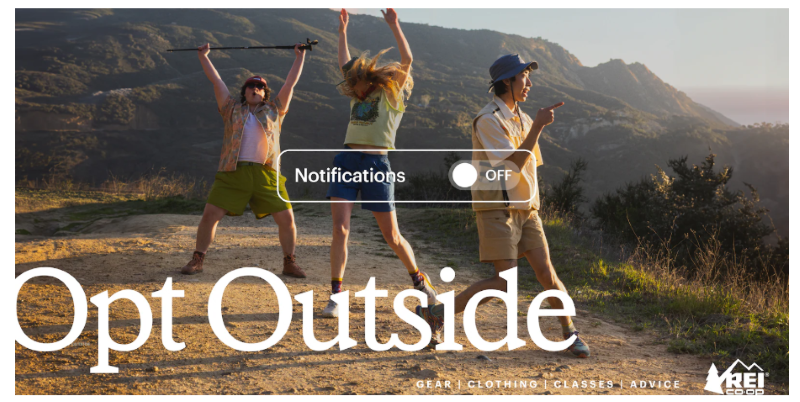
What happened: REI closed all stores on Black Friday and paid employees to spend the day outside. The campaign invited everyone to skip shopping and enjoy nature instead.
Why it worked: It was a genuine sacrifice that aligned perfectly with brand values. REI wasn’t just talking about loving the outdoors; they were proving it by walking away from the biggest shopping day of the year.
Key result: In its first year, 1.4 million people pledged to #OptOutside alongside 170 partner organizations; within three years that grew to 15 million people and more than 700 organizations.
Takeaway: The most powerful brand statements involve genuine sacrifice, not just messaging.
More Cause-Driven and Purpose Campaign Examples
| Brand | Campaign | Year | Platform | Key Result | Source |
|---|---|---|---|---|---|
| Always | #LikeAGirl | 2014 | YouTube, Twitter | 4.5 billion impressions, 76 million video views | Institute for Public Relations |
| Patagonia | Don’t Buy This Jacket | 2011 | Print, Social | Sales rose approximately 30% in the nine months following the ad | IMD |
| Nike | Dream Crazy (Kaepernick) | 2018 | Multi-platform | Almost $6 billion added to market value | Newsweek |
| Dove | Campaign for Real Beauty | 2004-Present | Multi-platform | Drove a decade of consecutive sales growth to become Unilever’s biggest brand | Harvard Business School |
| Ben & Jerry’s | Social Justice Activism | 2016-Present | Multi-platform | 19% sales growth during campaign years | The Guardian |
| Heineken | Worlds Apart | 2017 | YouTube | Over 40 million views, 91% positive sentiment | Contagious |
B2B and Industry-Specific Campaigns
HubSpot: Inbound Marketing Content Ecosystem (2006-Present)
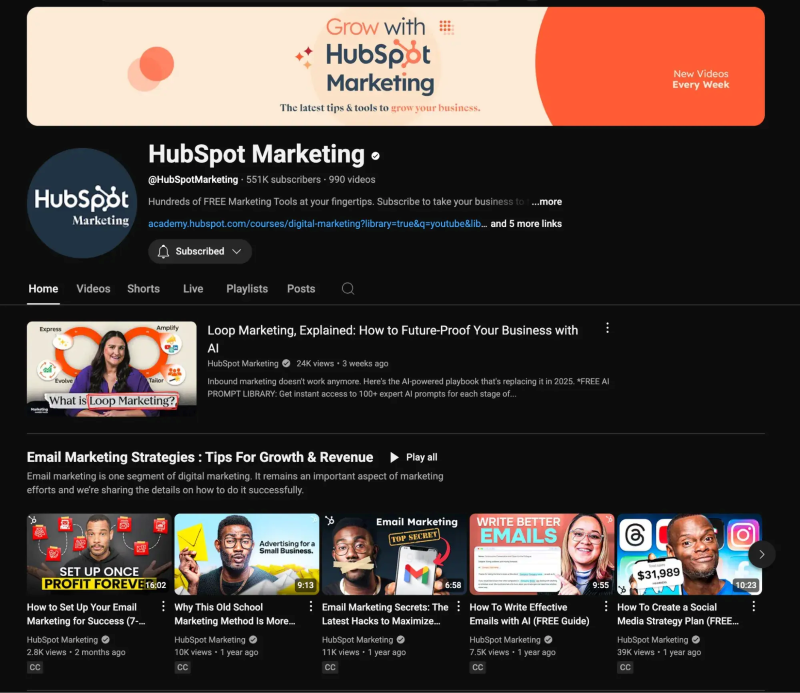
What happened: HubSpot didn’t just sell software; they became a leading resource for inbound marketing education through blogs, guides, templates, and certification programs. They gave away enormous value for free.
Why it worked: By educating their market, they created demand for the very solution they sold. Prospects arrived already understanding the methodology and ready to implement with HubSpot’s tools.
Key result: According to HubSpot’s Q4 and Full Year 2025 earnings release, this content-first approach helped grow the company to 288,706 customers and $3.13 billion in annual revenue.
Takeaway: For B2B, thought leadership and educational content are incredibly powerful for lead generation. Teach your market and they’ll buy from the teacher.
Slack: Wall of Love and Word-of-Mouth Growth (2013-Present)
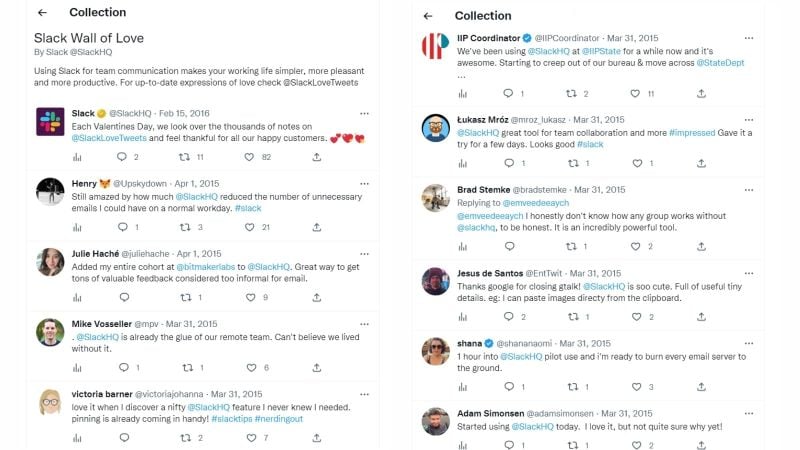
What happened: Slack built a “Wall of Love” featuring customer tweets and testimonials, making social proof a core part of their marketing. They obsessively focused on customer experience, knowing happy users would spread the word.
Why it worked: The product was genuinely good, and Slack made it easy for fans to share their enthusiasm. Every positive tweet became marketing material.
Key result: According to First Round Review, Slack grew to 12 million daily active users largely through word-of-mouth, with the company reaching a $1 billion valuation faster than any other SaaS company at the time.
Takeaway: The best marketing is a great product. Invest in customer experience first, then amplify happy customers.
More B2B and Industry-Specific Campaign Examples
| Brand | Campaign | Year | Platform | Key Result | Source |
|---|---|---|---|---|---|
| Mailchimp | Did You Mean Mailchimp? | 2017 | Multi-platform | Drove millions of organic searches | Droga5 |
| Adobe | Adobe Summit Social Strategy | 2019+ | LinkedIn, Twitter | 21,700 social mentions during the event (EMEA) | Excel London |
| Salesforce | Dreamforce Social Hub | 2016-Present | Multi-platform | Dreamforce 2024 influencer activation drove 3.6 million impressions | Shorty Awards |
| Zoom | Pandemic Response | 2020 | Multi-platform | Grew from 10 million to 300 million daily users in 3 months | CNBC |
Recent Campaigns Worth Watching (2024-2025)
These campaigns demonstrate what’s working right now and offer lessons for your next launch.
CeraVe x Michael Cera: The Conspiracy Campaign (2024)
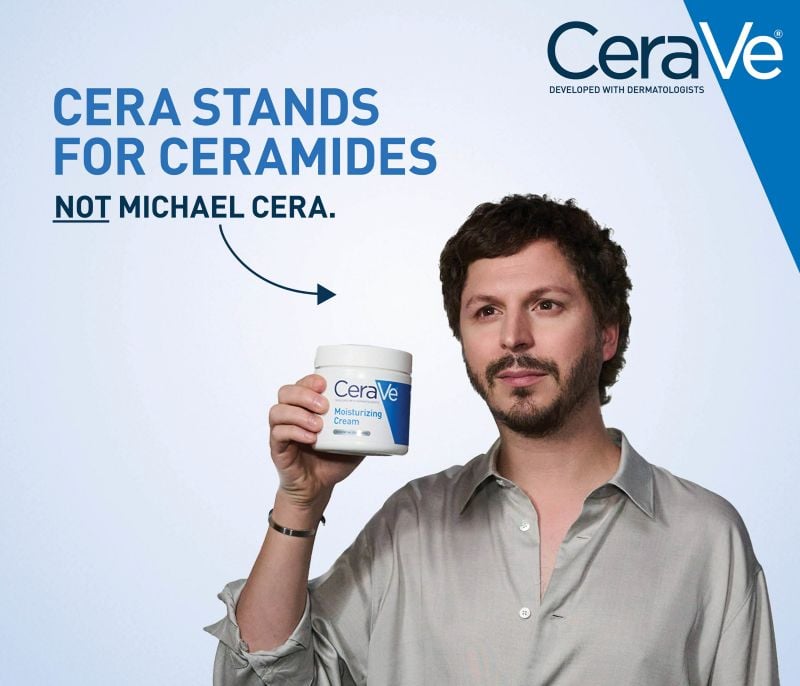
What happened: CeraVe let TikTok speculation run wild that actor Michael Cera was somehow connected to the skincare brand (he wasn’t, until they made him the face of their Super Bowl campaign). Influencers and fans created elaborate “conspiracy theories” that the brand quietly encouraged before the reveal.
Why it worked: It embraced internet culture and made the audience feel like co-conspirators. By the time the Super Bowl ad aired, millions were already invested in the story.
Key result: The campaign generated 32 billion earned impressions, vastly surpassing its 1 billion goal.
Takeaway: Sometimes the best marketing doesn’t look like marketing. Let your audience participate in building the narrative.
Stanley: Viral Car Fire Response (2024)
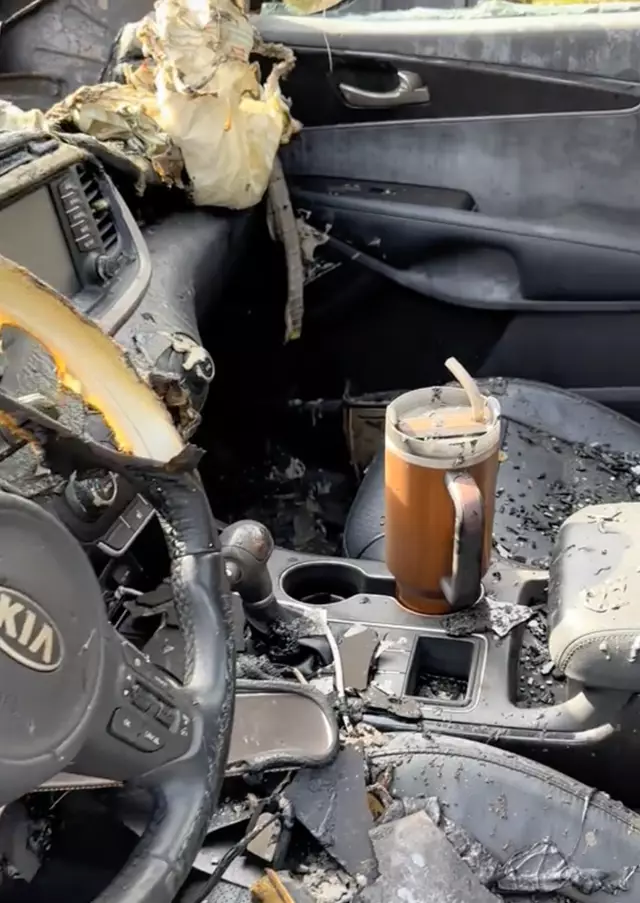
What happened: When a TikToker posted that her Stanley cup survived a car fire completely intact with ice still inside, Stanley’s president responded within days by offering to replace her car. The response video went viral.
Why it worked: Lightning-fast, generous response to an organic moment. Stanley didn’t try to control the narrative; they amplified it with genuine generosity.
Key result: According to Inc., Stanley’s owned social content following the response generated over 100 million views, and the brand’s revenue grew from $73 million to $750 million between 2019 and 2023.
Takeaway: Authentic, fast responses to organic moments can be worth more than any planned campaign.
Duolingo: Death of Duo (2025)
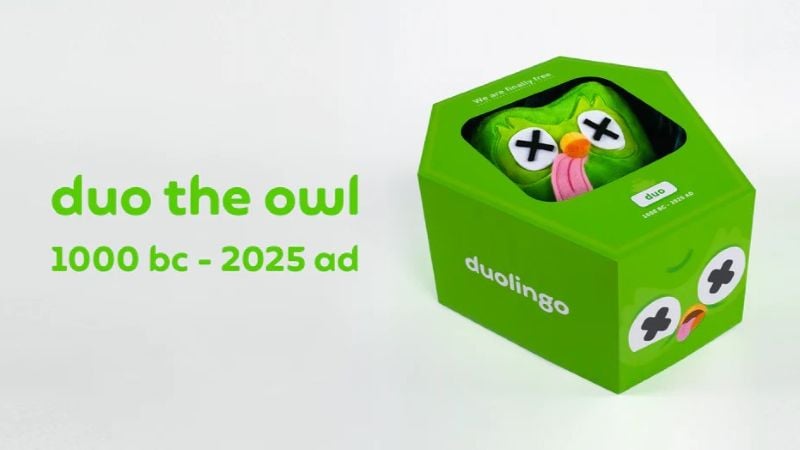
What happened: Duolingo “killed off” their famous green owl mascot Duo, creating an elaborate fake death campaign complete with memorials, celebrity tributes, and mourning content. The owl was later “resurrected” after users completed lessons.
Why it worked: It was absurd, unexpected, and drove engagement by making lesson completion feel emotionally urgent. The campaign demonstrated mastery of internet culture and self-aware humor.
Key result: News outlets ran 450 articles on Duo’s “death,” 60% in top-tier publications, and users earned more than 50 billion XP to bring him back, per Duolingo’s PR team.
Takeaway: Brands willing to take creative risks and embrace absurdity can break through in ways traditional marketing never could. But note: “unhinged” works as a short-term character play, not a permanent strategy.
City of Miami Beach: Breakup Letter (2024)
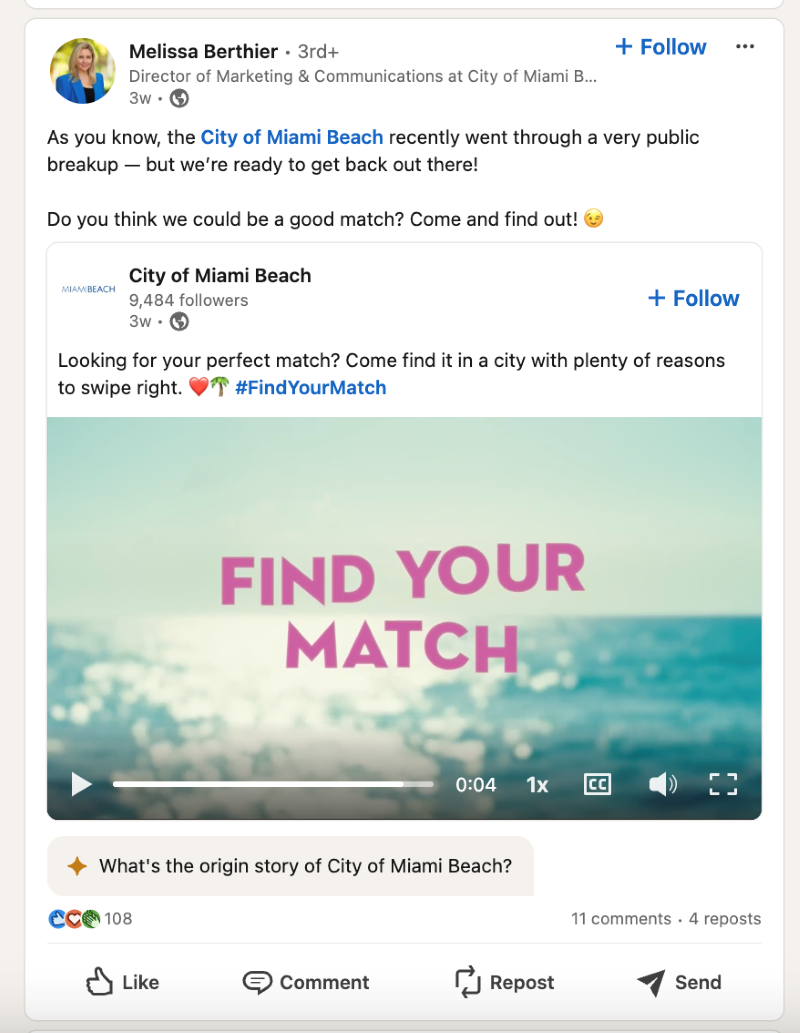
What happened: Ahead of spring break, Miami Beach released a public “breakup letter” to rowdy spring breakers, asking certain visitors not to come and positioning the destination for more respectful tourism.
Why it worked: The unexpected format generated massive earned media coverage. By taking a clear stance, the city actually attracted the audience they wanted.
Key result: Miami Beach’s interim city manager credited the campaign with reaching a global audience and an estimated 19.8 billion media impressions; over the first three weeks of March the city saw 26% fewer felony arrests, with no stampedes or shootings.
Takeaway: Bold messaging that takes a clear stance can generate significant earned media and actually improve outcomes.
Campaigns That Backfired: Learn From Failures
Not every campaign succeeds. These examples show what happens when strategy goes wrong.
Pepsi x Kendall Jenner (2017)
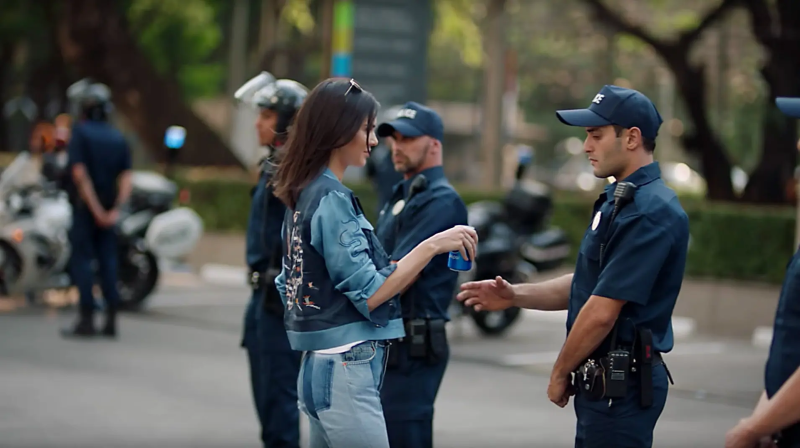
What happened: Pepsi released an ad showing Kendall Jenner ending a protest by handing a police officer a Pepsi. It was pulled within 24 hours after massive backlash.
Why it failed: It trivialized real social justice movements and felt completely tone-deaf to the cultural moment. The ad seemed to suggest that systemic issues could be solved with a soft drink.
Key result: Pepsi’s purchase consideration among millennials fell from 27% to 24% after the ad, and its brand perception sank to its lowest level in eight years, according to YouGov BrandIndex.
Takeaway: Don’t co-opt serious social issues for marketing unless your brand has genuine credibility and commitment to the cause. Authenticity isn’t optional.
DiGiorno: #WhyIStayed Hashtag Hijack (2014)
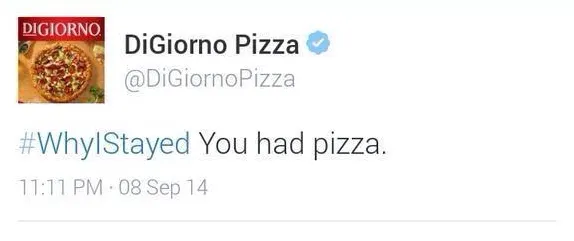
What happened: DiGiorno’s social media team jumped on the trending hashtag #WhyIStayed without realizing it was about domestic violence survivors sharing their stories. Their tweet: “#WhyIStayed You had pizza.”
Why it failed: Zero research before posting. The brand deleted the tweet and apologized, but the damage was done.
Key result: The incident became a case study in social media failure, cited in AdWeek and marketing courses worldwide as an example of what happens when brands don’t research trending hashtags.
Takeaway: Always research the context of trending topics before jumping in. Real-time marketing requires real-time awareness.
Campaign Examples Summary: What the Data Tells Us
Looking across all 40+ examples, clear patterns emerge:
| Success Factor | Percentage of Successful Campaigns | Example |
|---|---|---|
| User participation mechanism | 73% | Starbucks White Cup, GoPro Million Dollar Challenge |
| Emotional storytelling | 67% | Dove Real Beauty, Always #LikeAGirl |
| Personalization | 53% | Spotify Wrapped, Coca-Cola Share a Coke |
| Authentic brand voice | 87% | Wendy’s Roasts, Dollar Shave Club |
| Values alignment | 47% | Patagonia, REI #OptOutside |
| Fast response to organic moments | 33% | Ocean Spray, Stanley |
The campaigns that generated the highest ROI weren’t necessarily the ones with the biggest budgets. They were the ones that understood their audience deeply, offered genuine value or entertainment, and made it easy for people to participate and share.
For more guidance on building your own campaign strategy, check out my comprehensive social media strategy guide or check out my social media strategy template.
What Are the Biggest Social Media Campaign Mistakes?
The most common social media campaign mistakes include launching without clear goals, ignoring audience research, spreading resources too thin across platforms, neglecting analytics, being inauthentic, and confusing viral moments with valuable business outcomes.
Mistake 1: Not Having Clear Goals
If you skip defining objectives, you’re setting yourself up for failure. A campaign without clear goals is like a ship without a rudder. You’ll drift, you won’t know where you’re going, and you definitely won’t know if you’ve arrived.
Mistake 2: Ignoring Your Audience
If you’re talking about things your audience doesn’t care about, on platforms they don’t use, in a language they don’t understand, expect crickets. Conduct a proper social media audit before launching anything.
Mistake 3: Spreading Yourself Too Thin
Don’t try to be on every platform, every day, with every type of content. Pick your battles. Do a few things exceptionally well rather than many things poorly.
Mistake 4: Neglecting Analytics
“It felt good” isn’t data. You must look at your numbers, track your KPIs, learn, adjust, and iterate. Use proper social media analytics tools to understand what’s working.
Mistake 5: Being Inauthentic
Gen Z especially has a finely tuned BS detector. Don’t jump on a trend just because it’s popular if it doesn’t align with your brand values. Authenticity builds trust. Faking it destroys it.
Mistake 6: Confusing Viral With Valuable
Everyone wants to go viral. But viral doesn’t always equal success. A cat video can go viral. Does it sell your product? The missing link most campaigns forget: transitioning viral moments into retention.
When you get that viral spike:
- Have an email capture mechanism ready
- Set up retargeting pixels before launch
- Create a community space for new followers to join
- Plan follow-up content that converts attention to action
Focus on creating valuable content that serves your objectives, not just content that might get transient views.
How Can Small Businesses Run Effective Campaigns on a Limited Budget?
Small businesses can run highly effective social media campaigns by focusing on storytelling, authenticity, user-generated content, community building, and niche targeting rather than competing on production value or ad spend.
What Scales Down Well
Storytelling costs nothing. Your business has a story. Tell it. Why did you start? What problem are you solving? Who are the people behind the brand?
Authenticity is your advantage. You can be more genuine than a big corporation. Leverage that. People want to connect with real humans, not faceless brands.
User-generated content is free social proof. Encourage customers to share their experiences. Research from Stackla (now part of Nosto) found that 79% of consumers say UGC highly impacts their purchasing decisions, far more than branded or influencer content.
Community building beats reach. Focus on engaging your existing audience deeply rather than chasing a massive new one. A thousand engaged followers are worth more than 100,000 passive ones.
Scrappy Alternatives That Actually Work
| Expensive Approach | Scrappy Alternative |
|---|---|
| Massive paid ad budgets | Hyper-targeted ads to ideal customers |
| High-end production | Phone camera, good lighting, authentic content |
| Celebrity endorsements | Local micro-influencers, brand advocates |
| Professional content creation | Employee advocacy programs |
| Dedicated customer service team | Chatbots for common queries, clear response guidelines |
Employee advocacy is underutilized. Your team members have networks. When they share company content authentically, it extends your reach at zero cost. Create shareable content and make it easy for employees to participate.
Local partnerships multiply your reach. Partner with complementary local businesses. Cross-promote. You both win without spending extra.
For more ideas on running campaigns without breaking the bank, check out my guide on free social media management tools.
Essential Tools for Social Media Campaign Management
Having the right tools makes campaign execution dramatically easier. Here’s what I recommend based on years of testing different platforms.
The 2026 Essential Stack
Scheduling and Publishing:
- Buffer or Later for simple scheduling
- Social media scheduling tools roundup for more options
- Social media management tools for team collaboration
Design and Content Creation:
- Canva for quick, professional graphics
- CapCut for mobile-first video editing (excellent for Reels and TikTok)
- Adobe Express for more advanced needs
Analytics and Monitoring:
- Native platform insights (free and often underutilized)
- Social listening tools for brand monitoring
- Social media tracker options for comprehensive reporting
AI Assistants:
- ChatGPT or Claude for brainstorming and copy variations
- Use them as a co-pilot, not a replacement for your voice
For a comprehensive overview, see my guide on social media marketing tools.
Legal Considerations for Social Media Campaigns
Don’t let legal issues derail your campaign. Here’s what you need to know.
User-Generated Content Rights
UGC is fantastic, but do you have the rights to use it? Always:
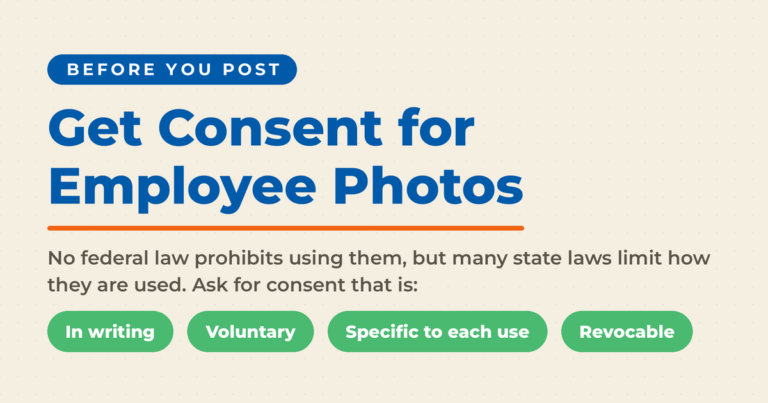
- Ask for explicit permission before reposting
- Create clear terms and conditions for contests
- Credit creators when you share their content
- Have a documented process for rights management
Influencer Disclosure Requirements
The FTC requires clear disclosure of paid partnerships. Your influencers must:
- Use #ad, #sponsored, or platform partnership labels
- Make disclosures impossible to miss (not buried in hashtags)
- Disclose even if they received free product
Non-compliance can result in fines for both the brand and the influencer.
AI-Generated Content
Copyright for AI-generated content remains murky. Best practices:
- Don’t claim exclusive copyright on pure AI outputs
- Always fact-check AI-generated information
- Consider transparency about AI involvement in your content creation
Frequently Asked Questions About Social Media Campaigns
Small businesses commonly budget around 7-8% of revenue for marketing overall, with social media one piece of that, while larger brands invest significantly more during peak seasons. You can still run an effective organic campaign on very little if you put in the time and creativity.
Most campaigns run between two weeks and three months. Short campaigns of two to four weeks work well for product launches or events that need urgency. Longer campaigns of two to three months are better for building brand awareness or generating sustained leads. Match your timeline to your objectives.
Absolutely. Small businesses have advantages big brands can’t replicate: authenticity, direct customer relationships, and niche expertise. By focusing on UGC, community building, and genuine storytelling, small businesses consistently outperform larger competitors in engagement rates.
The most important metric is whatever directly ties to your stated objective. If your goal was awareness, track reach and impressions. If it was sales, track conversions and revenue. Vanity metrics like follower counts matter far less than metrics aligned with your actual business goals.
Respond quickly, professionally, and publicly when appropriate. Acknowledge concerns, take detailed conversations to private messages, and never delete legitimate criticism. How you handle negativity often matters more than the criticism itself. Prepare response guidelines before your campaign launches.
Ready to Launch Your Campaign?
You’ve got the framework, the examples, and the warnings. Now it’s time to act.
Your Pre-Launch Checklist
- Objectives are SMART and documented
- Audience personas are specific and researched
- Platforms selected based on audience presence
- Content calendar complete with phase-based planning
- Participation mechanisms built into the campaign
- Budget allocated with room for A/B testing
- Baseline metrics captured before launch
- Analytics tracking configured
- Team roles assigned and clear
- Legal review complete (disclosures, rights, permissions)
What Happens After the Campaign Ends
The work isn’t over when your campaign wraps up.
Analyze ruthlessly. Dive deep into the data. What worked? What didn’t? Why? This is where most marketers drop the ball.
Report and share. Document your findings for your team and stakeholders. Celebrate wins. Own the misses.
Apply learnings. Use insights to improve your next campaign. Social media marketing is iterative. Every campaign makes the next one better.
Maintain relationships. Keep nurturing the community you’ve built. Don’t disappear. The trust you built during the campaign is an asset.
For ongoing guidance, check out my social media strategy template or grab the preview of Digital Threads for a complete playbook on modern digital marketing.
If you’re looking for hands-on help building your social media strategy, learn about my Fractional CMO services or join the Digital First Group Coaching Community where I work directly with entrepreneurs and marketers like you.
Now go make some noise. Strategic noise, that is.