



Social media marketing in general is a highly effective way to reach out to customers and build a brand community. However, this is an area that has evolved quite a bit over the years. It used to be that simple organic posting from brands was enough to get noticed. Advertising was available as well, but both could coexist easily. Nowadays, there’s a lot more pay-to-play. With that said, we have plenty of advertising options – and one of the newer and most powerful options today is short-form video.
It’s safe to say that short-form video is the future of social media, and the future has already begun. Even Netflix is launching a short-form video platform called Fast Laughs. Fast Laughs will let people get a chuckle when they need it. And with their mobile app, this can be enjoyed just about anywhere. Similarly, YouTube has introduced Shorts, many of which are funny.
The bottom line is clear. Use short-form video or be left out of the conversation by entire generations. Young people are especially drawn to short-form video, as evidenced by the young demographic of sites like TikTok. However, this isn’t the only reason to embrace this format. As you will learn there are many other reasons and benefits of using short-form video.
Key Takeaways
✅ Short-form video is the cheapest video you will ever make, because you already made it. One long recording is a clip factory. I fed an hour-long interview into a repurposing tool and got back about thirty suggested cuts, running from fifteen seconds up to two and a half minutes.
✅ A weekend of work can fill a month of calendar. Working from two YouTube recordings, I built and scheduled roughly twenty-five finished short videos in a single weekend. At three posts a week, that is over a month of content out of two sessions.
✅ Pick your tool before you pick your topic. I tested ten short-form video editing tools and nine of them failed on something basic, from missing auto framing to no way to import a YouTube video.
✅ Post the same clip everywhere, then let the numbers pick your platform. I published identical videos to YouTube Shorts, Instagram Reels, and TikTok. The view counts were nowhere near each other, and TikTok was well ahead for my B2B audience.
✅ One video, one idea. Every platform has raised its length limit, and that has not changed the rule. A viewer finishes a video that makes a single point, and finishing is what earns you the next viewer.
What is Short-Form Video?
Short-form video has no official definition, and platform limits stopped being a useful guide years ago. Every major network has raised its ceiling, several of them more than once, and some now accept an hour-long upload in the same feed as a fifteen second clip. The working definition most marketers use is under sixty seconds, shot vertically, made to be watched with the sound on and finished in one sitting. Judge a video by whether people watch it to the end, not by which upload limit it happens to fit under.
You sould note that maximum video length on many newer social media platforms (which I will discuss below) are much shorter. In these situations, short-form video is your only option. Users have needed to learn how to present their message quickly. That’s true whether you’re cracking jokes or presenting a more serious message. Humor is very effective, of course, but it isn’t always appropriate in short-form videos depending on topic.

The engagement data backs that up. Vidyard analyzed nearly a million business videos and found that 65% of viewers watch a video under one minute all the way to the end, against 20% for videos running past twenty minutes. Retention drops at every step up in length. If a picture is worth a thousand words, a few well-cut seconds of video is worth ten thousand. Sometimes less really is more.
The 5 Biggest Benefits of Short-Form Video Marketing
In this article, I’ll look at the benefits of short-form video in two major chunks. The first five are seriously major benefits, while others are less important. Nonetheless, all of them should be considered when forming your video marketing strategy. Overall, the major theme is that video helps your customers. In fact, 93% of them admitted in a survey that it helps them decide what to buy. Furthermore, customers find video preferable to photos or articles when looking into something new.
1) It’s perfect for declining attention spans
People finish short videos because they are over quickly, which is exactly what the retention gap above shows. It could be that old-fashioned TV and radio commercials had the right idea. Because they are bought by the second, we typically keep those ads short and sweet. In this sense, we have come full circle from short traditional ads to long infomercial-like tutorials, and back.
But why is this? Well, many of us believe that American consumers suffer from a short attention span. Many fashions and trends come and go rather quickly. In addition, with less leisure time and more overall stress, time comes at a greater premium. If something isn’t rewarding, we tend to abandon it. On the other hand, compelling content keeps us interested much longer.
2) It’s easy to distribute to, and is ideal for, social media
Social media loves short-form video. In fact, the Giphy is common on social media, where it became a consistent source of comedy. In other words, short-form video is a staple here. Even YouTube has a lot of shorter videos. Plus, there are plenty of social media options, depending on your target audience and product lines.
Better yet, consumers love it. In fact, many stats point to the fact that video in general is what they’d rather get from brands. This is especially true on Facebook, Instagram, and YouTube, where consumers look for new products and services. When you think about it, this makes a lot of sense. Each of these networks are places where people hang out with their friends and relax. But at the same time, people exchange ideas and their favorite products.
Although the statistics I mention here are more relevant to B2C brands, there is some carryover to B2B brands. In this case, you’d distribute the video through LinkedIn, Twitter, and newsletters. With video, the decisionmakers can rest their eyes from all the reading. In addition, they can watch the video on their phones or tablets while commuting.
3) It’s easier for viewers to remember
As a general rule, the shorter, the more concise, the less fluff, the more impactful. If you’ve ever sat in a meeting and felt like you missed the whole point because of what someone said after the main point, you know what I mean. Besides which, sometimes leaving “food for thought” is a highly effective way of making your point. Super Bowl commercials often feature this technique by being over the top.
4) It’s easier to repurpose
You can splice a longer video into many short ones, and you can also build short-form video out of images, audio, and text. That second option is useful when you want the same look running through a whole campaign. The bigger win is distribution. One finished clip usually posts to every network without changes, and the only edit is often trimming it to fit a platform limit. Apply the same habit to your written work as well, since content repurposing is where most of the hours you save actually come from.
5) It’s what’s popular today
Do you want the best engagement in social media? It’s all about short-form video! So much so, in fact, that the TikTok revolution in short-form video is forcing other networks to debut short video aspects of their overall platforms. Finally, social media algorithms are clearly surfacing more of this content as it is engaging. They’ve always favored video and other content with high engagement rates, and it shows here.
11 Types of Short-Form Video to Include in Your Video Marketing Strategy
There are so many types of short-form videos that you can do that you should never run out of ideas. In addition, you should be able to find something which will fit just about any campaign type. Even traditionally long form video ideas are adaptable to shorter versions. If YouTube is your main channel, there is also a dedicated list of Shorts ideas built for that feed. Here are some starters.
1) Product Demos Focusing on the Features and Benefits of Your Company’s Products and Services
Most of us are used to these in longer formats. However, not all demos need to be complicated. In fact, many products are easy to use and enjoy. Not only that, but we don’t really need to see all the little bits of the process. For this video type, it’s mostly important to sell people on the possibilities.
2) Product Tutorials, How Tos, and Educational Videos of Your Company’s Products and Services
This one is similar to the above. However, there might be more creativity, or focusing on the “how” more than the why. At the same time, though, you still want to get right to the point. For instance, in a cooking tutorial, there’s no reason to display the time something sits in an oven. Instead, focus on what’s essential to keep the length down and remain persuasive. According to some statistics, 84% of consumers have decided to buy something because of branded video.
3) FAQs – Responding to Customer Questions
These are a great way to dialogue with your fans and other members of the brand community. Collect questions via Twitter, Facebook, or an online contact form. Then, make a video that responds to the more common questions. To keep these in a short-form video format, consider doing one question at a time. As a bonus, this lets consumers watch only those vids that they feel are relevant.
4) Behind the Scenes Videos
For something that’s both educational and fun, try a behind the scenes look at your company. They have the added benefit of building rapport with people that are interested in your products and services. In other words, it helps your corporate entity lose its impersonal feel. The same footage can also feed a longer brand video about who your company is and what it values.
Is Your Digital Marketing All Over the Place?
My latest book helps small businesses, entrepreneurs, and marketers bring search, email, and social together into one digital marketing strategy that actually compounds.
Drawing on my work as a Fractional CMO, Digital Threads turns complicated tactics into a clear, practical plan you can follow, whatever your budget or team size.
Grab your copy on Amazon and start weaving your own digital threads. Click the cover or the button below to get started.

5) Teasers for Upcoming Events, New Products or Long-Form Video
Not everything can be properly said using short-form video. To that end, consider using this format in a manner that’s similar to a movie preview: giving people a look at what you have to say in the main feature. This way, they can decide if they’d like to watch it or not. Same goes with event or product announcements. Consider pairing these with landing pages.
6) Live-Streaming Events
Surprisingly, livestreamed events can be made into short-form video. Probably the easiest way to do this is livestreamed announcements. Maybe your company is releasing the greatest development in the history of your industry. Or at least, it’s a major breakthrough. Use short livestreams to get people excited.
7) Highlights of Past Events
Think “office picnic recap” here. Especially if your company does events, it’s often advantageous to show a few of the best moments from the latest get-together. Or virtual event, for that matter. These short-form video examples get people excited about future events, or they help consumers gain a connection to your community. Consider a series showing different moments in each one.
8) Messages Directly from Executives
If you want a great way for executives to build a connection with consumers or other decisionmakers, check this one out. One example here might be to introduce the brand and its values. Another one might involve the executives talking about why they love being part of the company. Either way, it’s effective: If a CEO has a social media presence, then 70% of consumers will feel more connected to that particular brand.
9) Reviews & Customer Testimonials
Here’s one place where social proof can come into play. A lot of people like to be sure that something is good before they buy it. And when they hear from other end users, it’s a powerful tool. Of course, in some situations this same short-form video can help someone select between two products made by the same company. When that happens, it’s usually because that person is trying to meet more specific needs.
10) User-Generated Content (UGC)
A large share of short-form video is made by customers rather than brands, and that is good news for you. A fifteen second clip filmed on a customer’s phone carries a credibility that a brand studio cannot buy, because it never passed through your approval process. The catch is that it will not show up on its own. Ask for it in a post-purchase email, run a branded hashtag, or publish a simple repost policy so people know you want it. This guide to user generated content covers the collection and permission side in more detail.
11) Leveraging Trends
Finally, short-form video can be used to leverage trends. This is what TikTok is all about! Generally speaking, TikTok has a reputation for young, hip users. On the other hand, before TikTok was all the rage, we had other platforms fulfilling this function. Remember, trends are always an important part of marketing and should be leveraged as appropriate.
The Best Platforms for Short-Form Video Distribution
Now that you understand the reasons behind using short-form video, and the types to consider, let’s think about distribution. As we all know, posting everything to your website isn’t always beneficial: it takes up a lot of space on your servers! Plus, going this route is less effective for reaching your customers. It’s usually better to meet them where they are. With that in mind, here are some better options.
TikTok
This is the platform that really put shorts on the map, and its limits have moved several times since. Recording inside the app now runs to ten minutes, and uploading a finished file goes considerably further, though the options you see depend on your account and your region. Check what your own app offers before you plan an edit. Film vertically at 1080 by 1920, and remember that the For You feed still rewards videos people finish, which in practice means well under a minute.
Instagram Reels
Reels started at fifteen seconds and the cap has been raised repeatedly since, so two accounts can see different maximums on the same day. Check the length selector in your own Reels composer rather than trusting any published number. The IGTV workaround that older guides describe is gone, because Instagram shut down the standalone IGTV app in 2022 and folded long video into Reels and the feed. Shoot vertical at 1080 by 1920 and keep anything important away from the edges, where the interface covers it.
Instagram Stories
A single Story clip now runs up to sixty seconds rather than the old fifteen, and a longer upload splits into consecutive clips instead of forcing you to cut it yourself. That does not mean you should use the full minute. People tap through Stories quickly, so most of yours should sit in the five to fifteen second range with one point per frame.
YouTube Shorts
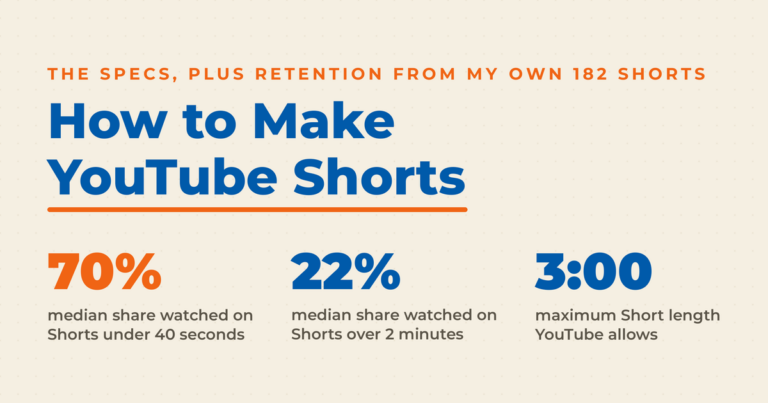
YouTube Shorts now run up to three minutes, and any square or vertical video you upload under that length is classified as a Short automatically. Aspect ratio decides it, not a hashtag. Watch the one minute mark, because a Short longer than that with an active copyright claim gets blocked worldwide, so be careful with your music choices. Shorts also stay on your channel as archived videos, which keeps them working for you after they drop out of the feed. If you are starting from scratch, my walkthrough on how to make YouTube Shorts covers recording and posting from the app.
Pinterest Video Pins
Pinterest no longer has a separate Idea Pin. In 2023 Pinterest merged Idea Pins and regular Pins into one format, and organic creation now runs through a single Create Pin flow that handles images and video together. Existing multi-page Idea Pins were converted into video Pins. Post a vertical video Pin at 9:16 if you want your TikTok or Reels content to work here, and add a link, which every Pin can now carry.
Facebook Reels and Stories
Facebook Stories still works as a second home for whatever you posted to Instagram Stories, but Reels is where the reach is. In June 2025 Meta announced that every video uploaded to Facebook is now shared as a Reel regardless of length or orientation, and the Video tab became the Reels tab. Post your vertical clips as Reels and treat Stories as the extra placement rather than the main one.
LinkedIn Video
LinkedIn Stories no longer exists. LinkedIn removed the format at the end of September 2021 and said it would put the effort into a richer short-form video experience instead. Short video now lives in the main LinkedIn feed, where it sits alongside everything else your connections see. Record vertical, upload it as a normal post, and let the feed do the work.
Instagram / Twitter / Facebook / LinkedIn / Pinterest Posts
You can also post short-form video as a regular feed post on the main social networks. Every platform accepts vertical video in the feed, and the caps there now run far longer than anything you should actually be publishing. Treat the feed as a second home for a clip you already made for Shorts, Reels, or TikTok.
Frequently Asked Questions About Short-Form Video
Under sixty seconds is the working definition most marketers use, even though every platform now allows much more. YouTube Shorts run to three minutes, as noted above, and TikTok and Instagram Reels have both raised their limits repeatedly. None of those ceilings is a target, so judge a video by whether people finish it.
Short enough that viewers watch to the end. My own rule is one idea per video, which usually lands somewhere between fifteen and sixty seconds. Go longer only when the idea truly needs the extra time, not because the platform allows it.
No. I burn captions into the video, add royalty-free background music, and post the same file to all three. What changes is the result rather than the video, so publish everywhere and let each platform tell you where your audience actually is.
Record one longer piece and cut it up. A podcast interview, a webinar, a live stream, or a plain talk to your phone camera all work as source material. That is why I suggest starting with a repurposing tool rather than a full editing suite.
Yes, though the distribution looks different. My own content is B2B education, and the clips I make from podcast interviews have found their largest audience on TikTok, which surprised me. Short video gives a decision maker something to watch instead of another article to read.
The Final Word on Short-Form Video
With all the options for short-term video these days, there’s little reason not to use it. In fact, increasingly this type of marketing material is becoming critical if you want to reach younger consumers. Even B2B brands are finding out just how valuable it is. Leverage short-form video and figure out how to repurpose it for maximum benefit or get left behind.




This web site doesn’t render properly on my droid – you may wanna try and repair that
Appreciate the heads up!