
If you’re running an online store today, you know one hard truth: you can’t rely on ads to your target audience alone to grow. As a Fractional CMO who has worked with ecommerce brands, I’ve seen SEO transform stale product pages into revenue engines — when done right.
In this guide, I’ll break down the ecommerce SEO strategies that can help your store rank higher, attract the right customers, and convert that organic traffic into real sales.
Key Takeaways
✅ Organic search compounds while paid ads keep charging you. Build ecommerce SEO now and it keeps bringing ready-to-buy customers long after ad costs rise.
✅ Chase commercial intent, not just volume. Product, category, long-tail, and informational keywords each pull a different kind of shopper toward your store.
✅ On-page optimization is where your keywords earn their keep. Write unique product and category copy, optimize title tags and meta descriptions, and give every image a descriptive filename and alt text.
✅ Technical health sets your ceiling. A secure, fast, mobile-first store with clean canonical tags, XML sitemaps, and structured data gives search engines something to trust.
✅ Content and backlinks build authority beyond product pages. Blog posts targeting “best,” “top,” and “vs” queries, plus links from roundups, HARO, and niche partners, extend your reach across the buyer journey.
✅ SEO is never one-and-done. Audit regularly for duplicate content and toxic links, then track organic traffic, rankings, conversion rate, and revenue to know what’s working.
What Is Ecommerce SEO and Why Does It Matter?
Ecommerce SEO is SEO for online stores. It is used to optimize product, category, and blog pages for search engines, to make sure your store is being seen in search results.
Organic traffic from keyword research and solid SEO strategies will always beat paid, because it speaks to customer behavior and psychology, rather than relying on paid targets. SEO helps you meet customer needs and answer customer questions.
The first page of search engine results gets 86% or more of clicks, as you can see in the below image. Furthermore, 87% of ecommerce shoppers will always or regularly complete extensive research before buying a product. Technical SEO for these pages can make a huge difference.

SEO may only be one facet of your digital marketing strategy, but it is not a facet that should be overlooked. A balanced digital marketing strategy will include targeted ads, content creation, and social posts, as well as thorough search engine optimization.
How Search Engines Rank Ecommerce Sites
Search engine ranking can be difficult to understand on its face, but there are three important components to understand in order to do well in search results. These components are crawling, indexing, and ranking.
Crawling is the process of systematically rooting through websites, and identifying the content on that site. From product pages to blog posts, crawling is essentially a search engine getting to “know” a site.
Indexing is the process of categorizing a site after crawling. It can be seen as organizing according to type, like products on a shelf, or books in a catalog.
Ranking is the final step in the process, wherein search engines deliver results according to what they have discovered in the crawling and indexing process.
Key Ranking Factors
Now that I have gone over how search engines pull up search results, let’s take a closer look at the most important ranking factors to work on. These include:
- Site speed, UX, mobile-friendliness. The speed, user experience, and mobile friendliness of a site can be the difference between search engines ranking you highly and dropping you to the bottom of the barrel.
- Content quality and uniqueness. The quality of your content also matters to search engines. Throwing up poorly-written or poorly-researched content or content that reads like everyone else’s will ultimately harm your SEO ranking.
- Backlinks and authority. Authority is important, because it indicates that your site can be trusted. Backlinks, or links back to your site, can be a great way to build authority.
- Structured data (schema). Structured data is data that you place on the back end of your website to further instruct search engines regarding your site and what it contains.
Google Shopping, Images, and Search Generative Experience (SGE) can also impact ecommerce SEO. All of these components can be used as part of your overall SEO strategy to help your site rank well.
Ecommerce Keyword Research: Finding Commercial Intent Keywords
Finding the right keywords is the backbone of successful ecommerce SEO — but it’s not just about high search volume. To drive traffic that actually converts, you need to target keywords with clear commercial intent that match what your ideal customers are ready to buy.
Types of Keywords to Target
As you conduct keyword research, there are several different keyword types you want to target. The different types I have found most valuable include:
- Product-focused keywords: Keywords that focus on products may include phrases such as, “Buy noise cancelling headphones.” This phrase can be used in your content.
- Category-level keywords: Category keywords are great to link back to product pages or use as part of your schema. A clothing shop may use the key words “women’s running shoes.”
- Long-tail and niche modifiers: These modifiers will help fine-tune your keyword strategy and might include specific keywords such as “vegan leather tote bag.”
- Informational keywords for blog content: For this category, think specific questions or phrases, such as “How to care for leather bags,” and use those in your content.
Keyword Research Tools and Tactics
Amazon Suggest, Google Autosuggest, and “People Also Ask” are all great tools to help identify keywords to include in blog posts, product pages, and schema.
Ahrefs, Semrush, and Keyword Planner are tools dedicated to helping users identify short and long-tail keywords to use in their SEO strategy. They can also be used to help identify the best keywords to use in meta descriptions and other areas of your site.
A competitive analysis can help you generate content, write product descriptions, and even develop social content. Find the keywords top stores rank for, and make use of that information to develop your site.
As you create your content and product descriptions, make sure your keywords are aligned with buyer intent and search volume. This will allow your site to come up in response to common questions.
On-Page SEO for Ecommerce Websites
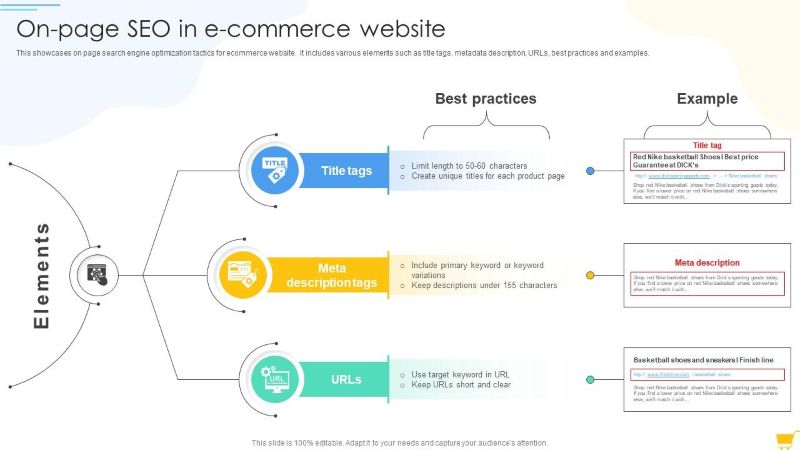
On-page SEO is where your keyword strategy comes to life — it’s all about optimizing each product and category page so search engines (and customers) immediately understand what you offer. Done right, it makes your pages more discoverable, relevant, and persuasive to shoppers ready to buy.
Make LinkedIn Your Best Source of Clients
My latest book helps professionals, entrepreneurs, and business owners turn LinkedIn from a static profile into a real source of clients and growth.
Maximizing LinkedIn for Business Growth gives you clear, practical steps to build a profile that gets noticed and a network that actually sends business your way.
Grab your copy on Amazon and put it to work this week. Click the cover or the button below to get started.

Product and Category Page Optimization
Unique, keyword-rich product descriptions are essential for your site structure. Manufacturer copy is not best here; instead, your content should reflect a more creative and intentional introduction to a product.
Title tags and meta descriptions are vital for clicks, so optimize both. Meta descriptions allow search engines to more thoroughly understand your site and its content.
High-quality images, descriptive filenames, and accurate alt text are all valuable, as well. These can help improve user experience scores, and can make your site appear polished and professional.
Customer reviews can be added for fresh, relevant content, as well. Product reviews help build trust, and can help your customers come up with ideas on how to utilize the products you offer.
SEO-Friendly URLs and Site Structure
URLs should be kept short, keyword-focused, and logical. A simple domain.com/category/product will do, over a more complicated line of text.
Breadcrumbs and clear hierarchy make it easy to navigate your site. Site architecture matters! Make sure your site is easy to navigate.
Finally, make sure that there is not a single product page more than 3 clicks from your homepage. This will help you score well in a site audit, and will make sure your audience can successfully move around your site.
Internal Linking
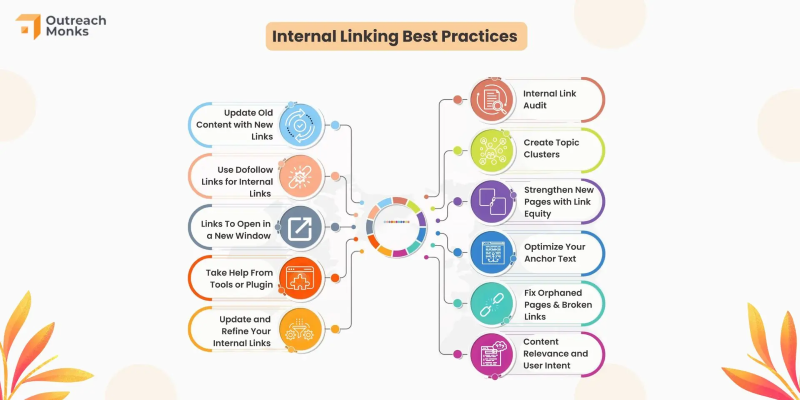
Internal links help users navigate your site, as well. Links from blogs and high-traffic pages to key products and categories can help build a site architecture that is easy to navigate.
Anchor text is more important than many people recognize. To strengthen topical relevance, use all internal link anchor text wisely.
Schema Markup
Structured data for products will help perform well in a site audit. Price, availability, and reviews can all improve product page schema markup.
Rich snippets can boost CTR in search results, as well, so make sure you include information like price and availability to increase your likelihood of getting clicks.
Technical SEO Essentials for Ecommerce Stores
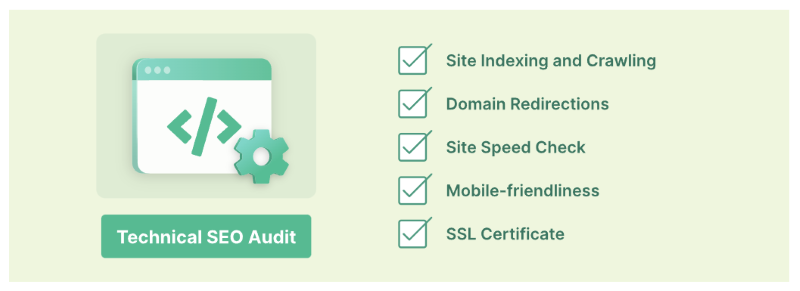
A secure site is vital for ecommerce. Make your site secure by installing a proper certificate, to ensure data is encrypted and therefore safe.
Mobile-first indexing is another important part of technical SEO. Your store must be able to perform flawlessly on mobile, in terms of site speed, site architecture, and overall function.
Improve page speed, as well. To improve user experience, compress images, use lazy loading, and consider a CDN. All of these steps can help your site load faster, improving user experience and lessening the likelihood of navigating away from frustration.
Canonical tags can help handle duplicate content, including faceted navigation. A canonical tag can clearly direct search engines to the preferred page.
XML sitemaps can be submitted and used to fix crawl errors. Crawling errors can ultimately harm your SEO performance.
Finally, use Google Search Console for ongoing health checks. This tool can help you identify any areas in your technical setup that need to be looked at or altered.
Content Marketing for Ecommerce: Beyond Product Pages
The focus is often on product pages, but product pages are not the only means of reaching your audience. Blogs are a great way to drive relevant organic traffic at all stages of the buyer journey because they are not overt, and can encourage purchases via information and keyword placement.
Commercial investigation queries like “best,” top,” and “vs” can help improve blog visits. Focus on those queries to make sure that your product data is actually reaching your audience in organic search results.
Product-led content can also be valuable. Reviews, comparisons, and how-tos are all popular ways to develop evergreen content for your ecommerce site, to effectively drive audiences to your site as you compare products or produce gift guides.
Finally, consider encouraging user-generated content. Reviews, photos, and FAQs can all help build trust and establish your brand as an authority.
Link Building for Ecommerce Sites
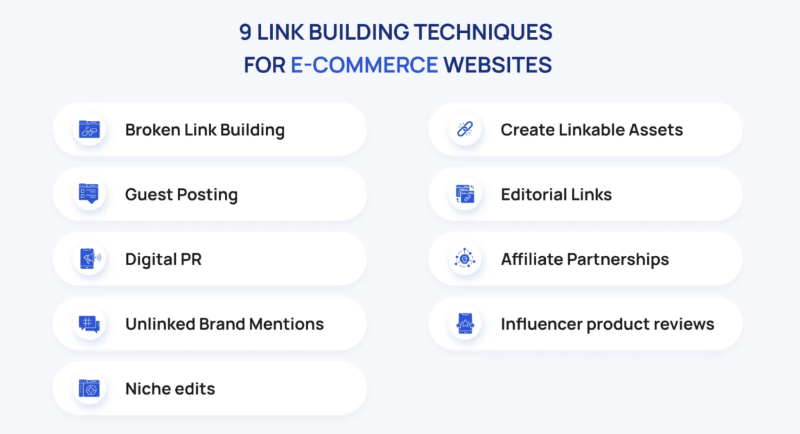
Backlinks are an important part of building site authority. When sites link back to you, it shows that others consider your content valuable. Some useful tactics for link building include:
- Reach out for product mentions in “best of” lists. If you are not sure, just ask!
- Use HARO to be a source for journalists. When you create valuable and high-quality content, you offer your site up to be a useful source for journalists to refer back to.
- Build partnerships with niche influencers and bloggers. Building partnerships is one of the more organic approaches, and you may find yourself showing up without dedicated backlink outreach.
Toxic links are a possibility, so keep a close eye on backlinks for your site, and disavow those links if necessary.
Common Ecommerce SEO Mistakes to Avoid
Duplicate and thin content are common mistakes, especially across different product variations. Duplicate content can come across as spam, so it should be avoided whenever possible.
Technical SEO issues can wreak havoc. Slow sites, broken links, and orphan pages can all damage your SEO performance, so conduct regular site audits.
Keyword stuffing and irrelevant keyword targeting can also flag your site as spam or unreliable. Use keywords carefully and intentionally, and target only one general keyword or phrase per page or piece of content.
Mobile user experience and schema markup are also valuable. If you do not value these components of ecommerce SEO, your site can experience negative impacts, including low search engine rankings.
Finally, remember that SEO is not a one-time project. Instead, SEO must continually be reviewed and reworked to make sure your work is continuing to rank in search.
How to Measure Ecommerce SEO Success
I have put together a guide, but how do you know that your ecommerce SEO practices are successful? To make sure that your SEO is actually performing well, evaluating the following:
- Key metrics: Organic traffic, keyword rankings, conversion rate from organic, and revenue impact. When your traffic is high, your keywords rank, you see a decent conversion rate, and you see revenue impact, you can evaluate your ecommerce SEO success.
- Tools: Google Analytics, Google Search Console, Ahrefs, and Semrush can all be used to improve your SEO ranking.
- Competitor Success. Monitor competitors to spot new opportunities for your business or brand.
My SEO Process for Ecommerce Clients
If I were working with a Fractional CMO client who has the budget and resources to do search engine optimization right, this is the ecommerce SEO process I would implement, and the same approach I recommend to any brand serious about growing long-term organic traffic, conversions, and ROI. Most brands hand at least part of this list to an outside team, which is why I put together a buyer’s guide to ecommerce marketing agencies that walks through what to ask before you sign anything.
1. Comprehensive Technical Audit & Site Health Fixes
- Site Architecture & URL Structure
- Crawl Budget Management & Indexation Control (including canonical tags, robots.txt, XML sitemaps)
- Page Speed & Core Web Vitals
- Image Optimization & Alt-Text
- Mobile-Friendliness
- Schema Markup Implementation for Rich Snippets (product, review, FAQ, etc.)
- Analytics & Search Console Integration
2. Smart Keyword Strategy
- In-depth Keyword Research for Transactional (product & category pages) and Informational (blog posts, guides) keywords, including long-tail keywordsIntent
- Mapping to the Entire Customer Journey
3. Conversion-Focused Content Improvements & Product Page UX/CRO Review
- Refresh & optimize existing content for relevance, conversions, and engagement
- Creation of new blog and resource content to target informational keyword gaps
- Product page UX improvements: clear CTAs, trust signals, reviews, optimized layouts, and frictionless checkout flow
4. Optimization for LLMs & Search Generative Experiences (SGE)
- Structured, well-organized content that’s easy for AI models to interpret
- Multi-modal assets (images, videos, infographics) to support user intent
- E-E-A-T best practices and updated schema for generative SERPs
5. Strategic Backlink Profile & Digital PR Strategy
- Backlink audits to identify opportunities and fix toxic links
- Link reclamation (e.g., suppliers, partners, distributors)
- Targeted digital PR campaigns, guest features, and authority placements to build trust and domain authority
6. Measurement, Clear Reporting & Continuous Optimization
- Actionable reporting dashboards connecting SEO performance to ROI and revenue impact
- Funnel-based metrics tracking to identify opportunities at each stage
- Ongoing testing, refinement, and iterative improvements
Frequently Asked Questions
Ecommerce SEO is a long-term investment, not a quick win. Foundations like technical fixes, keyword-aligned pages, and fresh content take time to compound in the rankings. Once they do, that organic traffic keeps paying off without the ongoing cost of ads.
Organic search usually beats paid over time because it meets shoppers who are already searching for what you sell. That said, SEO is one facet of a healthy strategy. The strongest ecommerce brands pair SEO with targeted ads, content, and social so no single channel carries all the weight.
Focus on commercial-intent keywords that match what buyers are ready to purchase, not just high-volume terms. Target product keywords like “buy noise cancelling headphones,” category keywords like “women’s running shoes,” and long-tail modifiers like “vegan leather tote bag.” Save informational keywords like “how to care for leather bags” for your blog content.
Go where the giants are too broad to win. Target specific long-tail and niche keywords, publish genuinely useful content, and earn backlinks that build your authority over time. If you also sell on marketplaces, optimizing your Amazon SEO alongside your own store helps you capture demand in both places.
Traffic only matters if it converts. Commercial-intent keywords bring in shoppers who are closer to buying, and on-page work like clear product copy, reviews, and fast pages turns more of those visits into orders. Pairing SEO with steady ecommerce conversion rate improvements is what connects rankings to revenue.
Final Thoughts on Mastering Ecommerce SEO for Sustainable Growth
Mastering ecommerce SEO is never a one-and-done tactic — it’s a consistent investment in your store’s long-term growth. The sooner you build the foundations, the sooner you’ll outlast rising ad costs and keep bringing in qualified, ready-to-buy customers.
As someone who’s helped brands scale sustainably through smart SEO, I encourage you to take action on these steps — and if you need guidance implementing them for your unique business, let’s connect. Your organic growth starts here.