Big Brand Tactics for Small Business Success
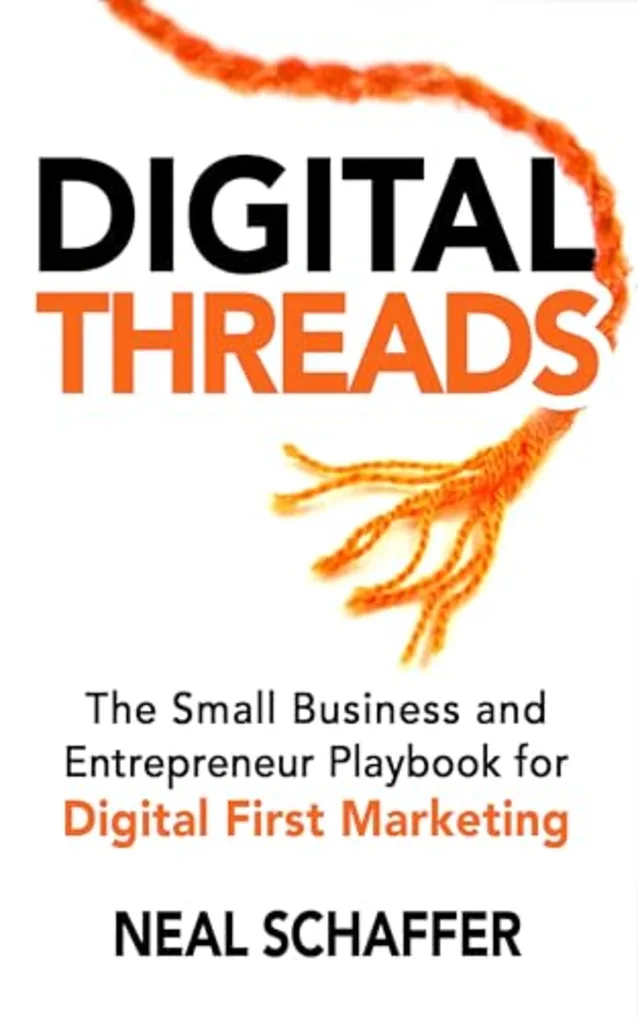
Get a free preview of Digital Threads, the award-winning playbook that connects search, email, and social media into one system.
If you’ve been searching for how to become a digital marketer, chances are you’ve already run into dozens of articles listing the same steps: take a course, get certified, apply for entry-level jobs. But if your goal is more than just getting hired — if you want to build a strategic, sustainable, future-ready marketing career — then you’re in the right place.
I’ve hired and mentored dozens of marketers throughout my career as a Fractional CMO, digital marketing consultant, university educator, and corporate trainer. In this guide, I’ll not only walk you through how to break into digital marketing, but also how to stand out, grow faster, and eventually position yourself as a strategist, leader, or even a solo consultant — if that’s your path.
✅ Skills get you hired, credentials get you interviews. Every marketer I have hired was chosen on demonstrated work, not on the certificate list at the bottom of the résumé.
✅ Pick one specialty before you try to know everything. SEO, paid, social, content, and email each reward depth, and depth is what gets you paid early in a career.
✅ A portfolio is the fastest shortcut to credibility. A blog, a newsletter, or one nonprofit client you actually got results for will outperform a year of coursework.
✅ Visibility compounds faster than applications do. Publishing what you are learning in public turns your search for opportunities into opportunities finding you.
✅ Tools are the delivery mechanism, not the job. Platforms change every year, so invest in strategy, writing, and data interpretation, which do not.
Digital marketing is the use of online channels — like social media, search engines, email, content, and advertising — to promote products, services, and ideas. Whether you’re selling SaaS, skincare, or your own expertise, digital marketing is how you reach and influence your audience online.
It’s also one of the most in-demand skill sets in the modern workforce. Every business, from high-growth startups to independent consultants, needs someone who can attract, engage, and convert an online audience.
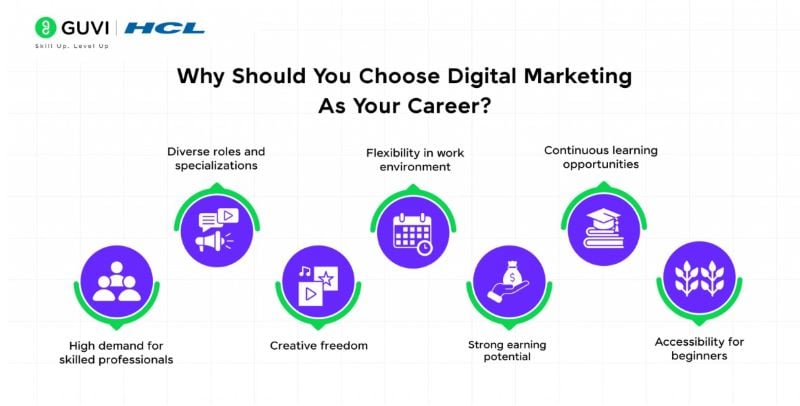
Digital marketing is a great fit for creatives, analysts, strategists, and communicators alike. You might be a good fit if you:
You do not need to enjoy or prefer all aspects of digital marketing. By enjoying even a portion of these components, you might find yourself enjoying a career in the field. If you are still deciding whether this is the right direction, start with the basics of what digital marketing is and then look at how digital marketing and social media marketing overlap, because most people entering the field confuse the two.
There’s no single way to become a digital marketer. Here’s a look at how the traditional path compares to the modern, self-directed one:
| Traditional Path | Modern Path |
|---|---|
| Bachelor’s degree in marketing or business | Self-taught via blogs, YouTube, online courses |
| Internship → coordinator → specialist | Build a blog, grow a social presence, freelance |
| Corporate agency or department | Creator economy, solo consulting, fractional |
| Certifications after formal education | Certifications alongside hands-on experimentation |
Both paths can lead to success, and the key is building real skills, showing results, and continuing to learn. Digital marketing efforts can come from many avenues and you can find success in plenty of different ways. If you are taking the self-directed route, a reading list is the cheapest structure you can give yourself, and I keep one current in my roundup of the best marketing books, sorted by subject so you can start with the area you are weakest in.
From search engine optimization to how to leverage your social media platform, there are steps to take to learn digital marketing skills to improve your digital marketing strategies. I have put together my must-have steps to effectively create a thriving digital marketing business. These steps include:
Start developing soft skills by understanding the different specialties within digital marketing:
Try them all — then go deep on one to start.
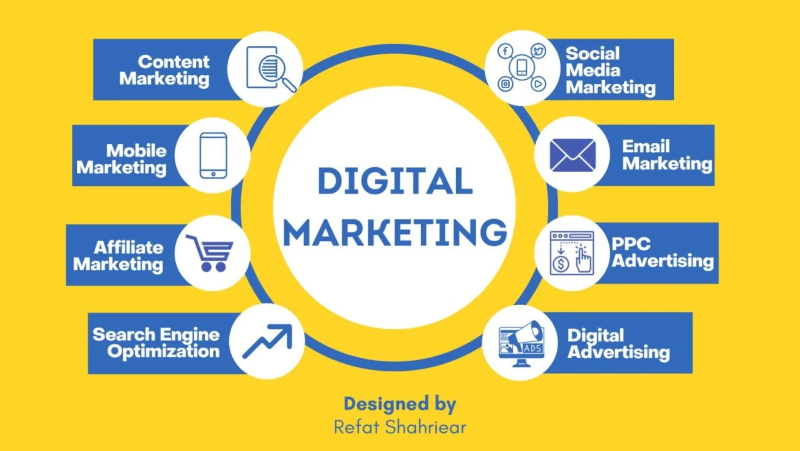
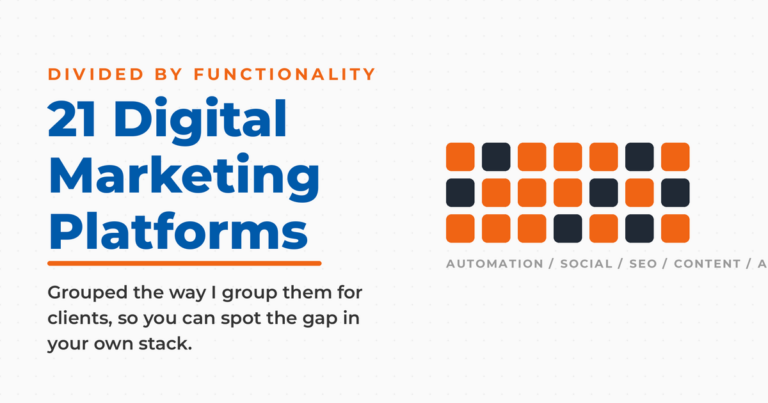
There’s no shortage of ways to learn the basics. Platforms like Google Skillshop, HubSpot Academy, and Coursera offer free or affordable ways to get started. Focus on understanding customer psychology, funnels, and messaging as much as learning tools. It also helps to see the field mapped out before you pick a lane, so spend an hour with the types of digital marketing and the digital marketing platforms you will actually be expected to know.
You don’t need to know everything. In fact, the best marketers start with a specialty and build from there. Here’s a comparison of four popular specializations:
| Specialization | Core Skills Needed | Ideal For… |
|---|---|---|
| SEO Specialist | Keyword research, content optimization | Writers and analysts |
| PPC Specialist | Paid media, analytics, budgeting | Data lovers and performance-focused marketers |
| Social Media Manager | Copywriting, design, community building | Creatives and brand storytellers |
| Digital Marketing Generalist | Strategy, channel fluency, management | Aspiring marketing leaders or consultants |
Choose based on what excites you, not just what’s trendy. If you focus on what everyone else in the digital marketing industry is doing instead of focusing on what you are excited about, you may quickly find yourself feeling burnt out or overwhelmed.
Employers and clients care about what you can do, not just what you’ve studied. Start a blog. Launch a newsletter. Offer your services to a nonprofit or local business. Show your process, your thinking, and — where possible — your results. While a digital marketing degree might sway some, good project management and marketing skills are best shown.
Opportunities often come to those who are visible. Use LinkedIn, X (Twitter), or Medium to share what you’re learning. Join marketing Slack groups and attend events. My list of social media and digital marketing conferences is a good place to pick your first one. Comment on others’ content. Reach out to people in the roles you aspire to.
Building a personal brand isn’t about vanity — it’s about building trust at scale. Digital marketing professionals cannot and should not work in a vacuum. Try your best to make connections and learn from others!
Whether you want to get hired or go solo, how you position yourself matters. Customize your résumé. Use data, not duties. If you’re freelancing, start with warm referrals, small gigs, or community projects to build your reputation and testimonials. Further down that same road sits the fractional CMO model, which is where a lot of experienced solo marketers eventually land, myself included. If you are aiming at the in-house ladder instead, read up on what a CMO does early rather than late, since the job you are climbing toward decides which skills are worth building now.
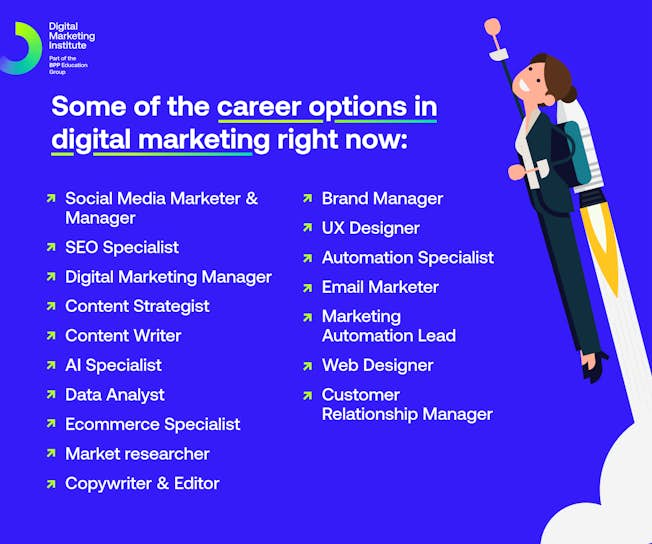
Digital marketing is one of the most versatile fields in the modern economy. Here are a few directions you can grow into:
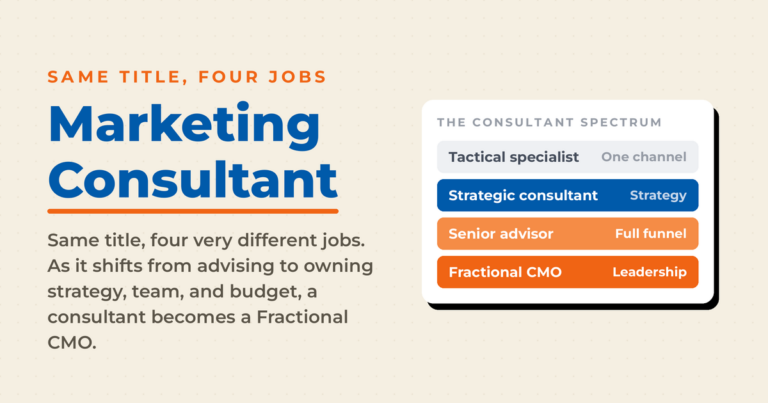
Your path will depend on your personality, values, and goals as much as your skill set. There are many ways into the field, so build the certifications and skills that fit where you actually want to end up. If the independent route appeals to you, look closely at what a marketing consultant actually does day to day. If the creator route appeals to you, the fastest credibility engine I know is to start a podcast in your niche and interview the people whose jobs you want.
My latest book helps small businesses, entrepreneurs, and marketers bring search, email, and social together into one digital marketing strategy that actually compounds.
Drawing on my work as a Fractional CMO, Digital Threads turns complicated tactics into a clear, practical plan you can follow, whatever your budget or team size.
Grab your copy on Amazon and start weaving your own digital threads. Click the cover or the button below to get started.

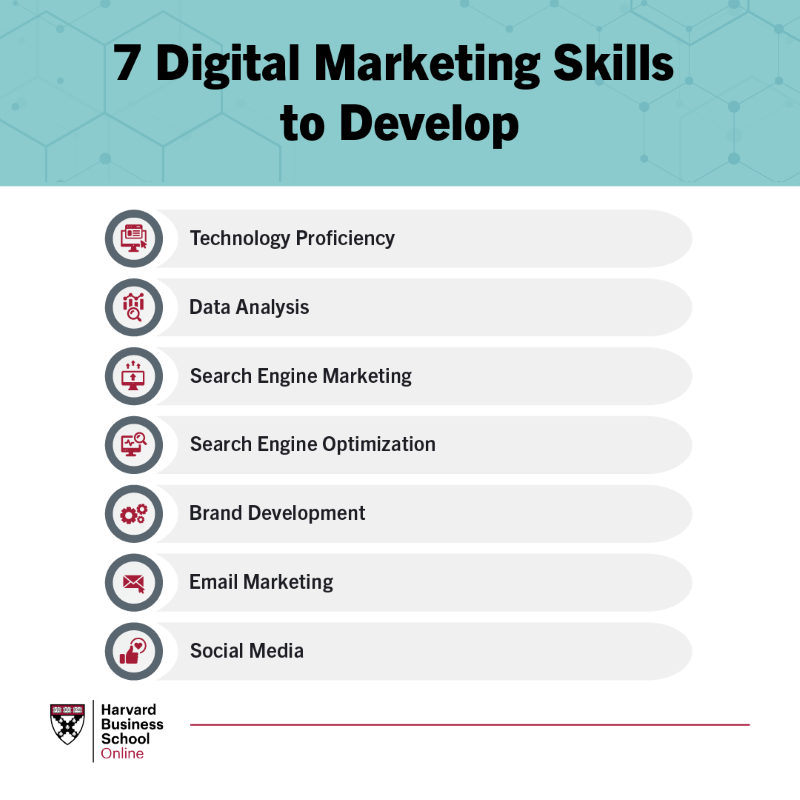
Anyone can learn how to run an ad. What makes you stand out are the strategic, creative, and human skills that drive real results These skills include:
Invest in these skills and you’ll always stay valuable — no matter how the platforms evolve.
Here’s a shortlist of tools worth getting familiar with — not all at once, but as you grow:
The goal isn’t to become a tool expert. It’s to understand how to drive results, and tools are simply how you get there. When you are ready to build out your own stack, my working list of digital marketing tools and marketing analytics tools will save you weeks of trial and error.
There is no fixed timeline, and anyone selling you one is guessing. In my experience hiring and mentoring marketers, the people who move fastest are the ones who start publishing and running real campaigns within the first month rather than finishing three courses first. Practical output shortens the runway more than study time does.
No. A marketing or business degree still helps in larger corporate hiring processes, but the modern path into digital marketing runs through self-directed learning, certifications, and a portfolio of real results. I have hired people from both paths and the work sample decided it every time.
The technical baseline is one channel you know deeply, plus enough analytics literacy to explain whether it worked. The skills that separate people are strategic thinking, clear writing, and the ability to read an audience. Those are the ones that stay valuable when the platforms change.
Start with the one you are genuinely curious about, because curiosity is what carries you through the unglamorous first year. SEO suits writers and analysts, paid media suits people who like numbers and fast feedback, and social suits people who like building community. You can add the others later.
Yes, but you have to manufacture the experience rather than wait for someone to grant it. Build your own blog, run your own social account, or offer to handle email for a local business or nonprofit. That work counts, and it is what I look at first when someone with no formal title applies.
Becoming a digital marketer isn’t about checking boxes or collecting certifications — it’s about understanding how people connect, make decisions, and take action online. The tools will keep changing. So will the platforms. But if you focus on learning the fundamentals, stacking your skills, and showing up where your audience (or future employer) is, you’ll have the foundation to succeed in this field — and grow beyond it.
Whether you want to build a career, a business, or a personal brand, digital marketing is one of the most valuable skil lsets you can invest in today. And the best part? You don’t need permission to get started.

We respect your privacy. Unsubscribe at anytime.
Practical advice on social, content, influencer, and search marketing, plus the AI tools that make each one easier. Join thousands of founders and business owners who read it.