Editorial Note: I may earn a commission when you visit links that appear on my website.
What Is Shopify? How It Works + Pricing Guide (2026)
Shopify is a cloud-based e-commerce platform that lets you build and manage an online store without coding knowledge. You get everything in one place: store design, payment processing, inventory tracking, and shipping tools. Whether you’re selling your first product or managing thousands of items, it all works from a single dashboard.
The platform handles the technical complexity for you. Security, hosting, updates. So you can focus on your products and customers. Unlike building a website yourself, Shopify provides pre-built solutions for common e-commerce challenges. No configuring payment gateways manually or writing code for checkout pages.
As someone who has advised countless businesses on their e-commerce marketing strategies and written extensively on digital commerce in my book Digital Threads, I’ve seen firsthand how the right platform choice can make or break an online business. This guide walks you through what Shopify actually does, how it works, and whether it fits your business needs. For a deeper evaluation, see my guide on whether Shopify is worth the investment.
Key Takeaways
✅ Shopify is an all-in-one e-commerce platform for building and managing online stores without coding knowledge
✅ Pricing starts at $39/month with a 3-day free trial and $1/month promotional offer for your first 3 months
✅ Built-in features include store design, payment processing, inventory tracking, and shipping tools with discounts up to 88%
✅ Sell everywhere through your website, social media, marketplaces, and in-person with Shopify POS
✅ Best for beginners to enterprise brands wanting reliable hosting and easy scalability
Quick Start: How to Launch Your Shopify Store in 5 Steps
Before going deeper, here’s what the actual process looks like:
- Start your free trial at shopify.com (no credit card required)
- Choose a theme from 100+ free and premium designs
- Add your products with photos, descriptions, and prices
- Set up payments through Shopify Payments or PayPal
- Go live by removing the password protection
Realistic timeline: Most basic stores launch within 1-2 hours. A polished, fully branded store takes a few days to a few weeks depending on development resources and the complexity of your needs.e complexity of your store needs.
What Is Shopify and How Does It Work?
Shopify operates as an all-in-one commerce solution combining store building, product management, and customer service tools in a single dashboard. Founded in 2006, Shopify presented the world of ecommerce with a revolutionary service: providing merchants and businesses of all sizes access to enterprise-level ecommerce tools.
According to recent platform data from Uptek, there are an estimated 5.6 million live Shopify stores worldwide as of early 2025. Including subdomains and multi-store setups, the total number of active storefronts exceeds 9.6 million. DemandSage reports that Shopify now serves over 875 million customers worldwide, reaching a new record in 2024.
What Does “Cloud-Based” Actually Mean for You?
Cloud-based means Shopify runs on remote servers. You access your store through any web browser instead of installing software on your computer.
The practical benefits:
- Manage your business from any device with internet access
- Shopify handles all technical maintenance and security updates
- Your store stays online 24/7 without you touching a server
- The platform scales automatically when traffic spikes or your catalog expands
According to Shopify’s official pricing page, the platform includes secure, unlimited ecommerce hosting on all plans with unlimited bandwidth for free. If you are weighing that against hosting a store yourself, this guide to ecommerce hosting lays out the alternatives.
Who Uses Shopify (and Why)?
Shopify serves everyone from first-time sellers to established brands:
| User Type | Why They Choose Shopify |
|---|---|
| Beginners | Straightforward setup, no technical skills needed |
| Small businesses | Integrated tools that replace multiple separate services |
| Growing brands | Professional reports, multi-channel selling |
| Enterprise | Reliability, customization at scale with Shopify Plus |
I’ve seen Shopify power some of the biggest brands in ecommerce including Gymshark, Pangaia, Huel, Pepsi, Redbull, Staples, and Kylie Cosmetics. Stores that sell to other businesses work differently, and these B2B ecommerce examples show how.
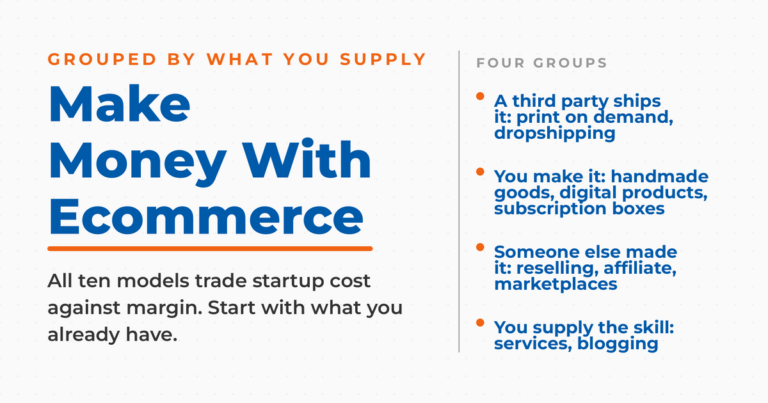
The platform adapts to various business models: physical products, digital downloads, services, or subscriptions. Learn more in my guide on how to make money with ecommerce.
What Are the Core Shopify Features You Need to Know?
Let me walk you through the specific tools you’ll actually use day-to-day.
Store Design and Customization

The theme editor gives you visual customization tools. Click elements on your site and modify their appearance through side panels. You can use one of those pre-built themes or develop your own custom theme to meet your needs. According to Store Leads’ platform analysis, there are currently over 1,000 different Shopify themes being tracked.
Shopify provides free themes plus premium options typically ranging from $180-$350. Use my Shopify theme detector guide to see what successful stores are using for inspiration. For more ideas, browse my collection of Shopify website examples and the best Shopify themes.
Mobile optimization happens automatically. Your store adapts to different screen sizes without extra work on your part.
For advanced customization, Shopify uses the Liquid templating language. Developers can create unique layouts beyond standard theme options, but most store owners never need to touch code.
Payment Processing
Shopify Payments is the built-in payment processor that eliminates third-party fees. You pay only Shopify’s credit card rates, which decrease as you upgrade plans.
According to Shopify’s enterprise checkout report, over 100 million high-intent, high-value buyers are pre-opted into one-click checkout with Shop Pay. It’s the single most popular and trusted digital wallet on Shopify.
Is LinkedIn Actually Bringing You Business?
My latest book helps professionals, entrepreneurs, and business owners turn LinkedIn from a static profile into a real source of clients and growth.
Maximizing LinkedIn for Business Growth gives you clear, practical steps to build a profile that gets noticed and a network that actually sends business your way.
Grab your copy on Amazon and put it to work this week. Click the cover or the button below to get started.

Here’s what impressed me most: after months of independent study, a Big Three global management consulting company found that Shopify’s overall conversion rate outpaces the competition by up to 36% and by an average of 15%. When Shop Pay is used, it can lift conversion by as much as 50% compared to guest checkout.
The system accepts major credit cards, digital wallets (Apple Pay, Google Pay), and alternative payment methods.
Multi-Channel Selling
This is where Shopify really shines. You can sell through:
- Your main website
- Social media (Facebook, Instagram, TikTok)
- Online marketplaces (Amazon, eBay). I break this down in my Amazon vs Shopify comparison
- In-person with Shopify POS
Your Shopify online store automatically synchronizes with Shopify POS, and you manage your entire business from one dashboard. Inventory, product, and payment updates that you make in your Shopify admin will instantly take effect in Shopify POS.
Sell a product on Instagram, and your website inventory updates automatically. I cover this integration in my guide to selling on Amazon with ecommerce.
Apps and Integrations

The Shopify App Store now features over 12,000 apps, helping merchants across the globe tailor their store functionality to local markets and customer behaviors.
Popular integrations include Klaviyo and Omnisend for email automation, plus tools like Oberlo for dropshipping. Most apps offer free trials or freemium plans. See my list of must-have ecommerce tools for my recommendations.
Fair warning: App costs can add up. I recommend starting with essentials and adding more as you identify specific needs.
How Much Does Shopify Cost? Pricing Plans Explained
Shopify uses a tiered pricing structure. Here’s what you actually get at each level:
| Plan | Monthly Fee | Online Card Rate | Staff Accounts | Best For |
|---|---|---|---|---|
| Basic | $39 | 2.9% + 30¢ | 2 | Solo entrepreneurs, new stores |
| Grow (formerly Shopify) | $105 | 2.6% + 30¢ | 5 | Growing businesses needing reports |
| Advanced | $399 | 2.4% + 30¢ | 15 | High-volume stores, multiple staff |
| Plus | From $2,300 | Custom | Unlimited | Enterprise, high-traffic brands |
Shopify offers 20–25% discounts on annual plans. For example, the Basic Shopify Plan drops from $39/month to approximately $29/month when paid yearly. If you plan to stay on a plan for more than a few months, annual billing saves money.
The Free Trial Deal
You can try Shopify free for 3 days, no credit card required. With a low barrier and affordable entry to Shopify at $1/month for 90 days, it gives enough time to understand your subscription plan better.
Understanding Transaction Fees
Third-party transaction fees apply if you use a third-party payment provider: 2% for the Basic plan, 1% for the Grow plan, and 0.6% for the Advanced plan.
Bottom line: Using Shopify Payments typically costs less than combining a third-party processor with transaction fees. On a tight budget? Explore my guide to free ecommerce platforms as alternatives.
Which Plan Should You Choose?
| Your Situation | Recommended Plan |
|---|---|
| Just starting out | Basic at $39/month covers everything you need |
| Processing over $10K/month | Grow ($105) – lower transaction fees often pay for themselves |
| Multiple team members or locations | Advanced ($399) makes sense |
| Enterprise-level volume | Talk to Shopify about Plus |

How Do You Set Up Your First Shopify Store?
Here’s my practical walkthrough for turning an empty account into a functional store.
Initial Account Setup

- Visit shopify.com and start your free trial
- Enter your email and create a password
- Answer setup questions about your business type and goals
- Choose your store name (this becomes storename.myshopify.com. You can add a custom domain later)
Selecting Your Theme
Browse the theme store from your admin dashboard. Filter by industry, features, and price. Check out my collection of ecommerce website examples for design inspiration.
My advice: Start with a free theme. They’re genuinely solid.
Install your theme and open the customizer. Work through:
- Header (logo, navigation)
- Homepage sections
- Footer (policies, social links)
Preview everything before publishing. Check how it looks on both desktop and mobile.
Adding Products
Navigate to Products → Add Product and fill in:
| Field | Tips |
|---|---|
| Title | Clear, searchable product names |
| Description | Focus on benefits, not just features |
| Price | Include compare-at prices for sales |
| Images | High-quality photos from multiple angles (first image becomes the thumbnail) |
| Inventory | Enable tracking to prevent overselling |
| Variants | Add size, color, or other options |
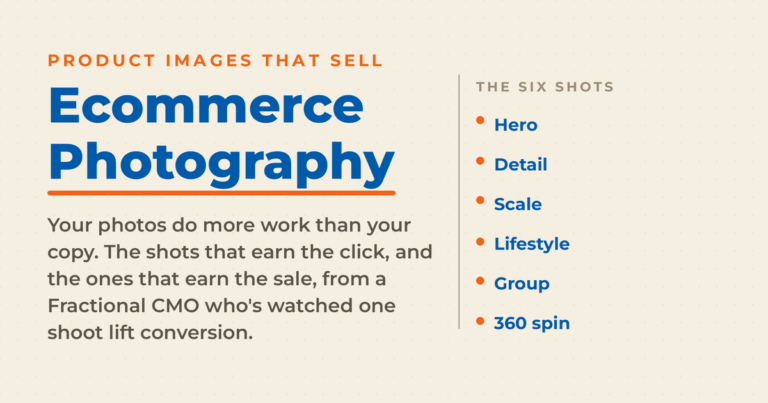
For photography tips, see my guide on ecommerce photography.
Configuring Payments
Go to Settings → Payments and set up Shopify Payments with your business and bank information. Add PayPal or other alternatives if you want.
Important: Test your checkout in test mode before launching. Place a test order to make sure everything processes correctly.
Setting Up Shipping
Access Settings → Shipping and delivery and:
- Define shipping zones (start domestic, add international later)
- Create rates for each zone (flat rate is easiest to start)
- Customize email notifications for customers
According to Chargeflow’s Shopify statistics report, merchants using Shopify Shipping have cut their shipping costs by up to 88%.
How Do You Sell Products Through Your Shopify Store?
Once setup is complete, here’s how actual selling works.
Managing Product Collections
Collections group related products together. Create them manually or automatically using conditions like product type, price range, or tags.
Pro tip: Feature collections on your homepage like “New Arrivals,” “Best Sellers,” or “Under $50” to guide visitors toward your strongest products.
Optimizing Product Pages
Strong product pages include:
- Detailed descriptions answering common questions
- Multiple images (product shots + lifestyle photos showing items in use)
- Customer reviews (add through apps like Judge.me or Loox)
For more on improving your store’s search visibility, check out my Shopify SEO guide.
The Checkout Process
Shopify’s checkout is a streamlined process: customer info → shipping method → payment. It automatically saves progress if customers leave and return.
Security is handled for you. Shopify is certified Level 1 PCI DSS compliant. This means all your data and customer information is ultra secure.
About cart abandonment: Customers who add items but don’t complete purchase get tracked. Higher-tier plans include automated recovery emails that can recapture lost sales. For more on this, explore my guide to ecommerce email marketing.
Fulfilling Orders
- New orders appear in your Orders section
- Click to view details: items, customer info, shipping address
- Print packing slips and prepare shipment
- Get shipping labels through Shopify or your carrier
- Mark as fulfilled and enter tracking numbers
Shopify automatically emails customers with tracking info. Fewer “where’s my order?” messages in your inbox.
How Do You Manage Day-to-Day Business Operations?
Daily operations determine long-term success. Here’s what ongoing management looks like.
Inventory Management
- Monitor stock levels in the Products section
- Set low-stock notifications to prevent stockouts
- Use inventory reports to spot slow movers (consider discounting or bundling them)
- Track inventory across multiple locations if needed
For tracking the right numbers, see my guide on ecommerce KPIs.
Customer Management
The Customers section stores all buyer information: purchase history, contact details, notes. Create customer groups for targeted marketing based on behavior, location, or spending levels.
Shopify Inbox consolidates messages from your website, social media, and email into one interface.
Analytics and Reporting
Your dashboard shows the essentials: total sales, orders, average order value, top products.
Go deeper with:
- Traffic reports — Where visitors come from
- Sales reports — Revenue by product, time period, channel
- Customer reports — Repeat purchase rates, lifetime value
Export data as CSV files for advanced analysis in spreadsheets or BI tools. I cover this in depth in my guide to ecommerce analytics.
Marketing Tools
Built-in marketing features include:
- Discount codes with parameters for minimum purchase, eligible products, expiration
- Email marketing integrations (Klaviyo, Omnisend)
- Shoppable social posts — Tag products on Instagram and Facebook
For a complete marketing playbook, explore my 20 ecommerce marketing strategies.
How Does Shopify POS Work for In-Person Sales?
Selling in physical locations? Shopify POS bridges online and offline sales.
How It Works
- Download the free Shopify POS app (iOS or Android)
- Purchase optional hardware: card reader, receipt printer, cash drawer
- Browse products in the app, add to cart, process payment
- Print or email receipts
The Real Benefit: Inventory Sync
When you sell in-store, online inventory updates automatically. No overselling. Unified sales reports combine all channels. You manage one business, not separate online and retail operations.
What Are the Pros and Cons of Shopify?
Let me be honest about what Shopify does well and where it falls short.
Advantages
| Pro | Why It Matters |
|---|---|
| Ease of use | Launch a store without hiring developers or learning code |
| All-in-one platform | Products, payments, shipping, marketing — one dashboard |
| Reliability | Infrastructure handles millions of transactions; no servers to manage |
| Scalability | Start basic, expand capabilities as you grow |
| Multi-channel selling | Website, social, marketplaces, in-person — all synced |
Shopify checkout converts 15% better on average than other commerce platforms.
Limitations
| Con | What to Consider |
|---|---|
| Monthly fees | $39-$399/month adds up. Calculate total costs before committing |
| Transaction fees | Extra 0.5-2% if not using Shopify Payments |
| Customization limits | Deep changes require coding or developers |
| App dependency | Essential features often need paid apps |
| Platform lock-in | Migrating to another platform later takes significant effort |
Who Shopify ISN’T For
Shopify may not be your best choice if you:
- Need heavy customization beyond theme capabilities
- Want to avoid monthly subscription fees entirely
- Already have a WordPress site and prefer WooCommerce. Though I explain how you can use Shopify and WordPress together
- Require complex B2B functionality without Shopify Plus budget
How Does Shopify Compare to Alternatives?
| Feature | Shopify | WooCommerce | BigCommerce |
|---|---|---|---|
| Starting Price | $39/mo | Free (hosting extra) | $39/mo |
| Ease of Use | ⭐⭐⭐⭐⭐ | ⭐⭐⭐ | ⭐⭐⭐⭐ |
| Built-in Features | Extensive | Requires plugins | Extensive |
| Best For | Beginners to enterprise | WordPress users | Mid-size businesses |
| Transaction Fees | 0% with Shopify Payments | Varies by gateway | None |
| Customization | Moderate (Liquid) | Unlimited (open source) | Moderate |
Shopify ranks as the top choice for online stores due to its high-quality sales tools and professional store templates.
Bluehost’s ecommerce analysis notes that WooCommerce holds over 25% market share among eCommerce platforms in 2025, making it the most popular choice globally for scalable, low-cost store setups.
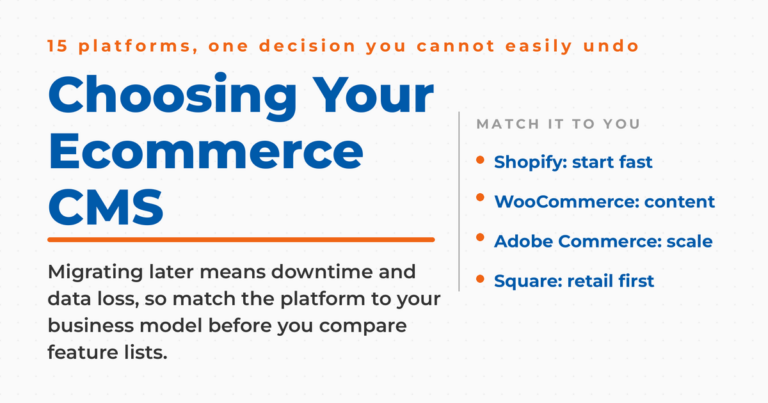
For a detailed comparison, check my guide to 15 ecommerce CMS platforms or my WooCommerce vs Shopify breakdown.
How Can AI Improve Your Shopify Store?
The e-commerce landscape is shifting with artificial intelligence, and Shopify has integrated AI tools directly into its platform.
Shopify comes with a helpful AI tool suite on all its plans called Shopify Magic. It enables you to AI-generate professional, SEO-friendly product descriptions.
You can use AI for:
- Writing product descriptions that convert
- Generating marketing copy and email campaigns
- Analyzing customer behavior patterns
- Personalizing shopping experiences
For more on this trend, read my guide on AI in ecommerce.
Frequently Asked Questions About Shopify
Is Shopify good for beginners?
Yes. Shopify is specifically designed for people without technical skills. The drag-and-drop interface, pre-built themes, and guided setup process let most beginners launch a basic store within hours. You don’t need coding knowledge, and 24/7 support is available if you get stuck.
How much does Shopify really cost per month?
The Basic plan is $39/month, but total costs depend on your needs. Factor in: optional premium themes ($180-$350 one-time), apps ($0-$50+/month each), domain name (~$15/year), and transaction fees if not using Shopify Payments. Most new stores operate for $50-$100/month total.
Can I use Shopify if I only sell on social media?
Yes. Shopify’s Starter plan ($5/month) lets you create product links for social media and messaging apps without building a full website. For most sellers, though, the Basic plan provides more value with a complete online store.
Does Shopify take a percentage of my sales?
Only if you use a third-party payment processor instead of Shopify Payments. Third-party transaction fees apply: 2% for the Basic plan, 1% for the Grow plan, and 0.6% for the Advanced plan. Using Shopify Payments eliminates these extra fees.
How do I know if Shopify is worth it for my business?
Shopify makes sense if you value ease of use over maximum customization, want reliable hosting without managing servers, plan to sell across multiple channels, and prefer predictable monthly costs over variable technical expenses. It’s not ideal for those who need unlimited design flexibility or want to avoid recurring fees entirely.

Start Building Your Shopify Store Today

You now understand what Shopify is, how it works, and what it takes to launch. The platform removes technical barriers to selling online. The rest is up to you.
Your next step depends on where you are:
Haven’t started? Sign up for a free trial today. The 3-day period plus $1/month promotional offer gives you time to explore without risk.
Products ready to go? Focus on store setup first, marketing second. A functional store with ten quality products beats an empty store with elaborate marketing plans.
Need more guidance? Check out Shopify’s official help center for step-by-step tutorials.
Start small, test your processes, and expand based on real customer feedback. Shopify grows with your business. You don’t need every feature activated on day one. Once you’re set up, explore my post on 17 ways to make money on Shopify.
Looking for a deeper dive into ecommerce marketing strategy or help setting up your Shopify store? Contact me and let’s chat. And if you want to sharpen your digital marketing skills across the board, download my free preview of Digital Threads for actionable strategies you can implement right away.
DIY your digital marketing with AI.
Practical advice on social, content, influencer, and search marketing, plus the AI tools that make each one easier. Join thousands of founders and business owners who read it.