Editorial Note: I may earn a commission when you visit links that appear on my website.
Blogger Outreach: All You Need to Know to DIY It Today
Blogger outreach campaigns may initially seem complicated, but they are a common form of marketing that can widen your audience reach, lift engagement, and open the door to future campaigns. So what exactly is blogger outreach and why is it such a valuable tool in a marketer’s arsenal? I teach influencer marketing at UCLA Extension and wrote The Age of Influence, and blogger outreach remains one of the most accessible ways to start. Below are the basics, how outreach can help your business or brand, and how to begin your own program.
Key Takeaways
✅ Blogger outreach is influencer marketing applied to blogs. You build a relationship with the people who run relevant blogs, then collaborate on content that serves both audiences.
✅ Build your own authority first. Established bloggers are hesitant to link to a brand new domain with no track record, so publish and earn some credibility before you start pitching.
✅ Pitch a list, not a dream target. Finding the right bloggers is a numbers exercise before it becomes a relationship exercise, so contact many and expect most to pass.
✅ Personalization decides whether you get a reply. Reference something specific they published, send from your company domain rather than a free Gmail account, and skip the automated first touch.
✅ Treat outreach as a program, not a one-off. Follow up once a week later, keep the relationship warm after the post goes live, and use influencer marketing statistics to sanity check what your program should be producing.
What Exactly is Blogger Outreach?
Blogger outreach is a type of influencer marketing campaign that focuses on relevant bloggers, to develop a mutually beneficial relationship between the author (or authors) of blog posts and a product, service, or company. The outreach process varies from campaign to campaign, but the goal is usually the same on both sides: off-page SEO value, a wider audience, and promotion for everyone involved. Blogger outreach can be in the form of product reviews, but it can also be a more general piece of content that encourages the use of a product or service, or touts the benefits of a particular brand or company. Influencer marketing itself started here. Before Instagram took over, working with influencers meant working with blog owners, and the term blogger outreach came out of that era.
What are the Typical Goals of Businesses That Do Blogger Outreach?

Blogger outreach utilizes relevant blogs to create popular content to build SEO techniques, increase awareness and reach, generate new traffic, promote content, generate leads, and develop partnerships. Like other forms of influencer marketing, businesses target bloggers to increase their likelihood of seeing sales, making impressions, and building relationships. I’ll go into greater detail on each below.
Guest post opportunities can increase awareness by directing people from a blogger to a landing page or product page. Imagine, for instance, a blogger with a fantastic response rate writes a post about their favorite exercise clothing (yours). The goal is to encourage readers to see the value of the product, and take advantage of link building through the blog post. New website traffic is gained this way, and new content and products can also reach a new audience this way.
Lead generation is also an important part of this form of digital marketing; when a blogger outreach program fosters content partnerships, you can generate leads for other bloggers within the same niche and potential new customers. Rather than sending out a cold email in the hope of seeing a return, blog outreach takes advantage of the existing relationship between a blogger and their audience, and builds trust (and familiarity) between that audience and the business. The same principle governs effective email outreach generally: relevance and existing context beat volume every time.
What Exactly Does Blogger Outreach Involve?

Outreach is the same for blog owners as it is for influencers as a whole: it begins with identifying the most popular blogs or personalities within your niche, developing your content marketing strategy and pitching the type of content or campaign you have in mind to your target bloggers, creating content that can then be published with your link, and requesting a backlink to direct readers back to your website. The precise response rate of this form of outreach will differ significantly, but many bloggers offer contact details for collaborations readily on their sites, and expect, to some degree, the possibility of a cold email suggesting collaboration.
The first step, influencer analysis, requires you to take a look at bloggers in your niche, to develop an email list of potential collaborators. From there, you can begin developing basic email templates to follow to begin your outreach program. No guide to blogger outreach is complete without an acknowledgment of the role of content creation; because outreach is focused on high-quality blogs created with a specific product or page in mind, blog post titles, and content as a whole can be tailor-made by the business prior to being handed over to the blogger, or developed collaboratively. Finally, this form of content marketing relies on backlink placement, embedding a link back to your website to further promote a physical product, a service, or a brand or business overall.
3 Steps to Blogger Outreach Success
The blogger outreach process is not a terribly complex one, but it is important to make sure that you are pairing with the best blogger or guest author for your niche, and agree upon keywords and products that are going to improve your search engine rankings rather than seeming to come out of left field. I’ve compiled 3 steps to achieve blogger outreach success, whether you use a blogger outreach service or target bloggers entirely in-house.
1. Find Influential Bloggers in Your Industry and Vet Them

Developing a list of blogs from which to select is the best way to go about identifying key influencers. To develop your list, Google the strategic keyword phrases you want to focus on, and see which sites pop up within the first search page. The posts that fit within your niche are a great place to start. From there, you can use tools like BuzzSumo or Moz’s FollowerWonk to evaluate the number of social shares those bloggers receive for content. BuzzSumo will focus on social shares for strategic keywords, while FollowerWonk will identify how many social media followers and corresponding social authority a blogger has.
SEO tools can also be used to find the best guest blogging options for the relevant keywords you are after; tools like SEMrush and Ahrefs can help you understand the domain authority of sites and measure blogging influencers. All-in-one blogger outreach tools like Respona, Postaga, and Buzzstream can also be useful, provided that you do not engage too many automations within your campaign efforts–a warning I will go into greater depth on below.
You can also use a social listening tool like Brand24 to help you discover bloggers.
2. Send Social Signals
Guest blogging opportunities can be borne from cold emails, but they can also start with a simple online presence and exchange. Commenting on their blogs, engaging with them on social media, etc. can all help begin to build a relationship, before you immediately begin suggesting collaboration. Look for any and all opportunities you can find to answer questions they may be posting to their social media to keep yourself top of mind and actively demonstrate the value add for both parties.
3. Reach Out to Them on Their Preferred Channel
The vast majority of established, influential bloggers have been through the process of blogger marketing strategy and partnerships, and are likely to have some defined means of going about the entire process. Look for a blogger’s collaboration page or contact instructions to make sure you follow their instructions to set yourself apart and garner goodwill from the outset. Prior to reaching out to any one on your list of bloggers, make sure you understand the content they may be interested in, have something of yours in mind, and are certain that they have not yet published anything similar. From there, you can offer a few title options from which to choose.
8 Blogger Outreach Best Practices
Although there may be a wide range of ways to go about securing a relationship with a blogger, make sure that you are entering into this process with the best practices to maintain positive relationships and a pristine reputation. To that end, follow the 7 outreach best practices I have outlined below.
1. Don’t Do Blogger Outreach if Your Website is Brand New

It can be tempting to immediately launch blogger outreach emails when your website is published, but wait until you have some domain authority to begin reaching out. Remember that this relationship is supposed to be a symbiotic one, not merely one that elevates your brand, and influential bloggers are likely to be hesitant to link to a blog or site with low domain authority and less than stellar SEO. Feel free to develop your own blogger outreach guide while you build domain authority, and engage at the right time.
2. Reach Out to Multiple Bloggers
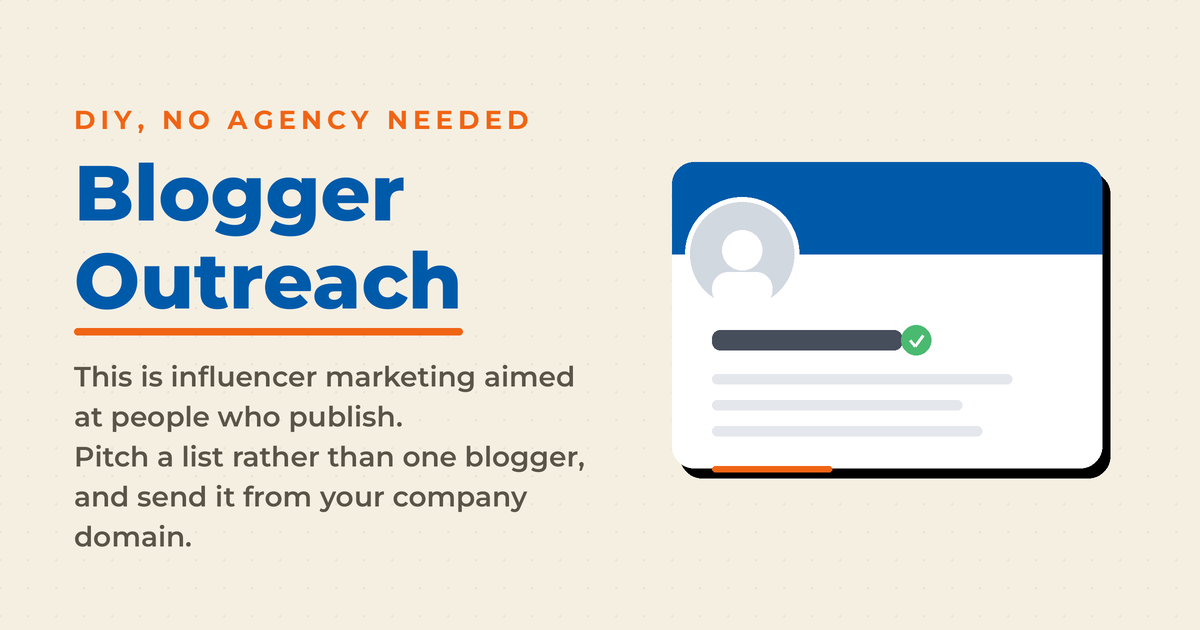
Try to avoid treating any one blogger like the unicorn of your marketing plan. Like influencer marketing, blogger outreach is largely a numbers game. By reaching out to a host of bloggers rather than just one or two, you increase the likelihood of receiving one or more responses. Placing the entirety of your campaign on a single blogger’s shoulders is a quick way to watch your outreach program falter and fail to truly take off. Keep a working influencer database of who you contacted, who replied, and what they cover, so your next round starts from a list instead of a blank page.
3. Don’t Use Gmail – Use Your Corporate Domain Email Instead
Professionalism is important for blogger outreach emails, and emailing from a basic Gmail account can be a red flag. Virtually anyone can create a Gmail account and claim to be from one company or another, so make sure you set yourself up as a responsible, embedded member of your company or brand by using your corporate domain email address as often as possible. You should not be spamming thousands of sites, so selecting your separate domain email and using it for correspondence should work well for your purposes.
4. Be Careful of Automated Tools
Remember my warning against a slew of automated tools? Although these tools can help support a successful blogger outreach campaign, using an outreach engine to both find and subsequently contact bloggers can result in strange or unwelcome timing, frequency, and even content of emails. Many automation tools have gotten these components wrong, and outreach efforts can suffer for it. You only get one first impression, so make sure you are putting your best foot forward by regularly reviewing timing, frequency, and content, and adjusting as needed. Automate the repetitive parts, never the first touch. That distinction is easier to hold when outreach sits inside a defined influencer program with named owners, agreed timing, and a follow-up rhythm you set in advance.
5. Personalize As Much As Possible

Influential blogs and their content creators are likely messaged multiple times each day, many of them with canned emails that sound distant and rehearsed. Whenever possible, personalize the emails you are sending out. Whether that means referencing previous blog comments and social media conversations, or making a note of a specific piece of content of theirs you found compelling, one of the best ways to stand out and capture the interest of an influencer is to make it clear that you have done your homework before reaching out.
6. Always Think in Terms of Collaboration
Relationships with influencers, whether they are bloggers or social media personalities, rely on a form of symbiosis, in which both parties benefit from the relationship. When you are developing your business goals and your guest post pitch, ask WIIFM, or What’s In It For Me? What can you offer them in exchange for their participation in the collaboration? Recognize their contribution to your efforts, and recognize your contribution to their growth. That is what keeps the relationship worth renewing. Once you are running several collaborations at once, the right influencer marketing tools will hold discovery, outreach, and tracking in one place instead of scattering them across spreadsheets. Put the terms in writing as well, because an influencer contract settles deliverables, timing, and disclosure before anyone publishes.
7. Always Follow Up
Follow up is an important part of reaching out and beginning to develop collaborative relationships. People are busy, so give them some time following your email. A week later, follow up once, and follow up once more one week after that–but ONLY if you do not hear from them after your initial introduction. If you are automating follow ups, people can quickly become frustrated with the clear automation process, so try to maintain an organic state of discourse. The same restraint applies to every kind of email outreach you do, whether you are pitching a blogger, a podcast host, or a journalist — the cadence that earns replies is the one that respects the recipient’s inbox.
8. Maintain the Relationship
The relationship you develop here does not have to be a one-off engagement; from ongoing collaborations and guest posts to the possibility of developing other relationships with other websites that person writes for or is affiliated with, the connections you make in your initial collaborations can be valuable. From regular check-ins to requests for additional posts, work hard to maintain any relationships you find useful or valuable.
Sample Blogger Outreach Template
Sending an outreach email does not have to be complicated or deeply involved. Often, the simplest and most direct email is the best email to send. The following is an example of a simple, straightforward introduction to a blogger requesting a guest blog post collaboration.
Dear [Blogger],
My name is [Your Name], and I am reaching out to you today to ask if you are open to guest posting on [Subject]?
My company [Company Name] is an industry leader in [Industry Name] and we can contribute thought leading content around the following themes that seem like a good fit for your blog based on our analysis:
– Proposed Topic 1
– Proposed Topic 2
– Proposed Topic 3
If there are other topics that you prefer we write on we would be more than happy to consider.
Just wanted to let you know that we also promote our guest posts on other blogs to our audience in the following ways:
– Share on social media (X number of followers)
– Send out to our newsletter subscribers (email list size)
– Any other promotion that you might do
Let me know your thoughts or any questions you may have.
Thanks so much – and looking forward to collaborating!
[Your Name, Contact Info, Etc.]
Frequently Asked Questions About Blogger Outreach
What is blogger outreach in SEO?
Blogger outreach in SEO is the practice of contacting relevant blog owners to collaborate on content that includes an editorial link back to your site. Those placements sit alongside your other link building work, and they tend to hold their value because the link is earned inside real content rather than placed in a directory.
How is blogger outreach different from guest blogging?
Guest blogging is one possible outcome of blogger outreach, not a synonym for it. Outreach is the relationship work of finding, vetting, and contacting bloggers, while guest blogging is the specific arrangement where you write a post that appears on their site. A single outreach conversation might instead produce a product review, a mention, a quote, or nothing at all.
Do bloggers have to disclose a paid collaboration?
Yes. If money, free product, or any other material connection changes hands, that relationship has to be disclosed to readers, and the FTC influencer guidelines apply to blog posts the same way they apply to social media. Write the disclosure requirement into your brief so it is settled before publication rather than argued afterward.
How many bloggers should you contact for one campaign?
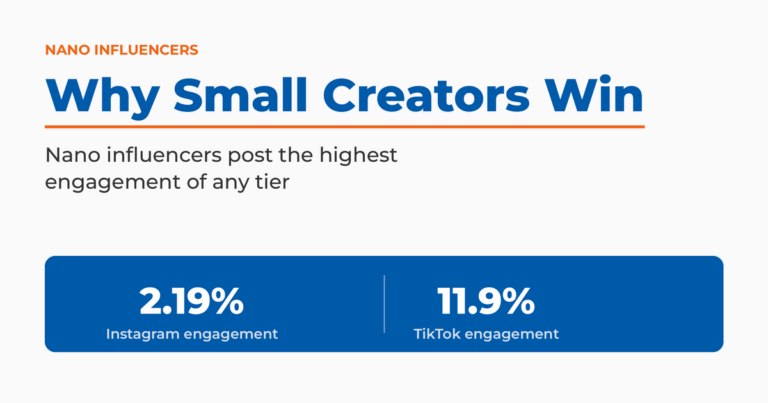
Enough that a wave of polite passes does not end your campaign, which for most brands means dozens rather than a handful. Smaller blogs and micro influencers usually reply at a higher rate than the biggest names in a niche, so a mixed list beats a list of only marquee targets.
Conclusion
Blogs with multiple authors and different posts are often considered more reliable sites, making this type of collaboration an invaluable one in building trust and increasing awareness. Blogger outreach is a form of influencer marketing, in that it relies on relationships between established faces, personalities, or creators and brands or companies, to deliver marketing materials. From word-for-word guest posts to guest spots developed collaboratively, blogger outreach can be a great way to increase your audience reach, develop ongoing marketing relationships, and ultimately grow your business.
Actionable advice for your digital / content / influencer / social media marketing.
Join 13,000+ smart professionals who subscribe to my regular updates.