Editorial Note: I may earn a commission when you visit links that appear on my website.
Content Personalization in Digital Marketing: Why It Matters and How to Do It Right
Consumers today expect to see content tailored to their preferences, behaviors, and interests. 71% of consumers demand personalized experiences. Brands that fail to meet that expectation run the risk of losing engagement and sacrificing conversions among their audience members and customers. Content personalization offers a way for businesses to deliver highly relevant experiences, which can increase customer loyalty, improve engagement rates, and support revenue.
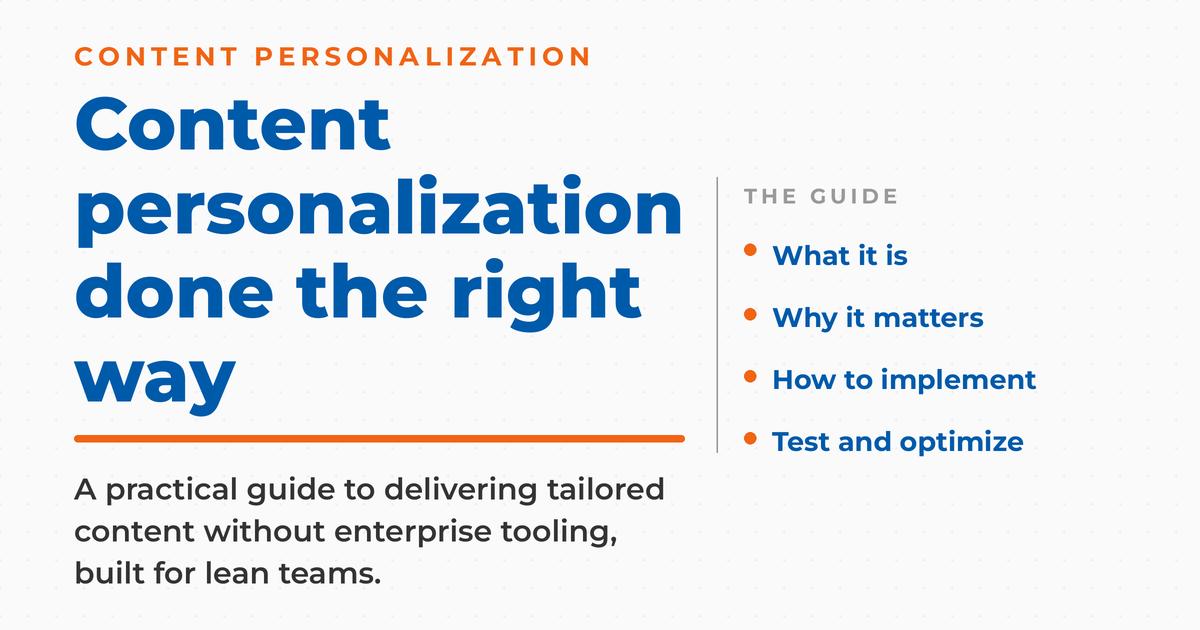
To help deliver personalized content in a sustainable way for your business and business goals, I have put together a content personalization guide. In this guide, I will walk you through what content personalization is, why it matters for you and your business, and how your business can implement it effectively.
First, let’s define content personalization, and what it looks like in different business contexts.
Key Takeaways
✅ 71% of consumers now expect personalized experiences, so generic content quietly costs you engagement and conversions.
✅ Personalization runs on five moving parts: data collection, segmentation, AI and machine learning, dynamic delivery, and privacy compliance. Get the data foundation right before you touch subject lines.
✅ You do not need an enterprise budget to start. Pick one channel, email is usually the easiest first win, segment your list, and personalize one thing at a time.
✅ Amazon, Netflix, and Nike each personalize differently. Amazon leans on purchase and browsing data, Netflix on viewing history, Nike on audience segments. Copy the method that matches the data you actually have.
✅ Tools only matter after the strategy. Define your goal, collect clean data, then bring in a CMS, CDP, or AI recommendation engine to run it at scale.
✅ Personalization has a line you should not cross. Respect GDPR and CCPA, avoid over-personalization, and watch for algorithmic bias, or the tactic backfires.
What is Content Personalization?

Content personalization is tailoring your digital content to specific, individual users according to audience behavior, preferences, and demographics. While content is developed for target audiences as a matter of course, content personalization takes it one step further and develops relevant content to entice specific customers or audience segments.

Personalized content is a practice worth building into your broader content strategy, because it improves user experience, raises audience engagement, and can lift conversion rates while turning a potential customer into a loyal one. Personalization done consistently builds customer loyalty and converts better than generalized marketing.
Why Content Personalization Matters
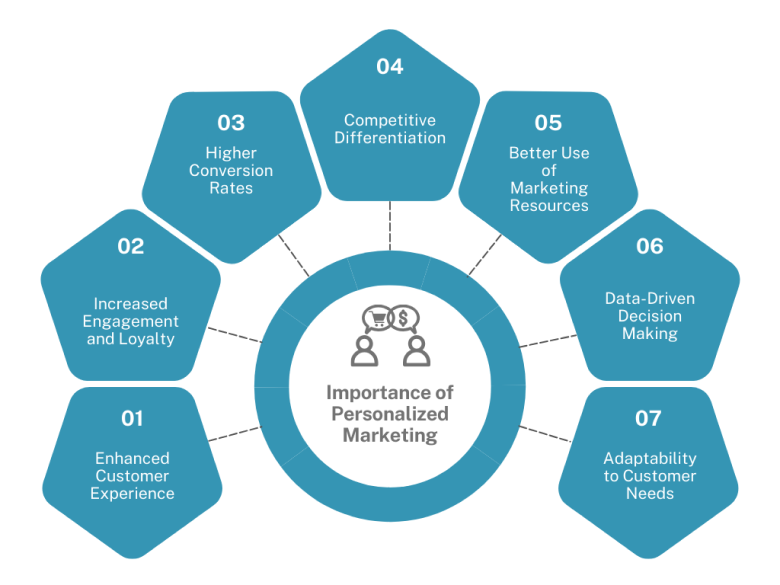
80% of consumers are more likely to buy from brands offering personalized experiences. Just as consumers are more likely to connect with an influencer than a generic ad, consumers may be more likely to make purchases from brands who go the extra mile and exercise personalization capabilities.
Personalized content can also increase user engagement, while improving brand loyalty and customer retention. Individual customers add up quickly, so placing an emphasis on personalized content in your audience’s customer journey can rapidly improve your numbers.
Content personalization drives higher conversion rates, as well, by delivering relevant offers and recommendations. User behavior can significantly impact customer expectations, and tailoring experiences can help improve customer satisfaction, thereby improving conversion rates.
Brands also benefit from producing personalized content through differentiation; not all brands are on the cutting edge of tailoring content to match user behavior, so you can quickly set yourself apart from competitors who are still only offering generic content rather than personalized experiences.
Key Components of Content Personalization

Personalized content has a series of key components that are necessary to achieve ideal personalization efforts. These key components require you to gather information before diving into actually developing subject lines and other personalization efforts. Key components include:
- Data Collection: Data collection involves gathering user data, which includes user behavior, user demographics, and the context of user behavior.
- Segmentation & Targeting: Segmentation and targeting involves grouping different users based on shared characteristics, in order to streamline your personalization efforts.
- AI & Machine Learning: Artificial intelligence is one of the most valuable tools for automating personalization at scale. Predictive analytics show how AI in your marketing can shape the content each user sees before they even ask for it.
- Dynamic Content Delivery: Over a customer lifetime, there will be countless real-time user interactions, and it is important to adapt that content quickly.
- Privacy & Ethical Considerations: Compliance with all best practices and GDPR, CCPA, and user data privacy and ethics requirements is essential to make sure that your personalization efforts are not actively harming your brand, rather than helping it.
Popular Content Personalization Methods
Personalization engines are one way to personalize your content, but there are other popular personalization methods you can use to make use of your customer data platforms. Each of these methods can be useful for brands, but each offers a different approach, and can even be used to address specific contexts or ideas. Some of the most popular methods include:
- Collaborative Filtering: Collaborative filtering makes use of behavior on an individual level to recommend content based on similar users’ behavior.
- Content-Based Filtering: Content attributes can also be matched to user preferences, to develop stronger relationships with your audience and create more dynamic content.
- Rule-Based Personalization: Predefined rules offer a great way to target personalized content. Predefined rules can include location-based offers, and personalized product recommendations according to past purchases.
- AI-Driven Personalization: Personalized product recommendations and personalized content can both leverage machine learning to create real-time customization.
- Omnichannel Personalization: Omnichannel personalization allows you to deliver personalized experiences across multiple touchpoints, from email lists to mobile devices, and more.
How to Implement a Content Personalization Strategy

Whether you are focusing personalization efforts on your mailing list or other content, personalized recommendations and content requires some upfront planning. To help implement your ideal content personalization strategy, I have put together six important steps. First, make sure you:
1. Define Personalization Goals
What is the purpose of personalization in your business? By defining your business goals, you can align your business objectives and your personalization efforts, to target engagement, retention, customer experiences, sales, or another metric entirely. Take some time to determine what you are trying to accomplish when you develop personalized customer experiences.
2. Collect & Analyze User Data
CRMs, marketing analytics tools, and behavioral tracking can all gather information about previous interactions to help create personalized content based on customer behavior. That data is then used to tailor content to individual customers and improve their experience.
3. Develop Segmented User Profiles
Segmentation is a great way to lump together individual customer behaviors to streamline and effectively tackle personalization. Users can be grouped together according to behaviors, interests, and demographics.
4. Create Personalized Content
Once you have gathered your information, you can begin customization and personalization. Recommendations, emails, and even website experiences can be tailored to create compelling customer experiences. Email is one of the most common beneficiaries of personalization, and pairing it with email marketing automation lets you scale those tailored messages, while websites and product recommendations benefit from analytics and other behavioral data.
5. Leverage Personalization Tools
CMS, CDPs, and AI-driven recommendation engines can all be used to personalize experiences at scale, and do so without exerting too much additional time or effort. By leveraging personalization tools, you can implement content management that personalizes content without sacrificing time or value.
6. Test & Optimize
From email platforms to website performance, treat personalization as ongoing content optimization rather than a one-time setup. A/B testing lets you compare the personalization efforts you put into practice and see which approach performs best across your audience segments.
As you go over the steps across your digital channels, keep a close eye on tone and branding. Even within personalization efforts, you want to maintain consistent brand voice and tone across social channels.
Is LinkedIn Actually Bringing You Business?
My latest book helps professionals, entrepreneurs, and business owners turn LinkedIn from a static profile into a real source of clients and growth.
Maximizing LinkedIn for Business Growth gives you clear, practical steps to build a profile that gets noticed and a network that actually sends business your way.
Grab your copy on Amazon and put it to work this week. Click the cover or the button below to get started.

Real-World Examples of Content Personalization
Although I have put together the basics of content personalization and ways to implement it in your own brand or content strategy, it can be helpful to evaluate real-world examples of personalization, regardless of device type or even native languages. Some of the best real-world examples of content personalization include:
Amazon
Amazon utilizes AI-driven product recommendations to both help its customers, and help its own sales efforts. While irrelevant content does still pop up occasionally, Amazon’s AI-driven recommendations create engaging experiences, and can be based on the time of day and real-time personalization, and use past purchases, browsing, and other metrics to develop personalization. These efforts ultimately contribute to $1 Billion in daily sales for the e-commerce giant.
Netflix
Netflix focuses on viewing history to personalize content suggestions. The home page of a Netflix account lists previously viewed series and movies, newcomers to the Netflix platform, and a series of suggestions based on what you have viewed in the past. This approach to personalization is a great one to nurture relevant experiences, as it allows users to organically engage with other series and movies that may capture their interest. By encouraging relevant experiences, Netflix can foster a sense of brand loyalty and appreciation.
Nike
Nike takes advantage of audience segmentation to hyper target marketing campaigns. This approach to personalization creates personalization options primarily based on demographic data, including age, sex, location, and more. By targeting ads using these metrics, Nike is able to appeal to a wide array of backgrounds.
Decathlon
Decathlon effectively uses personalized cart abandonment stories to help increase conversions and improve the purchase rate of relevant products. This is an important success story, because it highlights how effective even simple or small personalization efforts can actually be for a business owner.
Challenges & Ethical Considerations

As is the case with all data extracting practices and AI tools, there are some challenges and ethical considerations to be taken into account. Marketing teams should pay close attention to user boundaries, to make sure their personalization is a success story rather than a cautionary tale. When developing your personalization practices, consider the following:
- Privacy Concerns: Adhere to all GDPR, CCPA, and other privacy regulations to ensure that your user boundaries are being respected, and you are not gathering data that is protected or secured. This can be accomplished by only using well-vetted and trusted tools and using best practices.
- Over-Personalization: Invading your audience’s privacy and manipulating their needs or feelings is certainly something to avoid, so do not utilize content that engages in over-personalization.
- Algorithmic Bias: AI-driven personalization does rely on algorithms to develop content, so make sure that your AI tools are not relying on AI bias as it creates. Offering plenty of information can help prevent bias.
- Performance Measurement: To make sure that you are adhering to best practices, you can track the impact of personalization on engagement and sales. By keeping track of personalization impact, you can continually refine and improve your efforts and better serve your audience.
There are different challenges and ethical considerations associated with personalization, especially where AI and data gathering are concerned. By adhering to best practices and all established guidelines for communication online, you can support your business while minimizing risk.
Best Tools for Content Personalization
Not all personalization tools are created equal. Some are ideal for eCommerce businesses, while others offer advanced technologies to cover a range of applications. Some of the best tools I have found for personalization include:
- CMS & CDPs: Hubspot, Acquia Convert, and Twilio Engage are all great tools to create and manage content and customers. Each of these tools can be used on its own to deliver personalization, or can be used in tandem with other tools to manage your customer lists and your content.
- AI-Powered Personalization: Adobe Target, Dynamic Yield, and Salesforce all offer great AI-powered personalization tools. These tools are incredible because they provide a way to optimize and streamline personalization.
- Customer Engagement Platforms: Braze, MoEngage, and CleverTap are all great options to help manage your customers’ journeys, and can help you create content at scale while supporting digital commerce.
- Website & Email Personalization: Finally, consider using Optimizely, Storyly, and Monetate for website and email personalization, as these are powerful tools to use across your digital channels to personalize on both websites and in email.
In your personalization journey, remember that some tools will serve you for a time, but do not be afraid to move on when tools no longer serve your purpose or fulfill your needs.
Frequently Asked Questions
What is content personalization in digital marketing?
Content personalization is the practice of tailoring digital content to individual users based on their behavior, preferences, and demographics. Instead of showing everyone the same page or email, you serve each visitor something that fits what they actually want. Done well, it lifts engagement, conversions, and repeat business.
How do I start with content personalization on a small budget?
Start with one channel and one segment. Email is usually the easiest first win, because most email platforms already let you personalize by name, location, and past behavior. Prove it works on a small group, then expand to your website and product recommendations.
What data do you need for content personalization?
You need three types of user data: behavior (what people click, view, and buy), demographics (age, location, and similar attributes), and context (when and how they interact). CRMs, website analytics, and behavioral tracking are the usual sources. Clean, consented data matters more than a large pile of messy data.
Is content personalization the same as marketing automation?
No, though they work closely together. Marketing automation is the machinery that sends messages and triggers workflows. Personalization is the decision about what each person sees. Automating generic content just delivers the same bland message faster.
What are the biggest risks of content personalization?
The main risks are privacy violations, over-personalization, and algorithmic bias. Cross the line on data collection and you break GDPR or CCPA rules and lose trust fast. Personalize so aggressively that it feels like surveillance, and customers pull back rather than lean in.
Content Personalization Matters Now More Than Ever
Content personalization may have once been optional, but it is optional no longer. From email campaigns to basic informative content on your sites, personalization is a necessity for any brand looking to engage and convert consumers in the modern age. In plain terms, brands are best off leveraging data, AI, and targeted strategies to create a dynamic, customized experience. By delivering these experiences, brands can build trust and drive revenue in one fell swoop.
As technology continues to evolve, it is vital to stay ahead of the curve using ethical, scalable personalization. From email campaigns to webpages, personalization can help your audience feel far more engaged with your brand or company, and can help foster a sense of community, leading to increased engagement and improved conversion rates.
Actionable advice for your digital / content / influencer / social media marketing.
Join 13,000+ smart professionals who subscribe to my regular updates.