
I originally wrote about this topic years ago, back when Instagram was the dominant platform for influencer marketing. Fast forward to 2026, and the landscape has changed dramatically. Now, influencers are making money on TikTok, YouTube, Twitch, LinkedIn, and even Pinterest, often with completely different monetization models, engagement expectations, and earning potential depending on the platform and their niche.
In this post, I’m going to break down how much influencers really make across different follower tiers and social media platforms, from nano-influencers to social media megastars. It’s based on my own experience as an influencer, plus research on data that has been made public. I teach personal branding and influencer marketing at UCLA Extension, I wrote the definitive book on the subject in The Age of Influence, and I advise brands on influencer strategy and ROI in my Fractional CMO work. I’ll also give creators a roadmap for building multiple income streams, not just relying on sponsored posts.
So if you’re curious about the current state of influencer income, or you’re trying to better understand how the influencer economy works in 2026, keep reading.
Key Takeaways
✅ Follower tiers set the baseline: nano-influencers typically earn $10-$100 per post, scaling up to $10,000-$100,000+ for mega-influencers with over 1 million followers.
✅ Every platform is its own economy: long-form YouTube content commands premium rates, TikTok pays for virality, and LinkedIn has quietly become a B2B monetization powerhouse.
✅ Top creators build nine income streams: sponsored posts, affiliate marketing, digital products, subscriptions, merchandise, paid appearances, ad revenue, consulting, and content licensing.
✅ Engagement beats follower count: micro-influencers with engaged communities often command higher rates per follower than larger accounts with passive audiences.
✅ Income follows business savvy: niche, content quality, audience demographics, and negotiation skills separate the highest earners from peers with identical follower counts.
Influencer Income in 2026 At a Glance
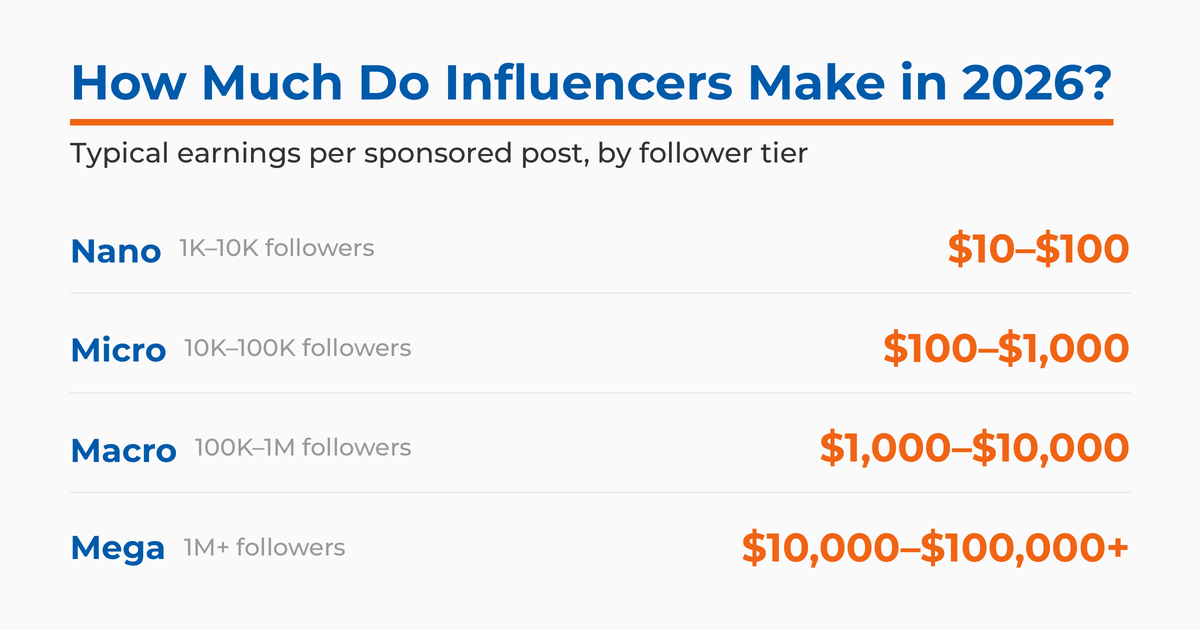
Influencer income in 2026 scales with follower count, but only loosely. As a rough benchmark, nano-influencers earn $10 to $100 per post, micro-influencers $100 to $1,000, macro-influencers $1,000 to $10,000, and mega-influencers anywhere from $10,000 to well over $100,000. Engagement, niche, and platform then push those numbers up or down.
While these numbers are the generalized ones I used in my book The Age of Influence, they give you a useful benchmark for what influencers can typically charge per post. If you want to turn these ranges into an actual number for a campaign, an influencer rate card is the tool to reach for. Keep in mind that actual earnings vary based on engagement rates, niche, content quality, platform, and the influencer’s ability to negotiate.
| Influencer Tier | Followers | Typical Income Per Post |
|---|---|---|
| Nano | 1K–10K | $10–$100 |
| Micro | 10K–100K | $100–$1,000 |
| Macro | 100K–1M | $1,000–$10,000 |
| Mega | 1M+ | $10,000–$100,000+ |
These rates may seem impressive (or surprisingly modest, depending on your expectations), but they only tell part of the story. Influencers today don’t just earn from brand partnerships. They diversify their income with affiliate marketing, digital products, subscriptions, speaking gigs, and more. In the next sections, we’ll explore those revenue streams in depth, as well as what factors drive higher rates, regardless of follower count. If you’re still sorting out where you sit, the influencer tiers break down each band by its typical reach and rate.
It’s also worth noting that most influencers earn modest amounts, not the headline-grabbing sums you see in the news. CreatorIQ looked at 14,400 creators who were paid through brand campaigns on its platform in 2025. The average creator earned $11,400, but the median was only $3,000, because the top 10% of creators collected 62% of all the money paid out. So when you see an average, remember that a small group of big earners is pulling it up, and the typical creator makes far less.
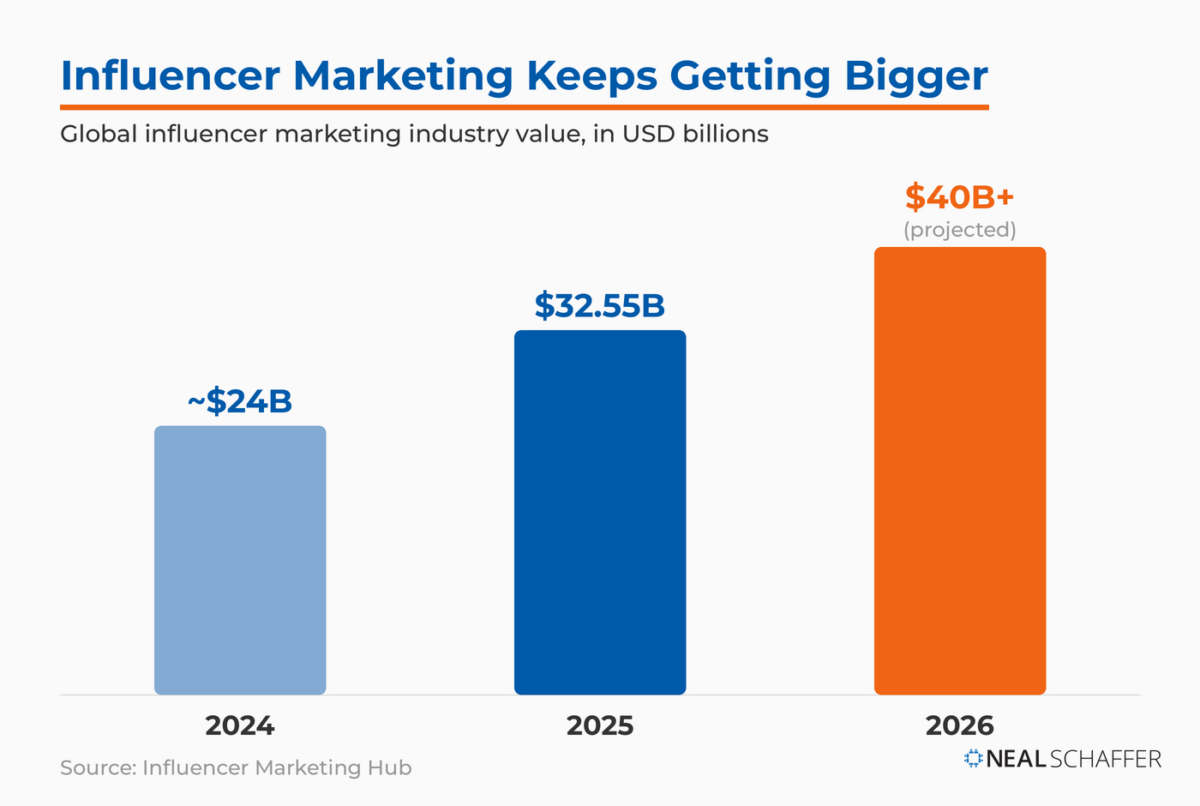
The influencer marketing industry grew from roughly $24 billion in 2024 to $32.55 billion in 2025, and it is projected to pass $40 billion in 2026. What this means is that there is more money going to more content creators and influencers, so you are never too late to get into the influencer game:
Platform-by-Platform Earnings Breakdown
Influencer income changes a lot from platform to platform. The same creator can earn very different rates on YouTube, TikTok, Instagram, and LinkedIn, because each platform rewards different content and hands creators different tools to make money. So the smart move is to read influencer income platform by platform, since each one runs its own economy.
Let’s break it down:
Instagram remains one of the top platforms for influencer marketing. With a mix of visual storytelling and personal branding, it’s ideal for sponsored content and brand partnerships.
Average earnings per post in 2026:
- Nano (1K–10K followers): $10–$100
- Micro (10K–100K): $100–$1,000
- Macro (100K–1M): $1,000–$10,000
- Mega (1M+): $10,000+
Add-on earnings from Stories, Reels, and subscription features (like exclusive content for paying followers) can further increase income, especially for those actively engaging their community. If Instagram is your main platform, I break down the specific tactics in my post on making money on Instagram.
Best for: Lifestyle, beauty, fashion, travel, food, wellness niches
YouTube
If you’re comfortable on camera and have the stamina for long-form content, YouTube offers one of the most developed monetization ecosystems out there. Between ad revenue, sponsored videos, affiliate links, channel memberships, and even YouTube Shopping, creators here are building real businesses.
Typical earnings on YouTube:
- Ad revenue average: $2–$10 per 1,000 views (CPM varies by niche) with creators keeping 55% of the revenue
- Sponsorships: $500–$20,000+ per video depending on channel size with rates typically being $10 to $30 per 1,000 views for sponsored content
- Affiliate income: Commission rates vary widely by affiliate program from 5% to 50%
For a deeper look at the ad-revenue side, I cover how much YouTubers make in its own post.
Best for: Education, tech, finance, fitness, personal development, and niche “how-to” content
Check out YouTube’s excellent YouTube Partners Earning Overview page for more details.
TikTok
TikTok is the king of virality, and that can lead to rapid follower growth and major brand exposure. In addition to Creator Rewards Program (which replaced the TikTok Creator Fund) payouts, influencers rely on sponsored content, affiliate marketing, and live gifts to monetize.
Average TikTok earnings:
- Creator Rewards Program: For those that qualify, the earnings can be as much as $4 to $8 per 1,000 views
- Sponsored videos:
- Nano: $5-$50
- Micro: $50–$1,200
- Macro+: $5,000–$10,000+
- TikTok Live (Gifts): Varies by audience activity
I go deeper into the platform’s payouts in how much TikTokers make.
Best for: Entertainment, comedy, fashion, dance, Gen Z content, quick tutorials
Twitch
Twitch is primarily a live-streaming platform, dominated by the gaming world but increasingly used for music, lifestyle, and education.
Primary monetization:
- Subscriptions: Viewers pay $4.99/month or more with streamers keeping 50% of the revenue
- Bits (micro-donations): $0.01 per bit cheered
- Brand sponsorships & product placements
- Affiliate marketing or donations through third-party tools
Most Twitch streamers earn $0 to $500 a month, and reaching a $3,000 to $5,000 living wage typically takes 500 to 1,000 active subscribers.
Best for: Gaming, tech, music, behind-the-scenes/real-time interaction content
It might surprise you, but LinkedIn has emerged as a powerhouse for B2B influencers, especially in niches like marketing, entrepreneurship, personal development, and SaaS.
LinkedIn creators monetize through:
- Brand partnerships (especially for software or service tools)
- Paid webinars or workshops
- Consulting and coaching
- Affiliate or referral commissions for B2B products
Sponsored posts on LinkedIn are typically in the $200–$2,000 range depending on reach, engagement, and industry influence.
Best for: B2B professionals, consultants, coaches, creators in marketing, tech, HR, and leadership
Pinterest is a strong passive-income platform, especially for those promoting products, blog posts, or affiliate links. While not known for direct sponsorships at scale, it’s great for driving traffic to monetized content.
Ways Pinterest creators earn:
- Affiliate links (with custom product tagging)
- Pinterest Creator Rewards (limited, invite-only)
- Course and product promotion via pins
- Blog traffic monetization through ads
Ideal for bloggers, DIY, home decor, fashion, and food influencers who want to build evergreen traffic to monetized sites.
Facebook still offers monetization opportunities, particularly for creators using Reels, Facebook Groups, and Pages with active communities.
Revenue options include:
- Reels Play Bonus Program
- Ad revenue sharing on in-stream videos
- Fan subscriptions ($4.99/month)
- Stars (micro-donations during Lives)
Earnings potential is decent if you’ve already built an engaged following here, but for new creators, Facebook is more of a complementary platform than a standalone income engine.
Final Thoughts on Platform Earnings
There’s no “best” platform, just the best platform for you, your content style, and your target audience. Here’s how the seven platforms above compare at a glance:
| Platform | Best Content Type | Primary Monetization | Typical Range |
|---|---|---|---|
| Visual, short-form | Brand deals, affiliate, subscriptions | $10–$10,000+ per post | |
| YouTube | Long-form video | Ad revenue, sponsorships, memberships | $500–$20,000+ per video |
| TikTok | Short viral video | Creator Rewards, sponsored posts, live gifts | $5–$10,000+ per video |
| Twitch | Live streaming | Subscriptions, bits, sponsorships | $250–$3,000+ per month |
| B2B thought leadership | Brand partnerships, consulting, coaching | $200–$2,000 per sponsored post | |
| Evergreen pins | Affiliate links, blog traffic, ad revenue | Mostly indirect/affiliate | |
| Reels, Groups, Pages | Reels bonuses, ad share, fan subscriptions |
- Love teaching and longer videos? Focus on YouTube.
- Great at quick, engaging visuals? Double down on TikTok or Reels.
- Want to build professional authority? Don’t ignore LinkedIn.
- Looking for traffic to affiliate content? Pinterest may be your secret weapon.
As I always advise my clients: you don’t need to be everywhere, but you do need to be strategic. Focus on one or two platforms that best align with your voice and content strengths, then build diversified income streams within those ecosystems.
The 9 Income Streams of Successful Influencers
Most people assume influencers make money from sponsored posts and nothing else. The reality is that top creators build several revenue streams at once, which is what turns influence into a stable business. As someone who has advised both influencers and brands, I’ve seen firsthand that the creators who last are the ones who diversify.
Let’s take a closer look at the nine income streams that today’s successful influencers rely on.
1. Sponsored Posts
Sponsored content remains the most visible and well-known way influencers earn. These are paid collaborations with brands to promote a product or service, typically through posts, Stories, Reels, or videos on social media. Rates vary based on audience size, engagement rate, content quality, and platform. But what separates the pros from the hobbyists is consistency and alignment: working with brands that authentically fit their niche and audience.
Influencers who are selective about who they partner with and how they communicate those partnerships often see stronger results, both in terms of income and follower loyalty.
2. Affiliate Marketing
Affiliate marketing allows influencers to earn a commission when someone makes a purchase through their unique referral link or code. This stream is performance-based: the more trust you’ve built with your audience, the more likely they are to buy based on your recommendation.
Affiliate marketing is especially powerful for influencers with blogs, newsletters, or YouTube channels, any platform where content has a longer shelf life. Over time, this can lead to passive income, especially when paired with evergreen content. On Amazon the creator version of this is a permanent storefront rather than scattered links, and how to set up an Amazon influencer store is worth reading before you apply.
3. Selling Digital Products
Influencers who have built authority in a particular niche often create digital products like ebooks, courses, templates, presets, or paid newsletters. These products allow influencers to monetize their expertise rather than just their reach.
Whether it’s a course on content strategy, a photography preset pack, or a fitness guide, digital products can scale with minimal overhead. They’re also ideal for influencers looking to build a long-term brand beyond the platforms they post on.
4. Subscriptions and Memberships
Platforms like Patreon, Instagram Subscriptions, and YouTube Channel Memberships now allow influencers to offer exclusive content to paying subscribers. This could include behind-the-scenes access, member-only Q&A sessions, private communities, or early access to content.
The advantage here is recurring revenue. Even a small group of loyal fans can provide a consistent monthly income stream, and it often comes with a deeper level of connection and trust.
5. Physical Product Lines or Merchandise
From apparel and beauty products to custom planners or coffee blends, many influencers eventually launch their own branded products. This is particularly common for creators who have a strong brand identity and a loyal, engaged audience.
While launching a physical product requires more investment, the upside is brand ownership. Instead of promoting someone else’s product, the influencer becomes the brand, keeping a larger portion of the profit and building equity in something they fully control.
6. Paid Appearances and Events
Influencers with strong personal brands often get paid to appear at events, host workshops, or speak on panels. In some cases, brands will also hire influencers to create experiential marketing content at live activations.
Whether it’s a fitness influencer leading a class, a fashion influencer hosting a boutique pop-up, or a business influencer keynoting a conference, these offline opportunities often come with higher payment and greater brand visibility.
7. Ad Revenue
Video-first creators, particularly on YouTube, can earn income directly from ad views. YouTube’s Partner Program shares ad revenue with creators, making it one of the most predictable income streams, especially if you consistently publish engaging content that attracts views over time.
Some creators also earn through Facebook Reels bonuses, TikTok Creator Rewards Program payouts, or live-stream monetization features like gifts and stars. While individual payouts may seem small at first, they can grow significantly with scale.
Podcasters have their own version of ad revenue, and it is one of the few corners of the influencer economy with a well-defined pricing structure. According to longtime podcaster and friend John Lee Dumas of Entrepreneurs on Fire, sponsorship rates are set per 1,000 listens (CPM) based on the length and placement of the spot. The baseline industry standards he publishes:
- A 30-second postroll, a final call to action at the end, runs around $10 per 1,000 listens.
- A 15-second preroll, played before the main content, runs around $18 per 1,000 listens.
- A 60-second midroll, placed in the middle of the episode, runs around $25 per 1,000 listens.
8. Consulting and Coaching
Influencers with specialized knowledge in content creation, branding, marketing, or business often monetize their expertise by offering consulting or coaching services. Whether it’s teaching other creators how to grow their platforms or advising brands on influencer strategy, this stream taps into the thought leadership side of influencer marketing.
This income stream also allows for premium pricing, especially when paired with social proof or niche authority.
9. Content Licensing or Creative Work
Influencers who are strong photographers, videographers, designers, or writers can license their content to brands, media outlets, or stock platforms. Some even sell prints, templates, or digital designs.
Others may license short-form content for ad use or work as UGC creators, where brands pay them to produce content that’s used in the brand’s own channels rather than posted to the influencer’s feed.
Successful influencers don’t rely on just one of these revenue streams. They start with one or two, then build over time as their brand evolves and audience grows. The common thread is value. The more consistently you deliver value to your audience, whether that’s inspiration, education, entertainment, or connection, the more opportunities you’ll have to monetize.
What Factors Influence How Much an Influencer Can Earn?
Follower count is the first thing people look at, but it’s far from the only thing that decides how much money an influencer actually makes. Two creators with similar audience sizes can earn very different amounts. Engagement, content quality, niche, platform, audience demographics, and plain negotiation skill all push the number up or down.
Engagement Rate
Brands are increasingly looking beyond vanity metrics and focusing on engagement, because an influencer’s ability to drive likes, comments, shares, and clicks is a better indicator of real influence than raw follower numbers.
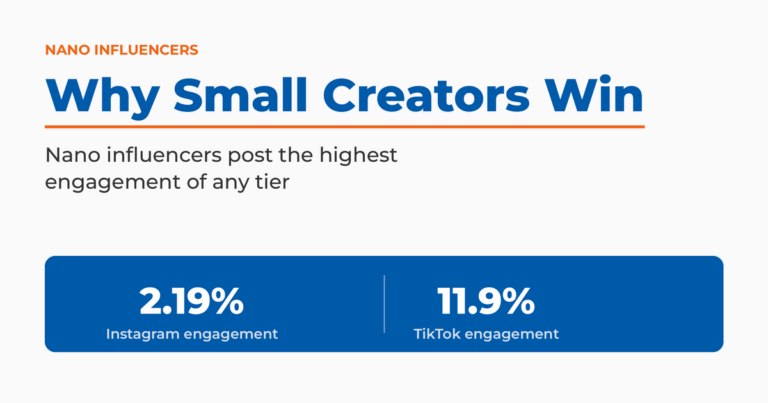
Micro-influencers with highly engaged communities often command higher rates per follower than larger influencers with passive audiences. At the end of the day, brands care more about ROI than reach alone. If you want to benchmark your own numbers, here is how to calculate your engagement rate.
Content Quality
Influencers who create professional-looking, high-quality content are often more desirable to brands. That means sharp visuals, creative storytelling, and content that aligns with a brand’s aesthetic. If a brand can repurpose your content across their own marketing channels, you’ve just increased your value, and can often charge more for content usage rights.
Also, the type of content matters. Long-form YouTube videos, for example, require more effort than a single Instagram post and are often priced accordingly.
Niche and Industry
Niches are not all equal in how well they monetize. Influencers in certain industries, like beauty, fashion, fitness, tech, business, or personal finance, often command higher rates because those sectors are so profitable.
For example, a finance influencer helping followers make or save money often delivers a high ROI for brands and can charge accordingly. A meme account, by contrast, might have massive reach but fewer monetization options unless the audience is extremely targeted.
Platform
Each platform has its own monetization dynamics. YouTube and TikTok, for example, offer built-in creator funds and ad revenue programs, while Instagram relies more heavily on brand deals and affiliate marketing.
Some platforms are better suited for evergreen content (like YouTube or a blog), which can continue earning revenue long after it’s published. Others, like Instagram Stories or TikTok, are more ephemeral but offer greater potential for real-time engagement.
The key is knowing how to play to the strengths of the platform(s) you’re most active on, and monetizing accordingly.
Audience Demographics
Brands also consider who an influencer’s audience is. Factors like age, location, gender, language, income level, and interests can make an audience more or less valuable depending on the campaign objectives.
An influencer with a small but highly targeted audience, like decision-makers in B2B, affluent parents, or Gen Z trendsetters, can often charge more than someone with a larger but less defined following.
Brand Alignment and Past Performance
Influencers who’ve successfully worked with brands before (and have the case studies or metrics to prove it) tend to attract higher-quality and higher-paying partnerships over time. Brands want to see a proven ability to drive clicks, conversions, or sales, not just pretty pictures.
Likewise, the more aligned your brand is with a potential partner, the more natural and successful a collaboration will likely be. That alignment often results in repeat partnerships, longer-term deals, and better rates.
Negotiation and Business Savvy
Let’s not overlook one final factor: the influencer’s own negotiation skills and business mindset. The truth is, many influencers undercharge simply because they don’t know what their work is worth, or because they’re afraid to ask.
Influencers who treat their work like a business, understand their value, and are willing to negotiate often earn significantly more, even with the same audience size and metrics as their peers.
So follower count might get you noticed, but it’s just one piece of a much larger puzzle. The influencers who earn the most in 2026 are those who combine a strong personal brand with high engagement, quality content, niche authority, and a diversified income model. And of course, they know how to advocate for their worth.
Real Examples: How Much Top Influencers Make
Real influencer earnings run across an enormous range, from a few dollars a post to millions a year. The figures below come from publicly available data, surveys, and creator disclosures reported by platforms like Hopper HQ, Influencer Marketing Hub, Statista, and the creators themselves. They show how wide the spectrum really is, from nano-influencers to celebrity-level creators.
Below is a snapshot of how much influencers can earn based on their follower count and platform, compiling the previous information with other data:
| Follower Count | Instagram (avg/post) | TikTok (avg/post) | YouTube (avg/month from ads) | Notes |
|---|---|---|---|---|
| 1,000 – 10,000 | $50 – $250 | $25 – $200 | <$100 | High engagement can raise rates significantly |
| 10,000 – 100,000 | $250 – $1,000 | $100 – $1,000 | $100 – $1,000+ | Often the sweet spot for niche authority |
| 100,000 – 500,000 | $1,000 – $5,000 | $500 – $5,000 | $1,000 – $5,000+ | Macro-influencers often have strong brand demand |
| 500,000 – 1 million | $5,000 – $15,000 | $3,000 – $10,000 | $5,000 – $15,000+ | Content usage rights often negotiated separately |
| 1 million+ | $15,000 – $100,000+ | $10,000 – $50,000+ | $10,000 – $100,000+ | At this level, influencers often diversify income heavily |
As you can see, influencer income is not one-size-fits-all. It’s shaped by platform, audience quality, content strategy, and monetization mix.
Examples of High-Earning Influencers by Platform
Let’s highlight a few examples across different platforms to show how this plays out in practice.
Instagram: Cristiano Ronaldo
At the top of the Instagram food chain, Cristiano Ronaldo earns an estimated $3.4 million per sponsored post. Of course, he’s in a league of his own, but his brand partnerships with Nike, Herbalife, and Louis Vuitton show what’s possible at scale.
TikTok: Charli D’Amelio
Charli built her following through viral dance content and now reportedly earns over $17 million per year through brand deals, her own clothing line, and licensing. She’s worked with Dunkin’, Prada, and EOS, among others. She earns an estimated $150,000+ per post.
YouTube: MrBeast (Jimmy Donaldson)
MrBeast has redefined YouTube monetization, reportedly earning a whopping $700 million per year. While much of his income comes from ad revenue and brand deals, he’s also monetizing through merch, Feastables, and Beast Burger.
Mid-Tier Example: Vanessa Lau (Instagram + YouTube)
Vanessa Lau, a business coach and content creator, built her brand helping others grow on Instagram and YouTube. She has made a name for herself through her BOSSGRAM Academy course, affiliate income, and consulting, despite having under 1 million followers. In fact, her BOSSGRAM Academy generated over $500,000 in its first year selling digital products.
Micro-Influencer Example: Sydney Grace
With just under 25,000 followers on TikTok, Sydney Grace earns income through a variety of sources including her Amazon storefront, sponsored brand deals, UGC content partnerships, affiliate marketing, the TikTok Creator Rewards Program, TikTok Shop, Lemon 8, and her travel business. In a video breaking down her July income, she details how much she makes from each revenue stream, including $10,000+ alone from her Amazon storefront selling over $300,000 worth of products on Amazon from which she earned her commission. Her story proves you don’t need millions of followers to generate a full-time income as a creator.
B2B Example: Justin Welsh (LinkedIn + X)
Justin turned his niche expertise into a seven-figure solopreneur business through thought leadership on LinkedIn and X. Most of his income comes not from brand deals, but from digital products, paid newsletters, and courses, showing that influence isn’t limited to traditional social media.
Takeaway
There’s no “standard salary” for influencers. But there is a system. The most successful creators treat their content like a business. They diversify income streams, align with brands strategically, and use their platforms to build long-term assets. If you’re just getting started, how to become an influencer lays out the path.
Whether you’re a brand deciding how much to pay an influencer or a creator trying to grow your income, the key is to look beyond follower count. Focus on engagement, content value, niche alignment, and how the influencer fits into your larger marketing or career goals.
What This Means for Influencers and Brands
Influencer earnings in 2026 are diverse and constantly shifting, and there is no single number that fits everyone. What an influencer makes depends on a mix of factors. Some you control, like content quality and which income streams you build. Others, like platform payouts and market demand, you mostly have to work around.
Still, there are a few clear patterns worth highlighting, whether you’re a content creator trying to grow your income or a brand looking to make smarter influencer marketing decisions.
For Influencers:
- Focus on Engagement, Not Just Followers: The brands that pay well don’t just want reach, they want results. A smaller, more engaged community will almost always outperform a large, passive audience. If you’re not getting the kinds of brand deals you want, audit your engagement rate and make improving that a top priority.
- Diversify Your Revenue Streams: The most successful creators in 2026 go well beyond sponsored posts. They tap into affiliate marketing, sell digital products, offer subscriptions or courses, and build long-term business models around their influence. Relying solely on brand partnerships makes you vulnerable, while multiple income streams give you stability and scale.
- Invest in Content Quality and Consistency: As platforms become more saturated, quality matters more than ever. Whether you’re on Instagram, TikTok, YouTube, or LinkedIn, creating content that stands out visually, tells a compelling story, and offers genuine value is what attracts both followers and brand partnerships.
- Understand Your Platform’s Monetization Tools: From TikTok’s Creator Rewards Program to Instagram Subscriptions to YouTube Shorts bonuses, most platforms now offer built-in monetization options. Know what’s available and use them as part of your overall strategy, even if they only represent a small portion of your income.
For Brands:
- Look Beyond the Follower Count: It’s tempting to assume that bigger means better, but high engagement and content relevance often lead to stronger ROI than sheer reach. Micro- and mid-tier influencers can be some of the best investments if you’re measuring actual impact.
- Prioritize Fit and Authenticity: The best influencer partnerships are rooted in alignment. Does the influencer actually use your product? Do they speak to your ideal audience? Can they tell a story that resonates beyond a transactional post? Those are the questions that lead to real brand lift.
- Think Long-Term: Rather than chasing one-off marketing campaigns, consider building longer-term relationships with influencers who truly represent your brand. Ambassadorships, ongoing brand collaborations, and co-branded product launches often yield better performance, and stronger brand loyalty, over time. A clear influencer marketing strategy makes those relationships easier to plan and measure.
- Track the Right Metrics: Likes and views are nice, but what really matters is how an influencer drives results for your business. Are they generating clicks? Sales? Awareness with your exact customer demographic? Build clear expectations, track performance, and be transparent with your partners about what success looks like.
Ultimately, the influencer economy in 2026 rewards influence that drives action, not just social media fame. And whether you’re a creator or a brand, the biggest wins come when purpose, value, and community all connect to a real business goal.
Frequently Asked Questions About Influencer Earnings
Influencer earnings scale with follower tier. As a benchmark, nano-influencers (1K-10K followers) typically earn $10-$100 per post, micro-influencers (10K-100K) earn $100-$1,000, macro-influencers (100K-1M) earn $1,000-$10,000, and mega-influencers with more than 1 million followers can command $10,000-$100,000 or more, depending on engagement, niche, and platform.
Sponsored posts are only the start. Successful influencers build as many as nine income streams: sponsored content, affiliate marketing, digital products, subscriptions and memberships, physical product lines, paid appearances, ad revenue, consulting and coaching, and content licensing or UGC work. Diversifying across several of these creates a far more stable creator business than brand deals alone.
Sponsored TikTok videos typically pay nano-influencers $5-$50, micro-influencers $50-$1,200, and macro-level creators $5,000-$10,000 or more per video. Creators who qualify for the Creator Rewards Program can also earn roughly $4-$8 per 1,000 views, and TikTok Live gifts add income that varies with audience activity.
At the very top, the numbers get staggering. Cristiano Ronaldo earns an estimated $3.4 million per sponsored Instagram post. Charli D’Amelio reportedly earns over $17 million per year across brand deals and her own product lines, and MrBeast reportedly brings in around $700 million per year from ad revenue, brand deals, and his own consumer brands.
No. Brands increasingly pay for engagement and niche authority rather than raw reach, and micro-influencers with engaged communities often out-earn larger accounts per follower. One example from this post: a TikTok micro-influencer with roughly 24,000 followers earned more than $10,000 in a single month from her Amazon storefront alone.
Conclusion
Influencer marketing has come a long way from the early days of free product exchanges and vanity metrics. Today, being an influencer is a legitimate career path, one that can be both creatively fulfilling and financially rewarding if approached strategically.
So, how much do influencers make in 2026? The truth is: it depends. Income varies widely based on platform, niche, content quality, engagement, and business acumen. But the opportunity is real, and growing.
Whether you’re a brand wondering how to price influencer partnerships or a creator trying to monetize your following, remember this: true influence comes down to trust, the ability to inspire action, and a willingness to treat your audience like a community rather than a number.
If you want to go deeper on the money side, how influencers make money lays out every income stream in detail. And if you’d like help building a coordinated influencer strategy alongside your other digital channels, grab a free preview of The Age of Influence, my definitive book on influencer marketing.